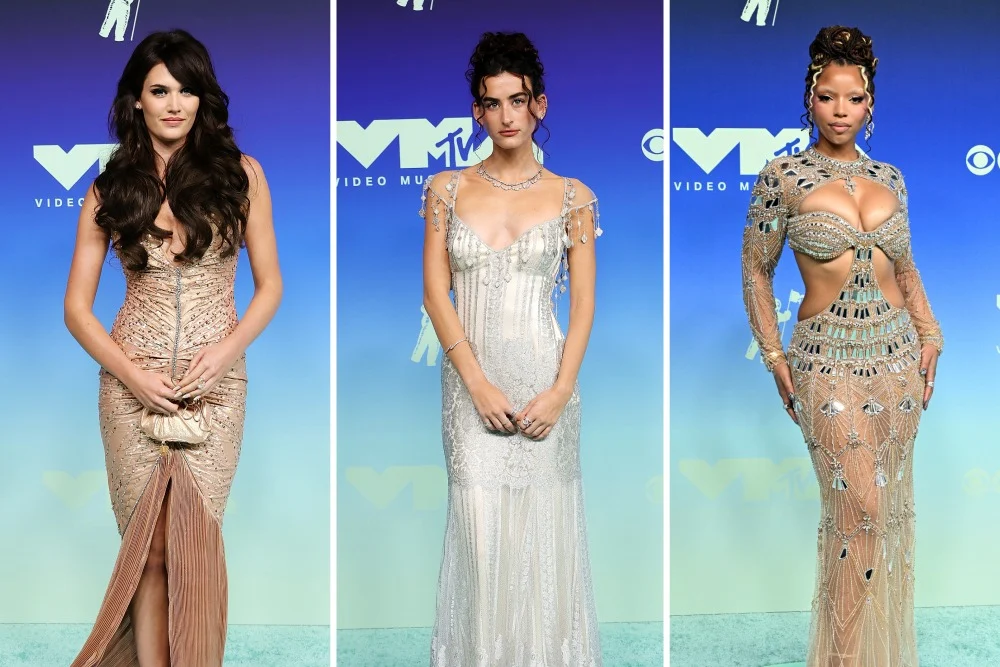
The entertainment industry’s elite have descended upon downtown Los Angeles as the 2026 MTV Video Music Awards officially kick off at the Peacock Theater. Marking a triumphant return to the entertainment capital for the first time since 2017, this year’s ceremony has positioned itself as one of the most anticipated nights in modern pop culture history. With a star-studded lineup helmed by master of ceremonies Snoop Dogg, the 2026 VMAs blend high-octane contemporary pop culture with monumental retrospective honors, drawing global attention to the intersection of music, cinematic storytelling, and live performance art.
The evening’s broadcast, airing live across multiple platforms, promises a dynamic program featuring landmark returns, high-profile television debuts, and career-defining accolades. From Madonna’s first VMAs stage appearance in over two decades to a wave of major category contenders, the 2026 ceremony has expanded its cultural footprint by celebrating both veteran icons and the vanguard of contemporary music.

Main Facts and Major Highlights of the Evening
At the epicenter of tonight’s cultural conversation is Taylor Swift, whose multifaceted presence at the Peacock Theater commands the evening. Swift is not only treating a global audience to the world-premiere screening of her cinematic music video for “Patient Zero”—a project that has generated intense speculation across fan communities and industry trades alike—but she is also slated to receive the inaugural Artist-Director Award. This newly minted accolade recognizes her hands-on creative vision and auteur-driven approach to music video direction, further cementing her influence on visual storytelling in the streaming era.
Simultaneously, the night serves as a historic milestone for alternative rock royalty. Nirvana is officially slated to receive the prestigious Michael Jackson Video Vanguard Award. This honor arrives exactly 34 years after the band’s infamous and chaotic performance at the 1992 VMAs, bridging generations of rock music fans and acknowledging the enduring legacy of grunge culture on contemporary visual media.

Performance-wise, the roster is densely packed with both established hitmakers and breakthrough debutants. Pop superstar LISA is set to deliver the first-ever television performance of her heavily anticipated single, “SaWaDiKa.” Meanwhile, country-pop innovator Shaboozey will command the stage with a rendition of his hit “Cowgirl,” before being joined by collaborator Gunna for the television debut of their chart-climbing track, “High Noon.” Further expanding the genre-bending scope of the evening, underground electronic and rap scenes will be represented by GENER8ION and Yung Lean, who are set to premiere their collaborative track “STORM II” live on the VMAs stage.
Chronology and Evolution of the VMAs in Los Angeles
The decision by Paramount and MTV executives to bring the Video Music Awards back to Los Angeles for the 2026 broadcast marks a significant homecoming. When the show was last hosted in the city in 2017, the landscape of music videos was defined by a different era of streaming dominance, pre-pandemic touring schedules, and traditional promotional cycles. Over the subsequent years, the VMAs rotated through various metropolitan hubs, adapting to hybrid formats and digital-first viewer consumption during the early 2020s.

The return to the Peacock Theater underscores a deliberate strategy to anchor the event in the heart of the film and television industry, a fitting backdrop given the increasing convergence between cinematic production values and music video releases. This year’s timeline of events began weeks in advance with nominee announcements, followed by heavy social media engagement campaigns, and culminated in today’s red-carpet arrivals.
The structural flow of tonight’s program has been meticulously mapped out to maximize viewer retention across linear television and digital streaming apps. The opening act sets a high-energy tone, leading directly into major competitive categories, followed by the evening’s emotional centerpieces: the tribute performances.
Tributes and Musical Homages

A defining characteristic of the 2026 VMAs is its deep reverence for musical history, manifested through thoughtfully curated tribute segments honoring titanic figures in popular music.
Kacey Musgraves, marking her triumphant return to the VMAs stage after a five-year hiatus, has been entrusted with headlining a major tribute to the legendary Dolly Parton. Musgraves, who is also competing in the Best Country category this evening for her critically acclaimed track “Dry Spell,” brings her signature organic instrumentation and vocal clarity to honor the country music trailblazer. Industry insiders note that Musgraves’ involvement bridges traditional country roots with the contemporary pop mainstream that the VMAs frequently champion.
In another highly anticipated collaborative moment, RAYE, Sombr, and Teddy Swims are uniting for a soaring, soulful tribute to the late George Michael. The performance aims to showcase Michael’s enduring vocal influence and pop craftsmanship, bringing together three distinct contemporary voices to interpret his timeless catalog.

Supporting Data and Nominee Landscape
The 2026 nominees reflect a diverse commercial and critical landscape. Genre lines continue to blur, with country, K-pop, hip-hop, and indie-pop occupying the same broadcast real estate. Shaboozey’s dual performance slots—showcasing both his solo work and his partnership with Gunna—highlight the ongoing dominance of country-trap crossovers on mainstream charts.
RAYE, who is pulling double duty tonight by performing in the George Michael tribute alongside her own main-stage debut, enters the evening as one of the most critically praised artists of the cycle, riding the momentum of her independent artistic renaissance. Sienna Spiro, another major debutant on tonight’s bill, represents the fresh wave of Gen-Z singer-songwriters transitioning from viral digital platforms to high-profile broadcast stages.

Official Responses and Industry Implications
While formal post-show press conferences are scheduled for later in the evening, initial reactions from music executives, network producers, and talent representatives point to a calculated shift in how live music television must operate to remain relevant in a fragmented media ecosystem.
By integrating high-budget world premieres—such as Swift’s “Patient Zero”—directly into the live broadcast, MTV continues to leverage the unique selling proposition of appointment viewing. In an era where music videos are typically dropped silently onto YouTube or subscription streaming platforms at midnight, the VMAs are successfully repositioning themselves as the ultimate launchpad for high-stakes visual media.

Furthermore, the introduction of the Artist-Director Award signals a broader industry recognition of musicians as visual auteurs. As artists increasingly take creative control over their long-form music videos, concert films, and visual albums, awards bodies are adapting their categories to honor these behind-the-camera contributions rather than strictly performance-based metrics.
Broader Impact and Cultural Resonance
The 2026 MTV Video Music Awards arrive at a critical juncture for the music industry at large. As live touring costs fluctuate and traditional album release strategies evolve, marquee television specials remain one of the few remaining monocultural touchstones capable of capturing a global audience simultaneously.

The inclusion of foundational acts like Nirvana—receiving the Video Vanguard Award over three decades after their breakthrough—alongside global powerhouses like LISA and Taylor Swift, demonstrates a deliberate programming strategy. By honoring the past while heavily investing in the future of music video art, MTV is attempting to secure multi-generational viewership.
As the broadcast unfolds live from the Peacock Theater, the cultural ripples of tonight’s premieres, tributes, and historic wins will undoubtedly dictate conversation across social media platforms, streaming charts, and industry boardrooms for weeks to come. The 2026 VMAs have successfully reinforced the notion that when executed with scale, ambition, and star power, the traditional televised music award show still holds a vital and irreplaceable place in modern entertainment.