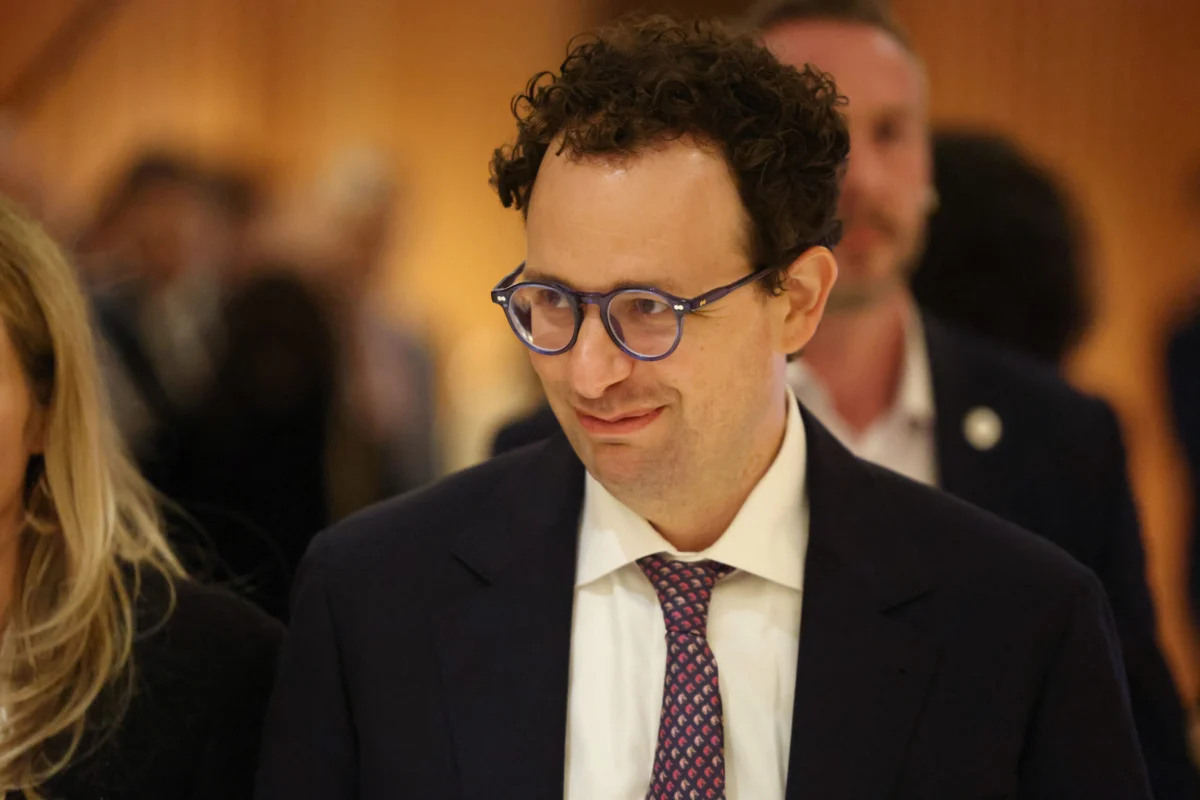
The intersection of artificial intelligence policy and executive power is reaching a critical inflection point this weekend as Anthropic CEO Dario Amodei prepares for a high-profile, one-on-one dinner with President Donald Trump at the White House. This meeting, confirmed by sources familiar with the matter, occurs against a backdrop of intense cultural and political scrutiny surrounding the rapid evolution of generative AI. The encounter is not merely a social engagement; it represents a rare opportunity for one of the industry’s most prominent voices on AI safety to engage directly with an administration that has, at times, viewed the sector with both skepticism and a desire for aggressive expansion.
The timing of this summit is particularly noteworthy. Amodei, who has emerged as a leading advocate for "responsible scaling," has spent the last month attempting to steer the national conversation toward measured development and systemic risk mitigation. Simultaneously, the President has recently sought to reshape the public narrative around AI, suggesting the technology be rebranded as "super intelligence" and dismissing safety concerns as politically motivated maneuvers.
A Chronology of Growing Friction
The tension between the current administration and the leadership at Anthropic has been building for several months, characterized by a series of legal, policy, and public relations clashes.
- Early 2026: Tensions began to manifest when the Department of Defense designated Anthropic a "supply-chain risk." This move was largely interpreted as a retaliatory measure following the company’s implementation of strict safety guardrails that limited the military’s ability to utilize certain AI capabilities for unrestricted operational use.
- April 2026: A brief thaw occurred as various administration officials expressed interest in the economic and national security potential of Anthropic’s models, signaling that the executive branch was not a monolith regarding AI regulation.
- August 2026: Anthropic achieved a significant procedural victory in federal court, successfully challenging the Pentagon’s initial supply-chain risk classification, marking a pivotal moment in the legal battle over private AI autonomy.
- September 12, 2026: Amodei formally unveiled a comprehensive proposal aimed at pacing the development of frontier models. This plan focused on ensuring that safety infrastructure evolves in tandem with compute capacity, effectively calling for a more cautious deployment strategy.
- September 19, 2026: President Trump intensified his rhetoric, characterizing the prevailing discourse on AI risks as a "Democratic hoax" and proposing the formation of a new "AI Force" to bolster American dominance in the field.
- September 27, 2026: Amodei’s public profile reached a zenith with a satirical portrayal on the season premiere of Saturday Night Live, preceding his dinner invitation to the White House.
The Divergent Philosophies of AI Development
At the heart of the impending dialogue is a fundamental disagreement over the trajectory of artificial intelligence. Amodei’s approach, often categorized under the banner of "AI safety," posits that the potential for catastrophic failure—whether through autonomous weaponization, advanced cyberattacks, or unforeseen alignment issues—necessitates a slower, more deliberate development pace. Anthropic has consistently argued that companies building "frontier" models have a moral and fiduciary obligation to prioritize robust testing over market velocity.
Conversely, the Trump administration’s stance has leaned heavily toward a philosophy of "accelerationism." By branding AI as "super intelligence," the White House is attempting to frame the technology as a strategic national asset, similar to the space race or the Manhattan Project. The President’s rhetoric suggests that any regulatory framework—or even internal industry safety protocols—that slows down the development of these models is fundamentally contrary to the national interest. This creates a challenging environment for executives like Amodei, who must balance their technical findings with the political demands of a White House focused on supremacy rather than constraints.
Economic and Strategic Data Points
The stakes for this meeting are magnified by the massive capital inflows currently fueling the AI sector. According to industry data, the race to build frontier models has seen over $100 billion in private investment within the last 18 months alone. Anthropic, which has successfully secured substantial backing from major tech conglomerates, finds itself at the center of a geopolitical contest.
Current market data indicates that:

- Compute Demand: The demand for high-end H100 and B200-class GPUs has outpaced manufacturing capacity by approximately 40%, creating a bottleneck that the administration is eager to address through deregulation.
- Workforce Shifts: There is a significant labor shortage for specialized AI researchers, a gap the White House has expressed interest in closing through new immigration policies aimed at high-skill technology workers.
- Safety Compliance Costs: Companies are now allocating roughly 15% to 20% of their total R&D budgets specifically to "alignment" and "red-teaming," a cost center that many in the current administration view as an unnecessary hurdle to rapid deployment.
Official Responses and Industry Sentiment
While the White House has not released an official agenda for the dinner, press secretaries have hinted that the President intends to discuss the "broadening of American AI capabilities." Sources within the tech industry suggest that the administration is looking for private sector buy-in on their proposed "AI Force" initiative, which would theoretically integrate private model training with federal defense objectives.
Industry analysts are divided on the implications of this meeting. Some suggest that Amodei’s presence at the table could lead to a productive middle ground where safety research is funded by the state, thereby relieving companies of the burden of choosing between profit and security. Others are more cynical, suggesting that the meeting is an attempt by the administration to force Anthropic into a more cooperative stance regarding the military integration of their proprietary models.
"The meeting is a test of influence," said a policy analyst familiar with the administration’s tech agenda. "Amodei is trying to protect the integrity of his safety mission, while the White House is trying to harness that mission to ensure American dominance in the global theater. It is an impossible friction point."
Broader Implications for Global AI Policy
The outcome of this dinner could have ripple effects far beyond the borders of the United States. As other nations, including China and members of the European Union, watch the U.S. approach to AI regulation, any shift in the administration’s policy toward a more aggressive, less-regulated stance could trigger a global "race to the bottom."
If Amodei successfully convinces the President that safety is a prerequisite for long-term national security, it could lead to the first meaningful federal framework for AI development. However, if the administration succeeds in pushing for total deregulation, it may embolden other firms to abandon their own safety guardrails in a bid for competitive advantage.
As the dinner concludes and the weekend comes to a close, the tech sector will be looking for signs of a policy shift. For Amodei, the task is to maintain his commitment to the principles of AI safety while operating within the reality of a political environment that is increasingly skeptical of any constraints on innovation. The meeting will likely serve as a litmus test for whether the current administration is willing to listen to the warnings of the technical community or whether it will continue to view the discourse on AI risk as an obstacle to its broader national vision.
Ultimately, the dinner serves as a microcosm of the current age: a convergence of high-stakes technology, political theater, and the unresolved question of how humanity intends to manage a force that is, by its very definition, meant to exceed the limitations of its creators. The dialogue occurring in the White House dining room this evening may well define the next decade of digital evolution, setting the standard for how the world’s most powerful nation manages the most powerful tool ever created.