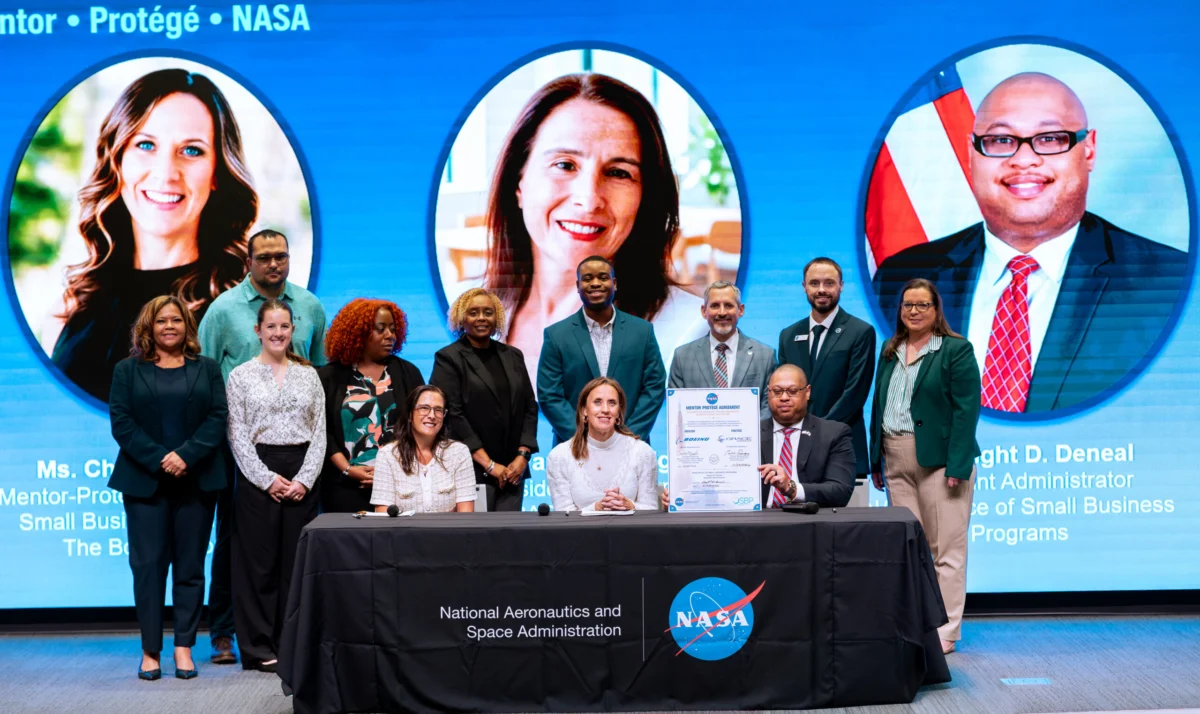
In a significant move to modernize its procurement and supply chain strategy, NASA has unveiled a comprehensive restructuring of its Small Business Supplier Development Program. This initiative, designed to fortify the domestic aerospace industrial base, coincides with a new, high-stakes Mentor-Protégé Agreement between aerospace giant The Boeing Company and the specialized manufacturer GRACE Aerospace. By streamlining bureaucratic processes and aligning supplier capabilities more precisely with the agency’s long-term exploration goals, NASA aims to secure the technological resilience required for ambitious missions to the Moon, Mars, and beyond.
Evolution of the Small Business Supplier Development Program
The transformation of the Small Business Supplier Development Program represents a fundamental shift in how the agency engages with the private sector. Historically, government procurement processes have been criticized for being overly burdensome, often discouraging smaller, highly innovative firms from competing for contracts. To address this, NASA’s Office of Small Business Programs (OSBP) has implemented a series of strategic improvements aimed at reducing administrative friction.
These updates include the acceleration of review and approval timelines for Mentor-Protégé agreements, a reduction in the volume of required documentation, and the introduction of enhanced incentives for prime contractors—such as Boeing—to actively foster the development of their smaller counterparts. By lowering the barrier to entry, NASA is not merely increasing the number of participants but is actively curating a supplier ecosystem that is better suited to meet the high-precision demands of modern aerospace engineering.
Dwight Deneal, assistant administrator of the Office of Small Business Programs at NASA Headquarters, described the program’s redesign as a mission-focused instrument. "We have intentionally redesigned the program as a mission-focused tool for strengthening industrial base readiness and mission success," Deneal stated. "By simplifying participation and focusing developmental assistance on the capabilities NASA needs most, we are helping build a stronger, more resilient supplier base that can support the agency’s highest-priority missions."
The Boeing-GRACE Aerospace Partnership
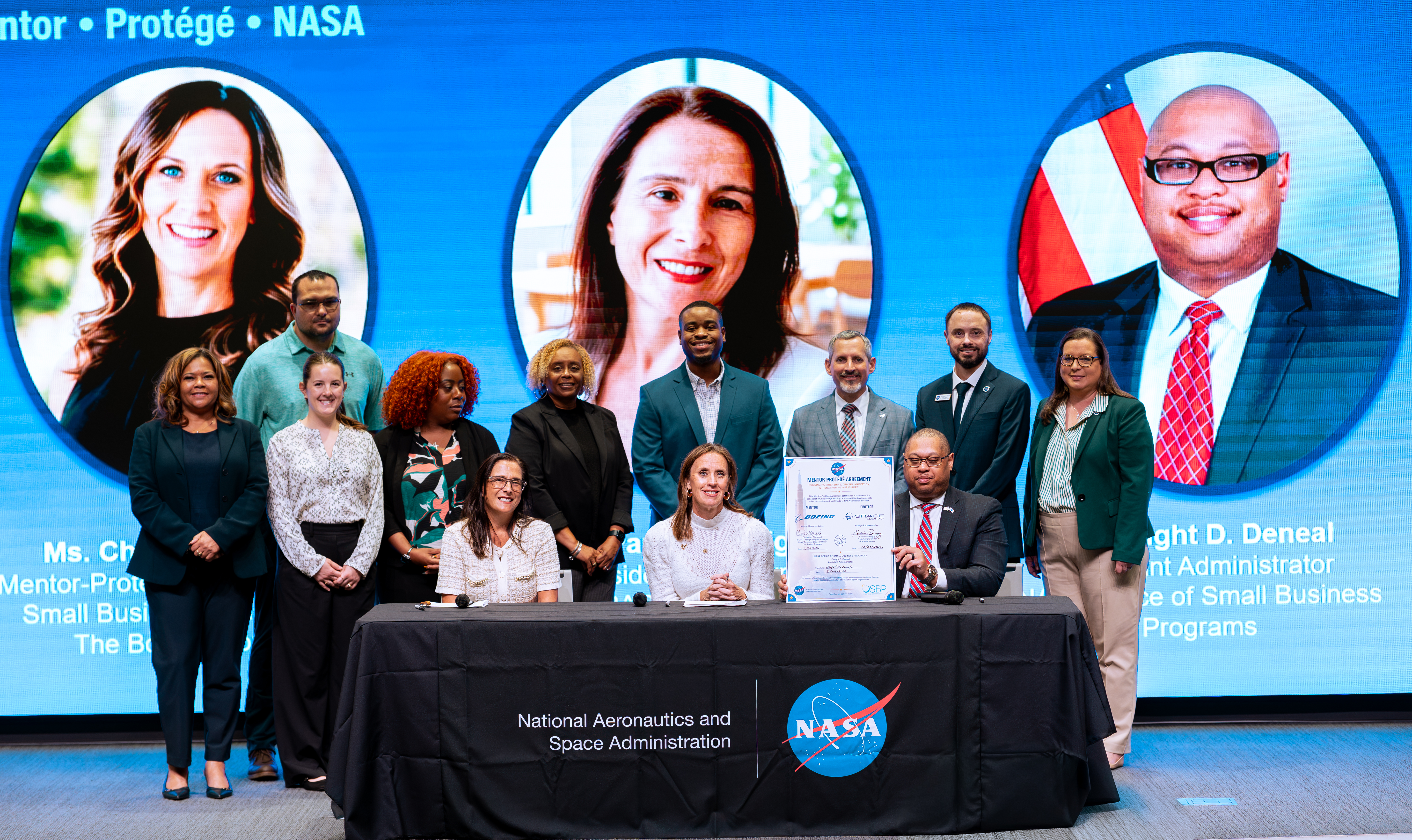
The inaugural test of this newly streamlined framework is the agreement between Boeing and GRACE Aerospace. Under the terms of this deal, which is valued at approximately $500,000, Boeing will provide structured technical and business mentorship to GRACE. The funding is intended to facilitate the expansion of GRACE’s manufacturing capabilities, particularly in the production of mission-critical aerospace hardware.
GRACE Aerospace, which has built a reputation over two decades by serving defense and aerospace clients, is poised to use this influx of resources and mentorship to scale its operations. The partnership is expected to provide GRACE with the insights necessary to manage the complexities of next-generation spaceflight programs, which require stringent quality control, advanced materials expertise, and the ability to operate under tight mission-critical timelines.
Christian Diamond, who serves as the Mentor-Protégé Program manager and small business liaison officer for Boeing, emphasized the strategic importance of this collaboration. "Boeing is proud to continue its longstanding relationship with NASA in support of its mission and the opportunities this agreement creates for Boeing, GRACE, and the broader aerospace industrial base," said Diamond. "Through this partnership, Boeing looks forward to sharing our expertise to support the continued growth and long-term success of a small business while strengthening our supplier base."
For GRACE Aerospace, the agreement is a validation of its technical pedigree. Pauline Sevigny, president and owner of the company, expressed the firm’s commitment to the goals of the program. "GRACE Aerospace is thankful and honored to participate in the program," Sevigny noted. "We look forward to growing and learning from industry experts and supporting the mission of resilience and space superiority."
Historical Context and Industrial Base Readiness
NASA’s pivot toward a more agile supplier program arrives at a critical juncture in the aerospace industry. The shift toward a commercialized space economy, characterized by the Artemis program and the increasing reliance on private-sector partners, has created a surging demand for specialized components. In the past, the "industrial base" was often viewed as a static entity; today, it is recognized as a dynamic system that must be continuously cultivated.
The Mentor-Protégé Program itself has a rich history within the federal government, originally designed to encourage prime contractors to assist small disadvantaged businesses in developing their technical and business capabilities. However, in the context of space exploration, the requirements are vastly different than in traditional military procurement. The stakes for mission failure are astronomically high, necessitating a level of rigorous oversight that can be difficult for small firms to navigate without institutional guidance.
By formalizing this mentorship model, NASA is essentially outsourcing the "nurturing" of the next generation of suppliers to its most experienced prime contractors. This allows NASA to maintain its high standards while fostering competition and innovation, preventing a "single-source" dependency that can drive up costs and create supply chain vulnerabilities.
Strategic Implications for the Aerospace Sector
The implications of these changes are far-reaching. By incentivizing prime contractors to mentor small businesses, NASA is effectively shortening the supply chain and ensuring that the knowledge transfer—the "know-how" of building reliable space hardware—is disseminated throughout the industry.
- Supply Chain Resilience: A diversified supplier base is less prone to the shocks of global market fluctuations or geopolitical instability. If a small but vital manufacturer is strengthened by a mentor, it ensures that NASA has multiple options for sourcing critical components.
- Economic Growth: Small businesses are the primary engines of innovation. By providing them with access to the capital and technical mentorship of industry titans, NASA is helping to stimulate growth within the U.S. manufacturing sector.
- Technological Acceleration: Many of the most innovative solutions in aerospace come from small teams. By removing the administrative "red tape" that often stifles these teams, NASA can bring new technologies to market at a faster rate.
- Cost Efficiency: While the immediate cost of the Mentor-Protégé program involves funding, the long-term benefit is a more competitive market. A robust supplier base encourages price competition among vendors, which ultimately saves taxpayer dollars over the life of multi-year exploration programs.
Analysis of Current Market Dynamics
Market analysts suggest that the aerospace sector is currently experiencing a "bottleneck" effect. As NASA and the Department of Defense ramp up requirements for space superiority and deep-space exploration, the demand for specialized hardware—such as high-precision valves, radiation-hardened electronics, and specialized alloys—has outpaced the capacity of existing suppliers.
The decision to focus the new program on "mission-focused tool for strengthening industrial base readiness" indicates that NASA is identifying these bottlenecks in real-time. By selecting partners like GRACE Aerospace, NASA is signaling that it is not looking for generalists, but for niche experts who can be upscaled to meet the rigorous safety and performance standards of spaceflight.
The financial incentive structure for prime contractors is also a notable development. By making it more attractive for companies like Boeing to act as mentors, NASA is ensuring that the cost of mentorship is not viewed as a burden, but as a strategic investment in their own future supply chain.
Looking Ahead: The Future of the Program
The collaboration between Boeing and GRACE is expected to serve as a blueprint for future agreements. As NASA continues to refine its administrative processes, it is likely that the agency will release more data regarding the performance metrics of mentored firms. Key performance indicators will likely include the ability of these firms to secure additional prime contracts, the reduction in production lead times for specific components, and the overall improvement in quality assurance metrics for the hardware delivered.
As of late 2026, the Office of Small Business Programs has signaled its intention to expand the reach of these initiatives to include a broader array of small business classifications, including veteran-owned, women-owned, and service-disabled veteran-owned small businesses. This expansion is designed to ensure that the industrial base is not only technologically capable but also reflective of the diverse talent pool within the United States.
For stakeholders and prospective suppliers, the path forward is clear: the integration of small businesses into the aerospace mainstream is no longer an optional component of NASA’s mission; it is a structural necessity. Through programs like the Small Business Supplier Development Program, the agency is ensuring that as it reaches for the stars, it does so with a foundation that is as robust, diverse, and innovative as the challenges it intends to overcome.
For those interested in the ongoing developments of this initiative, NASA continues to provide updates, application guidelines, and success stories via their official portal. The evolution of this program remains a key metric for gauging the long-term health and adaptability of the American aerospace sector in an era of renewed competition and unprecedented exploration.