The Hillsdale Estate: Architectural Heritage and Modern Luxury
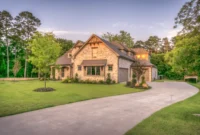
The featured property in Hillsdale, New York, currently listed for $3,350,000, serves as a primary example of high-end mid-century modern preservation. This four-bedroom, four-bathroom residence underwent a comprehensive renovation in 2016, which integrated contemporary infrastructure—such as central air conditioning and radiant heating—without compromising the aesthetic integrity of the original structure. The architectural language of the home is defined by clean lines, vaulted ceilings, and an emphasis on the "indoor-outdoor" living philosophy popularized during the mid-20th century.
The main living area is characterized by warm wood finishes and sliding glass doors that provide seamless access to a stone patio, effectively doubling the entertaining space during warmer months. Beyond the primary residence, the property includes a guest house, a swimming pond equipped with a private dock, and grounds described as having "arboretum quality." Perhaps the most notable historical detail is the front gate, which was designed by the legendary architect Frank Lloyd Wright, adding a layer of significant provenance to the estate. For the creative professional, the inclusion of a dedicated artist’s studio featuring an on-site sauna further elevates the property’s status from a mere residence to a lifestyle compound.
Rhinebeck’s Gilded Age Relic: A High-Stakes Restoration
In stark contrast to the turnkey luxury of Hillsdale, a listing in Rhinebeck offers a glimpse into the complexities of historical preservation. Priced at $525,000, the three-bedroom cottage at 7 Ferncliff Drive is a remnant of the Gilded Age. Built in 1854, the structure originally served as the residence for the chauffeur to John Jacob Astor IV, one of the wealthiest men in the world at the time and a victim of the Titanic disaster.
The property is currently in a state described by the listing agent as "poetic though significant deterioration." While the interior requires a complete overhaul due to years of vacancy, the architectural "bones" remain—including original hardwoods, delicate moldings, and vintage wallpaper. However, potential buyers face more than just a renovation challenge; the sale is contingent upon the approval of the New York State Supreme Court or the Attorney General. This legal requirement often occurs when a property is held by a non-profit entity or a complex estate trust, adding a layer of bureaucratic scrutiny to the transaction. Despite these hurdles, the proximity to the Rhinecliff train station makes it a highly desirable prospect for those with the capital and patience for a historic restoration.
Sustainable Innovation in Glenford: The Rise of the Passive House
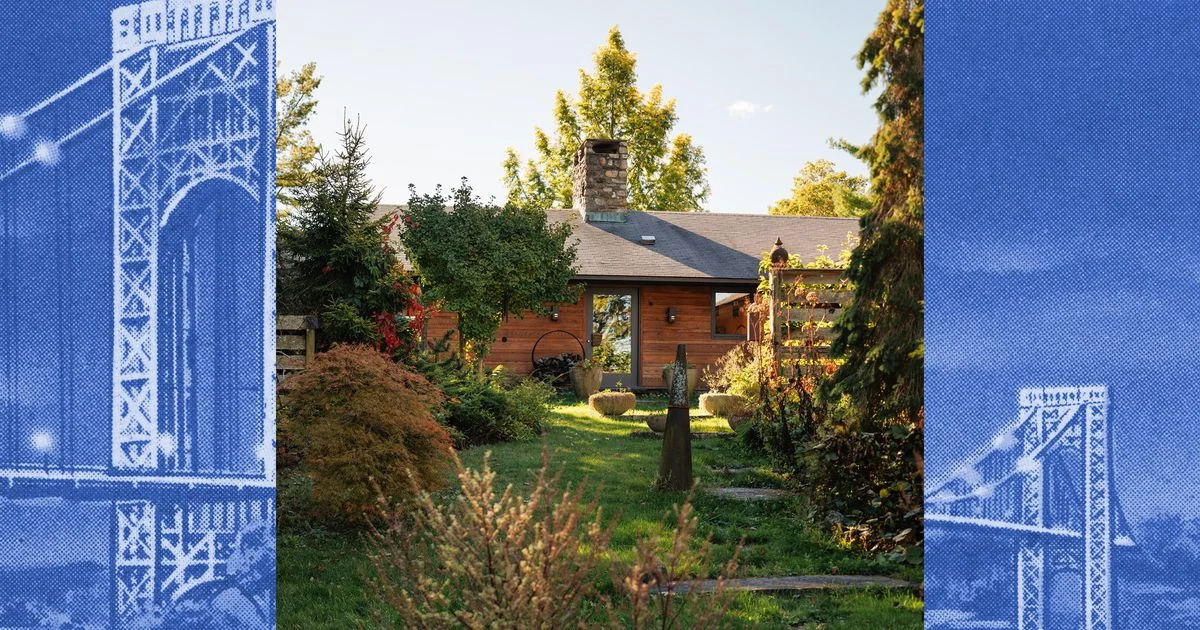
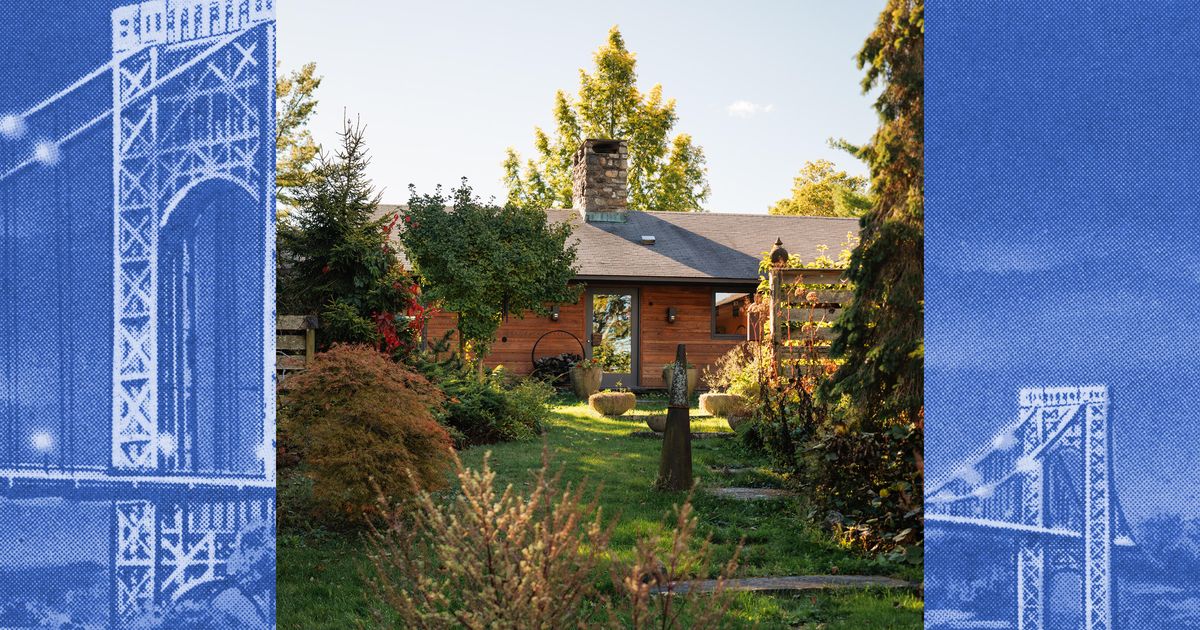
The Glenford market is currently showcasing the evolution of eco-conscious architecture with an all-electric modern house listed for $2,499,000. Designed by the New York City-based Amin Tadj Studio, the residence is built to "near-Passive House" standards. This architectural approach prioritizes energy efficiency through high-quality insulation, triple-pane European windows, and a solar-ready infrastructure.
The home is clad in Lunawood—a thermally modified timber from Finland—and features a minimalist interior with Reform CPH custom cabinetry and a Stuv wood-burning stove. While the median home price in Glenford remains approximately $430,000, the premium on this property reflects both its architectural pedigree and its long-term economic benefits. As energy costs continue to fluctuate, high-performance homes are increasingly viewed as stable investments. The 2.2-acre lot includes a pool and stone walkways, though the listing notes that the grounds currently resemble a construction site, offering the next owner a "blank canvas" for professional landscaping.
New Paltz: The "Brooklynization" of the Hudson Valley
In New Paltz, a renovated 1800s Colonial listed at $975,000 highlights the town’s growing reputation as a preferred destination for former Brooklyn residents. This two-bedroom, two-bathroom home balances historic charm—seen in its wide-plank floors and exposed rafters—with modern recreational amenities. The centerpiece of the property is a gunite pool and stone patio, complemented by a cabana and a pool house equipped with a kitchenette and grill.
Market analysts have noted a specific demographic shift in New Paltz, where young families from New York City’s outer boroughs are relocating to take advantage of the proximity to the Mohonk Preserve and the town’s vibrant cultural scene. The inclusion of a "whole house generator" in the listing underscores a practical reality of upstate living: the need for self-sufficiency in the face of increasingly frequent extreme weather events.
Regional Market Chronology and Context
The trajectory of these four listings reflects a broader timeline of Hudson Valley real estate development over the last decade:

- Pre-2020: The region was primarily a market for secondary "weekend" homes, with prices remaining relatively stable and inventory levels high.
- 2020-2022: The COVID-19 pandemic triggered an unprecedented exodus from New York City. Inventory plummeted as buyers engaged in bidding wars, often purchasing properties sight-unseen.
- 2023-Present: The market has entered a "new normal." While the frantic pace of the pandemic era has cooled, prices have not regressed to pre-2020 levels. Instead, the market has bifurcated into ultra-luxury turnkey estates and high-potential "fixer-uppers" for those priced out of the top tier.
Supporting Data: Economic Implications of the Upstate Shift
Data from the New York State Association of Realtors (NYSAR) indicates that while closed sales have seen a slight decrease due to high interest rates, the median sales price in counties like Ulster and Columbia has remained resilient. In Columbia County, where Hillsdale is located, the luxury segment (homes over $1 million) has seen consistent demand from cash buyers, insulating this specific market from the volatility of mortgage rate hikes.
Furthermore, the economic impact of this migration extends beyond real estate. The influx of high-net-worth individuals has spurred a "boutique economy" in the Hudson Valley. Local businesses, such as the Martindale Chief Diner in Hillsdale or Silvia in Woodstock (near Glenford), have seen increased patronage, while specialty retailers like Rock and Snow in New Paltz have become hubs for the region’s growing outdoor-recreation industry.
Broader Impact and Future Outlook
The current state of the metro-adjacent market suggests a permanent change in how New Yorkers view the concept of "commuting distance." With hybrid work models now standard for many creative and tech professionals, a two-to-three-hour distance from Manhattan is no longer a barrier to primary residency.
However, this "Brooklynization" of the Hudson Valley brings significant challenges. The disparity between the median local income and the prices of new listings—exemplified by the $2.5 million Glenford passive house in a town with a $430,000 median—raises concerns regarding housing affordability for long-term residents. The legal complexities of the Rhinebeck listing also highlight the tension between preserving the region’s historical character and the pressure to modernize and develop.
As the market moves into the summer months, the focus is expected to remain on properties that offer a sanctuary from urban density. Whether through the historic preservation of an Astor-related cottage or the high-tech sustainability of a modern passive house, the real estate market north of New York City continues to serve as a laboratory for new ways of living in the 21st century. The demand for architectural significance, combined with the timeless appeal of a private pool and an artist’s studio, ensures that the Hudson Valley will remain one of the most watched real estate sectors in the United States.