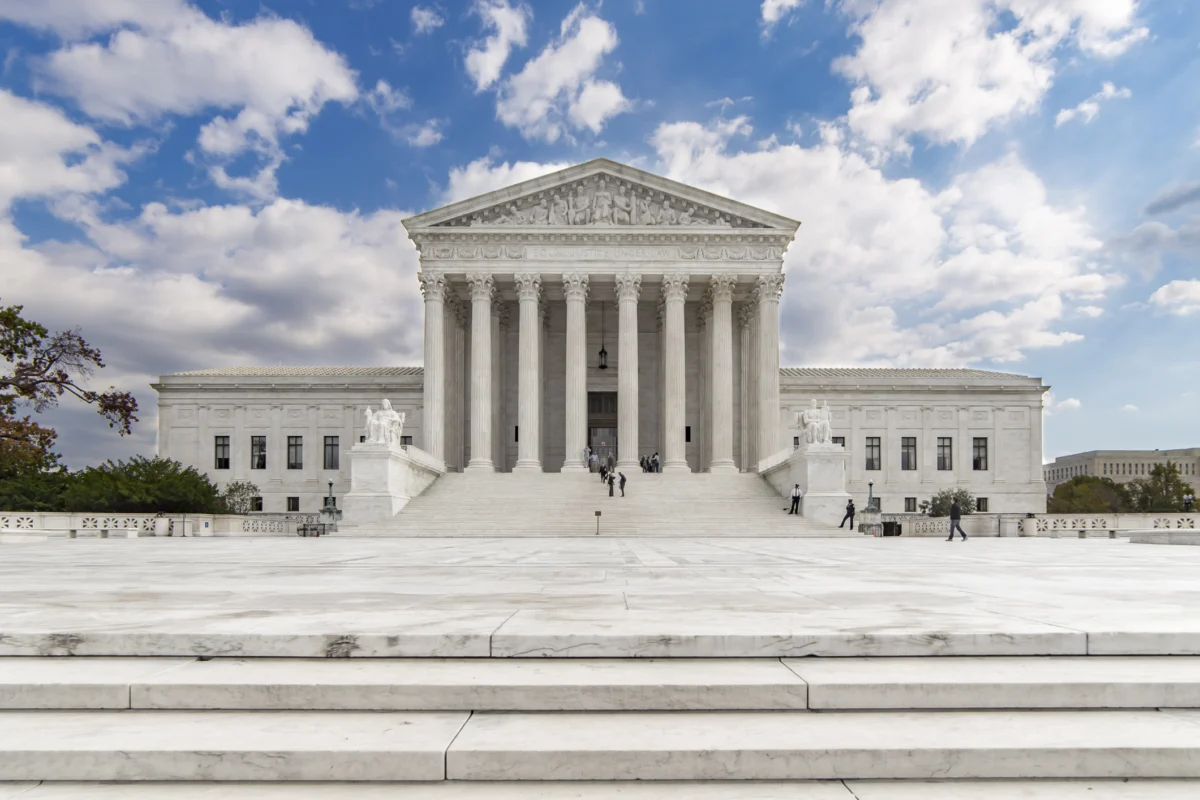
Nicholas Moore, a Tennessee man who admitted to a series of unauthorized computer intrusions, including breaches of the U.S. Supreme Court’s electronic document filing system, AmeriCorps, and the Department of Veterans Affairs, has been sentenced to one year of probation. The sentencing, handed down on Friday, marks the culmination of a case that raised significant concerns about the security of sensitive government data and the methods employed by individuals to gain unauthorized access. While Moore faced potential imprisonment and substantial fines, prosecutors ultimately recommended probation, a decision that underscores the complexities of cybersecurity offenses and the rehabilitative potential of defendants.
The Scope of the Breaches: Targeting Critical Government Systems
The case against Nicholas Moore encompassed multiple high-profile government entities, highlighting a pattern of sophisticated and persistent hacking activity. The most prominent of these was the U.S. Supreme Court’s electronic document filing system. This system is crucial for the administration of justice, housing sensitive legal filings, case documents, and potentially personal information related to ongoing litigation. The unauthorized access to such a system by an individual with no official authorization raised alarm bells regarding the integrity and confidentiality of the Court’s operations.
Beyond the Supreme Court, Moore also infiltrated the network of AmeriCorps. This federal agency is responsible for coordinating and managing national service programs, including stipends and volunteer opportunities for millions of Americans. A breach of AmeriCorps’ systems could potentially expose the personal data of its staff, volunteers, and program participants, creating risks of identity theft and other forms of exploitation.
Furthermore, Moore targeted the Department of Veterans Affairs (VA). The VA is a vast healthcare and benefits provider for millions of military veterans. Hacking into the VA’s systems could have exposed highly sensitive medical records, personal identification information, and financial details of veterans, placing a vulnerable population at significant risk. The implications of such a breach are profound, given the personal and often sensitive nature of veteran health data.
A Digital Trail of Bragging and Exploitation
Moore’s illicit activities were not conducted in secret. He actively chronicled his hacking exploits on an Instagram account under the username @ihackedthegovernment. This public boasting served as a digital confession and a platform for him to showcase his alleged capabilities. Within this online persona, Moore reportedly posted the personal information of individuals he had successfully targeted, further compounding the harm caused by his actions. This act of public disclosure not only violated the privacy of his victims but also demonstrated a disregard for the severe consequences of his cybercrimes.
The method of access to these government systems was often facilitated by exploiting compromised credentials. Moore reportedly used the login information of one of his victims to gain entry into the electronic document filing system of the U.S. Supreme Court, as well as the networks of AmeriCorps and the Department of Veterans Affairs. This technique, known as credential stuffing or phishing, is a common tactic employed by cybercriminals to bypass security measures by leveraging already stolen usernames and passwords. The ease with which these credentials could be used to access such critical infrastructure underscores the persistent threat posed by weak password practices and the ongoing need for robust identity and access management protocols.
The Legal Proceedings: From Potential Imprisonment to Probation
Initially, Nicholas Moore faced a formidable legal challenge. Prosecutors had outlined a potential sentence of up to one year in prison and sought $100,000 in damages. This reflected the gravity of the offenses, which involved unauthorized access to secure government networks and the potential compromise of sensitive data belonging to millions of individuals. The severity of the potential penalties underscored the government’s commitment to deterring such acts and protecting its digital infrastructure.
However, as the legal proceedings progressed, the prosecution’s stance evolved. In a notable shift, they ultimately recommended probation for Moore. This recommendation likely took into account various factors, including Moore’s acknowledgment of his wrongdoing, his expressed remorse, and potentially his cooperation with investigators. The decision to pursue probation rather than incarceration signals a nuanced approach to sentencing in cybersecurity cases, recognizing that rehabilitation and a commitment to lawful behavior can be achieved through alternative means.
During the sentencing hearing, Moore articulated his remorse. According to reports from The Hill, he stated, "I made a mistake. I am truly sorry. I respect laws, and I want to be a good citizen." This public admission of fault and expressed desire to reform were likely influential in the court’s final decision. The probationary sentence implies that Moore will be subject to specific conditions and monitoring for a period of one year, aiming to ensure his compliance with the law and prevent future illicit activities.
Background and Context: The Evolving Landscape of Cybersecurity Threats
The case of Nicholas Moore is illustrative of a broader and escalating trend in cybersecurity. Government agencies, critical infrastructure, and private corporations are increasingly becoming targets for malicious actors. The motivations behind these attacks vary widely, ranging from financial gain and espionage to political activism and sheer notoriety.
The U.S. government, in particular, has been a frequent target. High-profile breaches have exposed sensitive national security information, disrupted government operations, and compromised the personal data of citizens. The SolarWinds hack, which came to light in late 2020, served as a stark reminder of the vulnerabilities within supply chains and the sophisticated nature of state-sponsored cyberattacks. In that incident, a widespread software update was compromised, allowing attackers to infiltrate numerous government agencies and private companies.
The U.S. Supreme Court’s electronic filing system, while not as frequently targeted as other federal agencies, represents a critical node within the nation’s legal framework. Ensuring its security is paramount to maintaining public trust and the efficient functioning of the judiciary. The Department of Veterans Affairs, tasked with serving those who have served the nation, holds a vast repository of highly personal and sensitive data, making its systems a prime target for those seeking to exploit vulnerable populations.
Analysis of Implications: Beyond the Individual Case
The sentencing of Nicholas Moore, while resolving a specific legal matter, raises broader questions about cybersecurity policy, enforcement, and public awareness.
1. The Persistent Threat of Insider and External Threats:
Moore’s case underscores that threats to government systems can originate from both external actors and individuals with some level of access or knowledge. His use of compromised credentials highlights the ongoing challenge of securing digital identities and preventing unauthorized access through social engineering and credential theft.
2. The Importance of Robust Cybersecurity Measures:
The breaches indicate potential weaknesses in the cybersecurity postures of the targeted agencies. While the exact vulnerabilities remain undisclosed, such incidents invariably prompt reviews and enhancements of security protocols, including network segmentation, intrusion detection systems, regular security audits, and employee training. The Supreme Court’s electronic filing system, in particular, would likely undergo rigorous scrutiny to prevent future unauthorized access.
3. The Role of Public Shaming and Social Media:
Moore’s use of Instagram to brag about his exploits is a concerning trend. It demonstrates how social media platforms can be exploited by cybercriminals to amplify their actions, potentially inspiring others or creating a false sense of bravado. This also presents a challenge for law enforcement, as digital evidence can be readily disseminated and sometimes deliberately obscured.
4. The Nuance of Sentencing in Cybersecurity Cases:
The shift from potential imprisonment to probation suggests a recognition of the complexities involved in prosecuting cybersecurity offenses. Factors such as the defendant’s intent, their level of sophistication, the actual damage caused, and their willingness to cooperate and express remorse can all influence sentencing outcomes. This approach allows for a more tailored response to individual cases, balancing punishment with rehabilitation.
5. Protecting Vulnerable Populations:
The targeting of the VA and AmeriCorps highlights the critical need to safeguard the data of those who rely on government services. Veterans, in particular, are a protected class, and any compromise of their personal and medical information can have devastating consequences. This reinforces the ethical and legal imperative for government agencies to prioritize the security of sensitive citizen data.
6. Deterrence and Public Trust:
While Moore received probation, the legal process itself serves as a deterrent. The public nature of the charges and sentencing sends a message that unauthorized access to government systems carries significant consequences. Maintaining public trust in the security of government data is crucial, and successful prosecution of cybercriminals, regardless of the final sentence, plays a role in this endeavor.
The case of Nicholas Moore serves as a potent reminder of the ever-present threats in the digital realm and the ongoing efforts required to secure critical government infrastructure. His sentence of probation, while a departure from initial fears of incarceration, underscores the evolving nature of cybersecurity law and the judiciary’s consideration of individual circumstances in imposing justice. The lessons learned from this case will undoubtedly inform future security strategies and the ongoing battle against cybercrime.