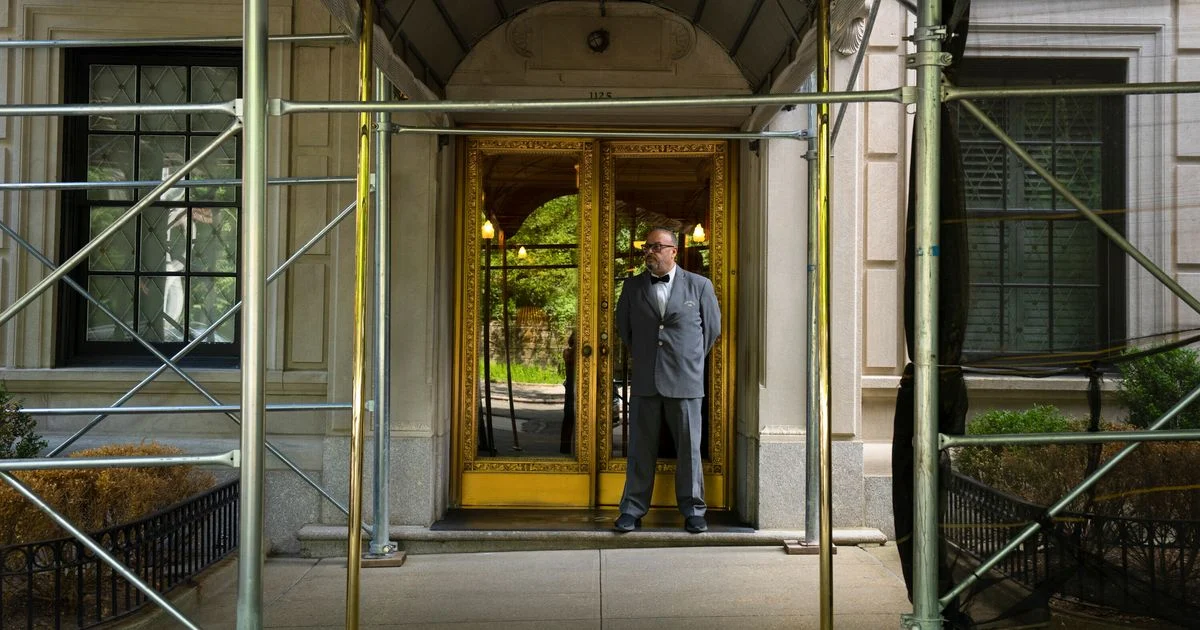
The threat of a citywide labor stoppage that would have paralyzed the daily operations of thousands of New York City’s most prestigious residential buildings was narrowly averted on Friday afternoon. Following weeks of escalating tension and the issuance of draconian contingency plans by building managements, the service workers’ union, Local 32BJ of the Service Employees International Union (SEIU), and the Realty Advisory Board on Labor Relations (RAB) reached a tentative contract agreement. The deal, announced at approximately 4:00 p.m., came just days before the April 20 deadline, effectively cancelling a strike that would have seen more than 30,000 doormen, porters, handymen, and building superintendents walk off the job.
The potential strike represented the most significant threat to the city’s residential stability in over three decades. Had the walkout proceeded, it would have affected more than 3,000 apartment buildings across Manhattan, Brooklyn, Queens, and the Bronx, impacting the lives of roughly 1.5 million New Yorkers. The resolution brings an end to a period of intense anxiety for residents who had spent the preceding week receiving memos that read more like survivalist manifestos than standard building communications.
Radical Contingency Plans and Resident Restrictions
In the days leading up to the resolution, management companies and co-op boards across the city issued a series of emergency directives that highlighted the critical, often invisible, role that service workers play in the city’s ecosystem. The memos warned of a near-total cessation of standard services, with some buildings proposing measures that residents described as "worthy of a pending nuclear disaster."
In many high-end cooperatives on the Upper East Side and Upper West Side, shareholders were told that visitors would be strictly prohibited unless they were escorted into the building by a resident. To manage security in the absence of doormen, buildings hired private security firms to man the lobbies. These guards were tasked with checking QR codes or newly issued identification cards for every person entering the premises.
Deliveries, the lifeblood of the modern New York apartment dweller, were a primary point of concern. Residents were advised to redirect all packages to their offices or to UPS and FedEx pick-up points, as drivers for these companies frequently refuse to cross picket lines. Some buildings went further, requesting that residents refrain from ordering food delivery, flower arrangements, or dry cleaning.
Perhaps most jarring were the restrictions on internal building infrastructure. Many management companies, including industry giants like Related and Douglas Elliman, announced that service elevators would be deactivated for the duration of a strike. This effectively banned all apartment renovations and scheduled moves. For residents in the middle of multi-million dollar construction projects or those with expiring leases, the news was catastrophic.
The directive to avoid the use of laundry rooms underscored the fragility of high-density living. Management warned that if a machine were to malfunction, no staff would be available to address the leak or repair the equipment, potentially leading to significant water damage across multiple floors.
A City Bracing for Chaos: The Logistics of a Strike
The logistics of managing a 145-unit prewar co-op or a 50-story luxury glass tower without staff are formidable. The most immediate and visceral challenge is trash management. New York City residential buildings generate thousands of tons of refuse daily. Without porters to manage compactors and move bags to the curb, hallways and basements would quickly become health hazards.
In response, several buildings in Midtown and the Upper East Side requested that residents store their recycling and trash inside their individual apartments for the duration of the strike. This proposal met with significant resistance on digital forums like Reddit, where residents argued that such measures violated fire codes and invited pest infestations.
To bridge the gap, many boards called for volunteers. Residents—often those serving on the building’s board of directors—began signing up for "shifts" to perform essential tasks. One attorney residing in an Upper West Side co-op noted that she had volunteered to sort and distribute mail, a task usually handled by a staff of four. "If the staff isn’t here, someone has to do it," she said, noting that her two teenage sons would likely be drafted into service as well.
The Human Impact and Divergent Perspectives
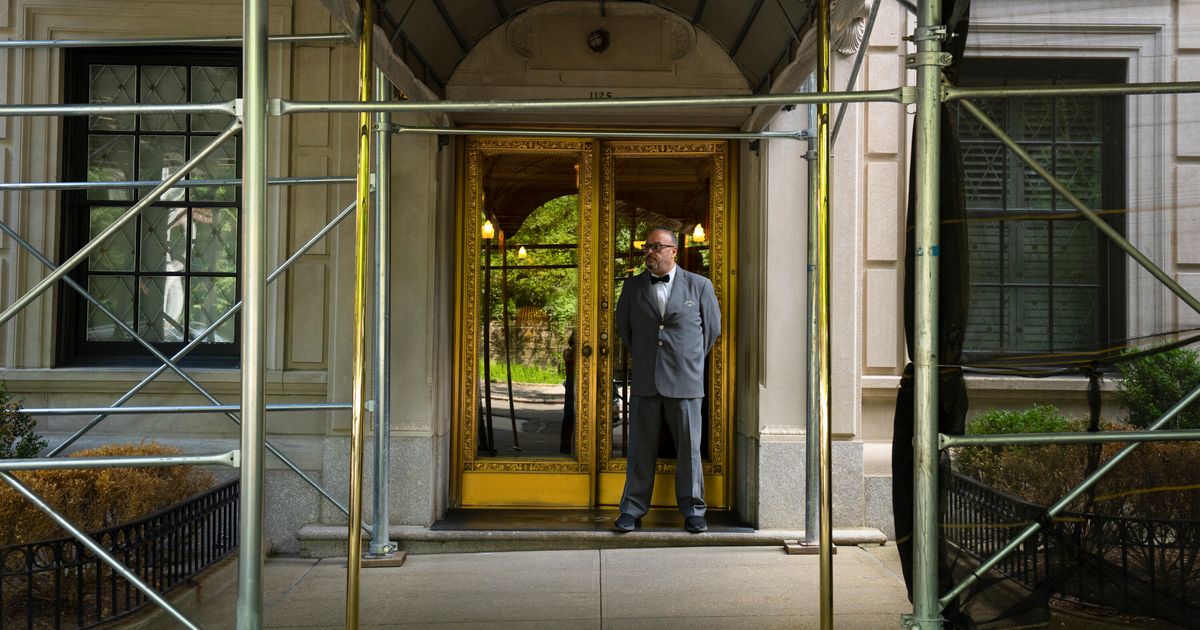
The prospect of the strike revealed a deep divide in how New Yorkers view their building staff and their own domestic responsibilities. For some, the looming labor action was viewed as a minor inconvenience or even a "lark." One resident of the East 70s, who maintains a pied-à-terre in the city, expressed a willingness to assist. "It won’t hurt me to carry down a trash bag or two or do a shift at the front door," he remarked, adding that he planned to host a cocktail party regardless of the labor situation.
However, for others, the stakes were far higher. A resident in Queens reported being in a "complete state of panic" after being told his out-of-state move would be blocked if the strike occurred. The financial implications of cancelling movers, breaking leases, and delaying employment starts created a sense of desperation for those caught in the middle of the dispute.
The moral implications of "picking up the slack" also became a point of contention. While many residents were happy to help maintain their homes, others viewed volunteering as "scabbing"—the act of performing the work of striking employees to undermine their bargaining power. On local neighborhood forums, the debate was fierce, with some residents flatly refusing to perform the duties of the doormen they see every day, citing a desire to support the workers’ fight for better wages and benefits.
Historical Context: The 1991 Precedent
The last time New York City faced a residential service worker strike of this magnitude was in 1991. That strike lasted 12 days and turned the city’s luxury real estate market upside down. During that period, mountains of trash piled up on sidewalks, and residents of some of the world’s most expensive addresses were forced to guard their own lobbies with baseball bats and flashlights.
The 1991 strike ended only after significant concessions were made, and it left a lasting mark on the city’s labor relations. Since then, the RAB and Local 32BJ have successfully negotiated several contracts without resorting to a walkout. The 2026 negotiations were particularly fraught due to the economic climate. Workers, who remained on the front lines during the COVID-19 pandemic as "essential workers," demanded significant wage increases to keep pace with record-high inflation and the soaring cost of living in the metropolitan area.
Economic Implications and Labor Strength
The tentative agreement reached on Friday is seen as a major victory for Local 32BJ. While the specific details of the contract are subject to ratification by the union membership, early reports indicate that the deal includes substantial annual wage increases and the protection of employer-paid healthcare benefits.
The Realty Advisory Board, representing building owners, had initially sought to implement cost-sharing for health insurance and reductions in paid leave. However, the unified front presented by the union—including a massive rally on Park Avenue that drew thousands of workers—appears to have shifted the leverage in favor of the employees.
The economic impact of the deal will eventually be felt by residents in the form of increased maintenance fees and common charges. In the world of New York City real estate, service staff payroll and benefits typically constitute one of the largest line items in a building’s annual budget. For co-op shareholders and condo owners, the cost of labor peace is a direct hit to the monthly bottom line, yet most experts agree that the alternative—a prolonged strike—would have been far more costly in terms of property damage, security risks, and lost productivity.
Analysis: The Essential Nature of the Invisible Workforce
The crisis of the past week has served as a profound reminder of the "invisible" labor that sustains New York’s vertical lifestyle. Doormen and porters do far more than open doors and move trash; they serve as security, mail sorters, emergency responders, and the social glue of their buildings.
The radical nature of the contingency plans—banning laundry, visitors, and renovations—was not merely a management tactic to scare residents into pressuring the union. Rather, it was a factual assessment of how quickly a modern luxury building becomes uninhabitable without professional maintenance.
As the city breathes a collective sigh of relief, the focus shifts to the ratification of the contract. For now, the QR codes can be discarded, the service elevators will remain operational, and New Yorkers can return to the convenience of having their packages delivered to their doors. However, the memory of the "week that almost wasn’t" will likely linger, reminding the city’s most affluent residents exactly who keeps their world running.