
Texas A&M University’s Solemn Observance of National POW/MIA Recognition Day: Honoring Sacrifice and Fostering Remembrance
National POW/MIA Recognition Day, observed annually on the third Friday in September, holds a profound significance at Texas A&M University, a venerable institution deeply intertwined with military service and the enduring spirit of duty. This day transcends mere commemoration; it is a solemn occasion for the Aggie community to collectively honor the immense sacrifices of Prisoners of War and those Missing in Action, recognizing their unwavering commitment to the nation and the profound personal costs they endured. Texas A&M’s commitment to this remembrance is deeply ingrained in its history and culture, reflecting a core value of selfless service that resonates with its students, faculty, staff, and alumni. The university’s proactive and multifaceted approach to National POW/MIA Recognition Day ensures that the stories, struggles, and ultimate sacrifices of these service members are not forgotten, but rather perpetuated for future generations. This article delves into the various facets of Texas A&M’s observance, exploring the historical context, the specific activities undertaken, the role of student organizations, the academic integration of this solemn day, and the overarching impact on fostering a culture of remembrance and respect for military personnel.
The historical connection between Texas A&M and military service is a foundational element that underpins the university’s dedication to National POW/MIA Recognition Day. Established as a land-grant college, Texas A&M was originally named the Agricultural and Mechanical College of Texas, with a mandate that included military training. This tradition of mandatory military training for all male students, known as the Corps of Cadets, has been a cornerstone of the Aggie experience for over a century. While the mandatory nature of the Corps has evolved, its presence and influence remain robust, fostering a deep appreciation for military discipline, leadership, and sacrifice. This direct lineage to military preparedness instills in every Aggie an inherent understanding and respect for the demands and dangers faced by those who serve. Consequently, the plight of POWs and MIAs is not an abstract concept but a tangible representation of the ultimate sacrifice within a culture that has actively cultivated military values. The university’s commitment to remembering POWs and MIAs is therefore not a peripheral observance but a deeply embedded expression of its institutional identity and historical legacy, intrinsically linked to the sacrifices made by its own alumni and the broader military community it serves and supports.
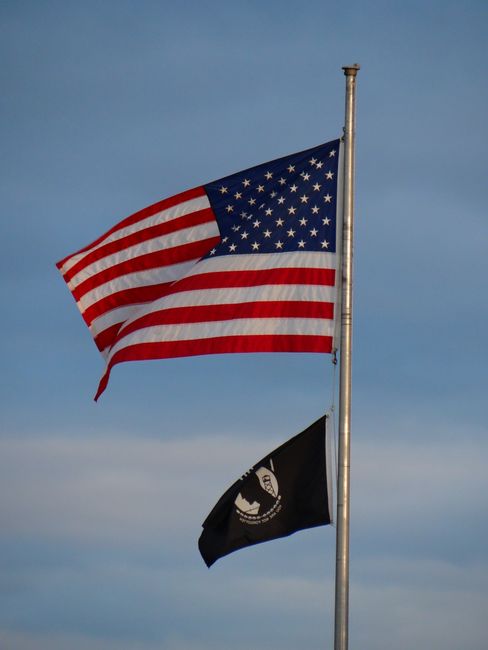
Texas A&M’s observance of National POW/MIA Recognition Day is characterized by a rich tapestry of activities designed to engage the entire university community. A central element of the commemoration often involves a formal ceremony, typically held on campus, which may include poignant moments such as a wreath-laying, a reflective address by a distinguished military figure or university leader, and the playing of "Taps." The presence of the Corps of Cadets is invariably a powerful visual and symbolic component of these ceremonies, their disciplined formations and solemn demeanor underscoring the gravity of the occasion. Beyond the official ceremonies, various student organizations, particularly those with military affiliations such as the Veteran Resource & Support Center, the Student Veterans Association, and individual Corps outfits, play a vital role in organizing and participating in remembrance events. These student-led initiatives often include memorial displays, such as the powerful POW/MIA flag prominently displayed in high-traffic areas, accompanied by informational materials detailing the history and significance of the day. The "Empty Chair" or "Freedom Isn’t Free" displays, where an empty chair is set up to represent each missing service member, are also common and emotionally resonant elements of these observances, serving as a stark reminder of those who are not present to enjoy the freedoms they fought to protect. The university bookstore and campus publications frequently feature articles and dedications related to POWs and MIAs in the weeks leading up to and on the day itself, further disseminating awareness and encouraging reflection.
The role of student organizations in driving the observance of National POW/MIA Recognition Day at Texas A&M is particularly noteworthy. The Corps of Cadets, as the direct embodiment of the university’s military heritage, is intrinsically involved in many aspects of the commemoration. Cadets participate in honor guards, provide logistical support for ceremonies, and often lead educational initiatives within their outfits. Beyond the Corps, organizations like the Veteran Resource & Support Center and the Student Veterans Association serve as crucial hubs for connecting students with a military background and fostering a shared sense of purpose around remembrance. These groups often collaborate to organize events, coordinate volunteer efforts, and ensure that the voices and experiences of veterans and their families are heard. The palpable dedication of these student-led initiatives highlights a grassroots commitment to honoring those who have served and sacrificed, ensuring that the spirit of remembrance is vibrant and actively cultivated among the student body. Their efforts are not merely symbolic; they are instrumental in translating the national observance into tangible actions and meaningful engagement within the Aggie community.
The academic integration of themes related to military service, conflict, and remembrance is another critical aspect of how Texas A&M approaches National POW/MIA Recognition Day. While specific course offerings may vary, many academic departments and programs on campus offer opportunities for students to engage with these critical subjects. History courses, for instance, often delve into the historical context of wars and the experiences of soldiers, including discussions on the treatment of POWs and the challenges of accounting for MIAs. Political science and international relations programs may examine the geopolitical factors contributing to conflicts and the ethical considerations surrounding military engagement. Sociology and psychology departments might explore the psychological impact of war and captivity on service members and their families. Furthermore, university-wide seminars, guest lectures, and public forums are frequently organized to bring in experts, veterans, and family members to share their perspectives and insights. These academic avenues provide a structured environment for students to deepen their understanding of the sacrifices represented by National POW/MIA Recognition Day, moving beyond a superficial acknowledgment to a more profound intellectual and emotional comprehension. This academic engagement ensures that the remembrance of POWs and MIAs is not confined to a single day but is woven into the broader intellectual fabric of the university.
The impact of Texas A&M’s dedicated observance of National POW/MIA Recognition Day extends far beyond the immediate commemorative activities. It plays a significant role in cultivating a pervasive culture of respect and gratitude for military service throughout the university. For current students, especially those not directly affiliated with the military, these observances offer invaluable opportunities to learn about the realities of military life, the sacrifices involved, and the profound importance of honoring those who have served. This exposure can foster a deeper appreciation for the freedoms they enjoy and a greater understanding of the commitments made by their fellow citizens in uniform. For student veterans and members of the Corps of Cadets, these events provide a vital sense of solidarity, community, and validation, reinforcing the significance of their chosen paths and the sacrifices they may one day be called upon to make. The university’s consistent and visible commitment to remembering POWs and MIAs also serves as a powerful message to the broader community and to the service members themselves, affirming that their sacrifices will not be forgotten and that their service is deeply valued. This enduring commitment contributes to a legacy of remembrance that is integral to the identity and mission of Texas A&M University. The sustained effort in organizing these events, the integration of these themes into academic discourse, and the active participation of the student body collectively ensure that National POW/MIA Recognition Day at Texas A&M is a meaningful and impactful occasion, reinforcing the university’s unwavering commitment to honoring those who have served and continue to serve. The lasting impression left on individuals, the reinforcement of shared values, and the perpetuation of a culture of honor are the enduring legacies of Texas A&M’s solemn observance.
