The Epicenter of World Cup Fever in Queens
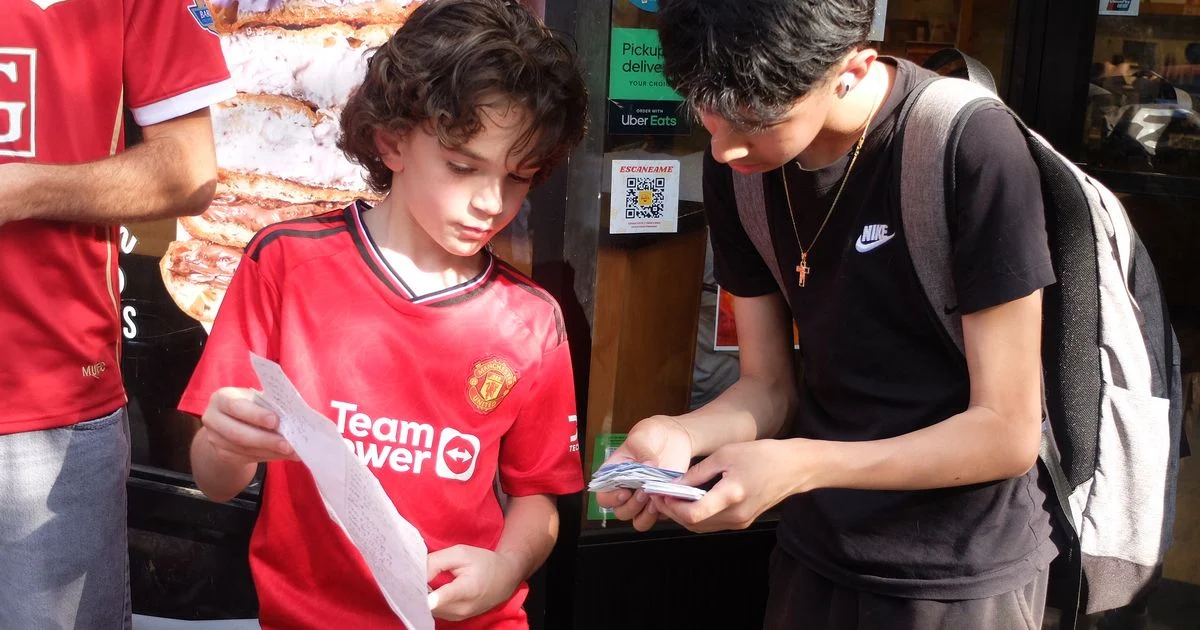
While much of the United States views the World Cup through the lens of television broadcasts and high-priced stadium tickets, the residents of Jackson Heights experience the tournament through the tactile exchange of Panini stickers. The neighborhood, often referred to as "Little Colombia" due to its high concentration of residents with South American heritage, has seen this specific corner evolve into a specialized trading hub. Every afternoon, the air is filled with a bilingual chorus of "Whatchu got?" and "Qué te falta?" (What are you missing?).
The 2026 World Cup edition of the Panini sticker album is the most ambitious to date. Featuring 980 stickers—one for every player on the 48 participating teams, along with stadium shots and special "shiny" emblems—the task of completing the book is statistically improbable for an individual working in isolation. While packs are available at major retailers like Target, Walgreens, and CVS for approximately $2 each, the "blind box" nature of the product ensures that collectors inevitably end up with a stack of duplicates. In Jackson Heights, these duplicates are the currency of a localized micro-economy.
A Chronology of a Neighborhood Tradition
The phenomenon at 73rd Street and 84th Avenue did not emerge overnight. It is a tradition that has matured over the course of several tournament cycles, mirroring the growth of soccer’s popularity in the United States and the shifting demographics of Queens.
- 2010 (South Africa): The gathering began as a small cluster of immigrants from soccer-heavy nations like Colombia, Ecuador, and Uruguay. They sought to replicate the vibrant trading cultures of their home countries, where sticker albums have been a staple of World Cup culture since 1970.
- 2014 (Brazil): The meetup grew in size as the tournament returned to the Americas. Veteran traders like Julian Cruhigger, who was only a child at the time, recall only two or three organized stands during this period.
- 2018 (Russia) and 2022 (Qatar): The trading groups became more formalized. Despite the 2022 tournament being held in the winter, the community maintained its momentum, though some families reported difficulties finding trading partners outside of established immigrant enclaves.
- 2026 (North America): With the World Cup being co-hosted by the United States, the enthusiasm has reached a fever pitch. The Jackson Heights corner now hosts five to six dozen people daily, with "professional" traders setting up elaborate tables to facilitate high-volume exchanges.
The Mechanics of the Trade: Professionalism and Passion
The ecosystem of the Jackson Heights corner is supported by "professional" traders—devoted enthusiasts who source stickers in bulk directly from the Italian manufacturer, Panini. These individuals act as the anchors of the sidewalk market, providing an exhaustive supply of duplicates that help casual collectors find the rarest players.
For many of these professionals, the financial gain is secondary to the social role they play. They describe their presence as a service to the local community, ensuring that neighborhood children have a fair chance to complete their albums. However, the true heart of the meetup lies in the amateurs. Families from across Queens and as far away as Long Island travel to this specific corner, armed with handwritten lists of numbers and carefully organized binders.
The demographic makeup of the crowd is a testament to the cross-generational appeal of the hobby. Sophia Ballinas, a 23-year-old Spanish teacher who grew up in Forest Hills, represents the adult collector who has finally found the means to finish an album she started as a child. For Ballinas, the search for a Lionel Messi sticker is not just about the collectible; it is a way to connect with the Mexican heritage passed down by her father.
Family Bonds and Cultural Continuity
For the immigrant community in Jackson Heights, Panini stickers are more than a hobby; they are a tool for cultural transmission. Parents who grew up in Quito, Bogotá, or Mexico City use the stickers to introduce their American-born children to the stars and symbols of their ancestral homelands.
In one corner of the meetup, 42-year-old Diana Peralta and her 24-year-old son, David Orellana, work in tandem. Having immigrated from Ecuador six years ago, they missed out on the full trading experience during the 2022 cycle. This year, the roles have shifted; while David and his cousin Richard Zhanay handle the negotiations and "swapping" on the sidewalk, Peralta takes on the meticulous task of placing the stickers into the album with surgical precision.
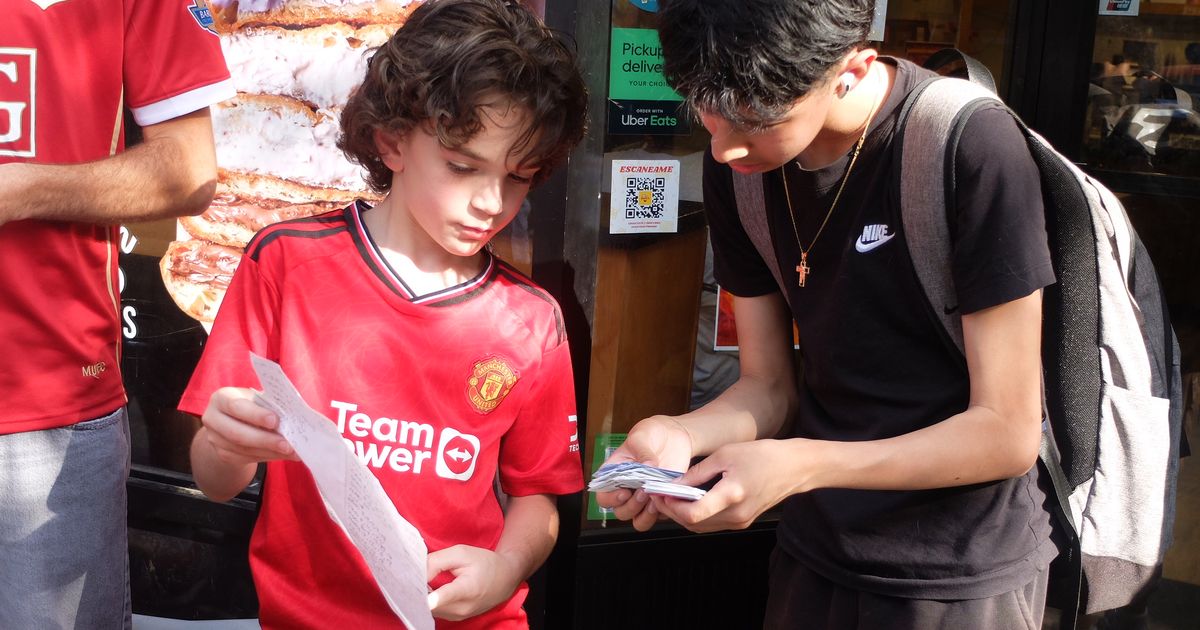
Nearby, the Gonzalez brothers—16-year-old Marco and 9-year-old Mason—demonstrate the evolution of a young trader. Mason, who was only an infant when his brother began collecting, has now taken the lead in negotiations. Their father, Gary, watches from the sidelines, noting that the hobby has become a significant bonding moment for the siblings. This sentiment is echoed by Kevin Julia, a 32-year-old who originally preferred baseball but was drawn into the sticker world by Latino friends in high school. Julia now brings his entire family to the corner, including his father, creating memories through the shared excitement of opening new packs.
Supporting Data and Economic Impact
The scale of the Panini sticker phenomenon is significant. Since the Panini Group began its partnership with FIFA for the 1970 World Cup in Mexico, the company has grown into a global powerhouse, with annual revenues often exceeding $1 billion during World Cup years.
To understand the necessity of the Jackson Heights meetup, one must look at the mathematics of the 2026 album:
- Total Stickers: 980.
- Stickers per Pack: 5.
- Statistical Reality: According to probability experts, a collector would need to purchase approximately 4,000 to 5,000 stickers (800 to 1,000 packs) to have a realistic chance of completing an album without trading, due to the high frequency of duplicates.
- Cost Efficiency: At $2 per pack, a "solo" completion could cost upwards of $2,000. Trading at corners like the one in Jackson Heights reduces this cost to a fraction of that amount, making the hobby accessible to working-class families.
Broader Impact and Implications for U.S. Soccer
The vibrant scene in Jackson Heights is a microcosm of a larger shift in the American sporting landscape. While baseball cards and NFL memorabilia have historically dominated the U.S. collectibles market, the rise of Panini sticker trading signals the deepening roots of soccer in the American consciousness.
The fact that the 2026 World Cup is being held on U.S. soil has provided a unique catalyst. Even those who traditionally identify as fans of "American" sports, like Kevin Julia’s father, are being drawn into the fold. This crossover appeal suggests that soccer is successfully moving from a niche interest to a mainstream cultural staple.
Furthermore, these meetups represent a form of "placemaking" in urban environments. In a city where public spaces are often contested or commercialized, the informal gathering outside El Chivito D’Oro demonstrates how a shared interest can transform a standard sidewalk into a vital community center. It is a space where the barriers of age, language, and economic status are temporarily lowered in favor of a common goal.
Conclusion: The Final Piece of the Puzzle
As the 2026 World Cup progresses toward its final matches, the crowds in Jackson Heights are expected to grow even denser. The urgency to find those last few elusive stickers—often the "shining" emblems or the star strikers of the top-seeded teams—will drive collectors to the corner from dawn until dusk.
While the physical stickers may eventually lose their adhesive or be tucked away in attics, the impact of the Jackson Heights meetup remains. It has served as a bridge between the old world and the new, a classroom for negotiation and social interaction for children, and a vibrant celebration of the "beautiful game" in the world’s most diverse borough. For the participants at 73rd Street and 84th Avenue, the World Cup is not just a series of games played in distant stadiums; it is a tangible, sticky, and deeply personal experience shared one trade at a time.