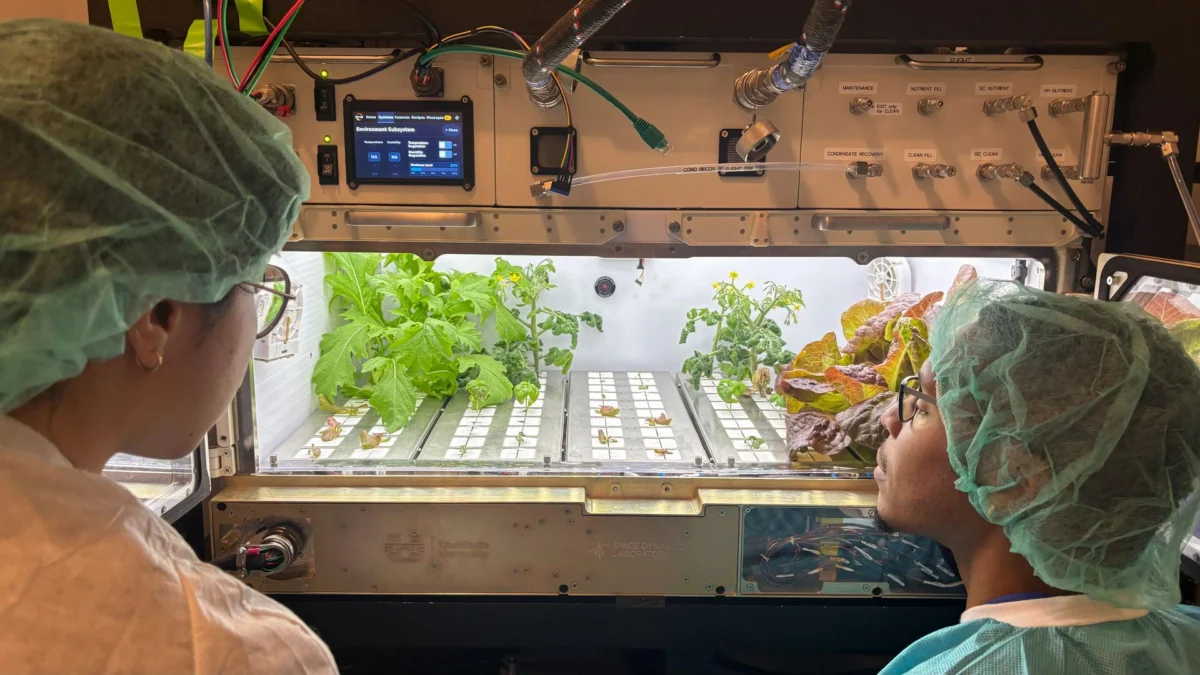
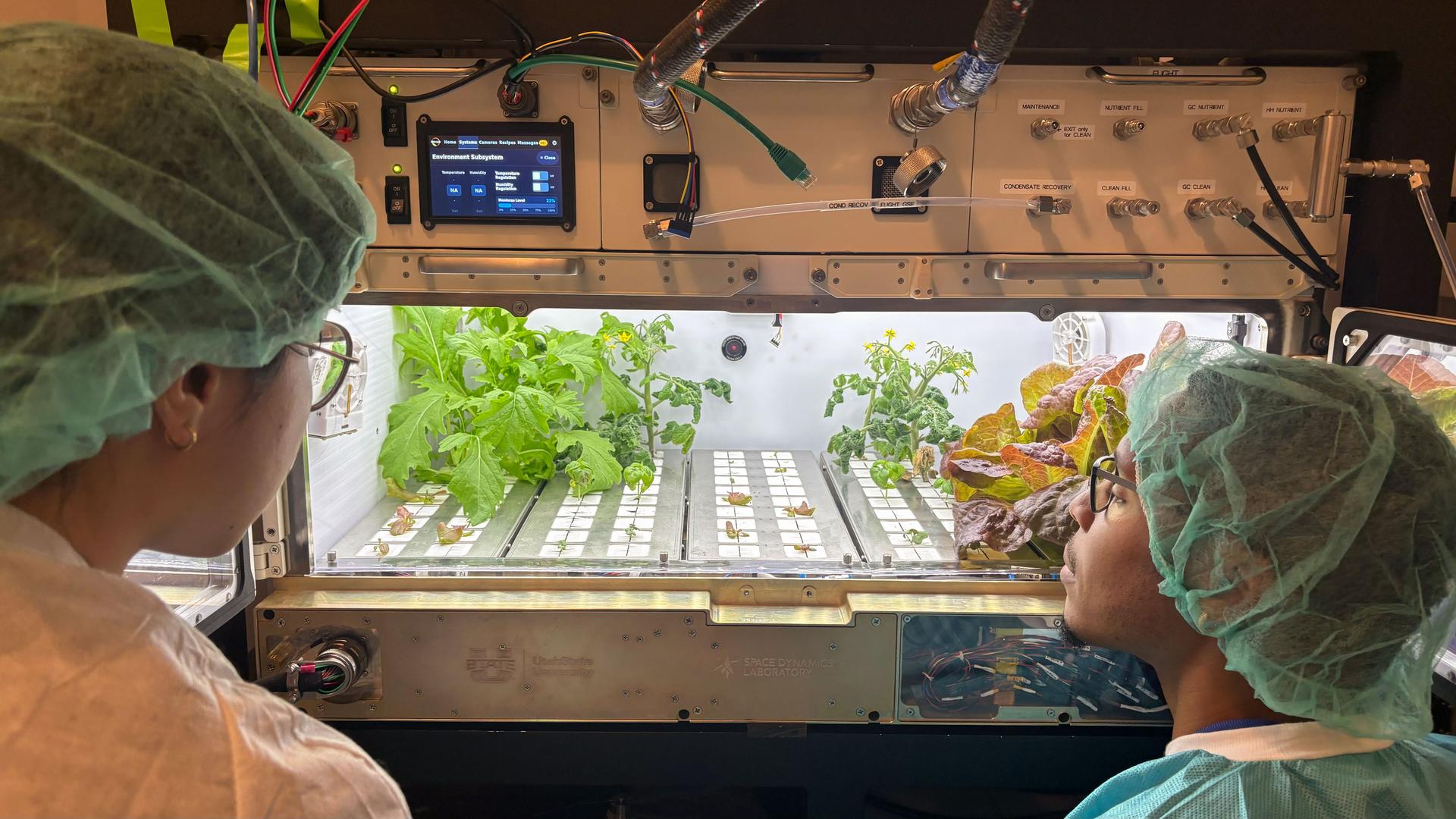
The upcoming launch of the 25th Northrop Grumman Commercial Resupply Services (CRS-25) mission marks a pivotal moment in the evolution of deep-space life support and human physiological research. Scheduled to dock with the International Space Station (ISS), the mission carries a sophisticated suite of experiments curated by NASA’s Biological and Physical Sciences (BPS) Division. Among the most anticipated payloads is a novel space crop production system, which represents a fundamental shift in how the agency approaches self-sustaining food sources for long-duration missions.
Mission Overview and Strategic Objectives
Northrop Grumman’s CRS-25 mission is more than a routine logistical delivery of supplies, spare parts, and research equipment. It serves as a testbed for the technologies required for the Artemis program, which aims to establish a permanent human presence on the Moon and eventually facilitate crewed missions to Mars. The cargo manifest reflects a dual-focus strategy: securing the biological sustenance of crews through advanced agriculture and protecting their neurological health through precision medical monitoring.
By utilizing the unique microgravity environment of the ISS, researchers are able to isolate variables that are impossible to control on Earth. The data generated from this mission will be synthesized into the existing repository of BPS research, providing a roadmap for the next decade of orbital and interplanetary exploration.
Advancing Space Agriculture: The Future of Deep-Space Nutrition
One of the primary challenges identified by NASA’s Human Research Program is the nutritional and psychological necessity of fresh food for astronauts. As mission durations increase from months to years, the reliance on pre-packaged, shelf-stable food becomes a logistical bottleneck. The introduction of the new space crop production system is designed to address this by optimizing water delivery and volume constraints within a closed-loop environment.
The Mechanics of Microgravity Farming
The experiment focuses on a prototype growth chamber that utilizes state-of-the-art capillary action and precision fluidics. In microgravity, the absence of buoyancy-driven convection makes traditional watering techniques ineffective, as water tends to pool in large, dangerous bubbles that can drown plant roots or leak into station equipment.
This new system utilizes advanced hydroponic and aeroponic technology to validate water delivery protocols that ensure every drop is used efficiently. By automating the nutrient-delivery cycle, the system minimizes the need for human intervention, a critical requirement for autonomous habitats on the lunar surface or the Martian plains.
Agricultural Implications for Earth
The implications of this research extend far beyond the vacuum of space. The optimization techniques being tested—specifically regarding vertical farming and indoor growing systems—have profound potential for terrestrial agriculture. As climate change threatens traditional farming yields and urban populations grow, the ability to produce high-density, nutrient-rich crops in small, controlled indoor environments becomes increasingly valuable. Data gathered from the CRS-25 experiment will provide insights into how plants respond to nutrient-delivery stressors, potentially leading to more resilient crop strains for Earth-based indoor agriculture.
Precision Health and the Future of Neurological Research
Parallel to the botanical research, the CRS-25 mission carries a significant payload focused on human health: the next phase of the precision health investigation. This study aims to deepen the understanding of how spaceflight affects the human brain at a cellular level, building upon the foundational data established by previous "miBrain" investigations.
The Evolution of the miBrain Initiative
Previous iterations of the miBrain study successfully demonstrated that lab-grown human brain organoids could survive and thrive in microgravity. These organoids—miniature, three-dimensional tissues that mimic the architecture and function of the human brain—provide an unprecedented platform for studying the effects of ionizing radiation and microgravity on neural development and degradation.
The current mission introduces a miniature fluid-handling system designed to sustain these organoids for longer periods. This system is a marvel of miniaturization, capable of maintaining the delicate chemical balance of the nutrient-rich media required for the organoids to survive without manual oversight. By validating this hardware, NASA is clearing the path for longitudinal studies that could last for months, allowing researchers to observe how spaceflight-induced stressors accumulate over time.
Identifying Neurological Risks
The primary goal of this research is the mitigation of neurological risks. Data collected during the mission will be scrutinized for changes in gene expression, synaptic integrity, and metabolic pathways within the neural tissues. Identifying these changes is vital for developing pharmacological or lifestyle countermeasures to protect astronauts from potential neurodegenerative effects associated with deep-space exposure.
Chronology of Research Integration
The current mission is the culmination of years of phased research. The chronological development of these technologies follows a structured path of maturation:
- Initial Concept Phase (2020-2022): Theoretical modeling of fluid dynamics in microgravity and the design of the initial miBrain organoid platforms.
- Proof-of-Concept Launches (2023-2024): Preliminary flight tests of growth chambers and basic organoid maintenance, identifying key hardware failures in early designs.
- System Refinement (2025): Redesign of the fluid-handling systems based on flight data, with a focus on autonomous operations and long-term stability.
- CRS-25 Mission Execution (Late 2026): Deployment and validation of the integrated, high-fidelity systems currently entering the ISS.
This structured timeline demonstrates NASA’s commitment to the iterative design process, ensuring that each generation of space-borne technology is safer and more reliable than its predecessor.
Supporting Data and Technical Context
The efficiency of the new crop production system is measured against a strict set of benchmarks:
- Water Utilization Efficiency (WUE): The target is a 30% increase in water delivery efficiency compared to previous ISS vegetable production systems.
- Organoid Viability: The goal for the precision health investigation is to maintain a minimum of 90% cell viability within the miBrain models over a 30-day period.
- Autonomous Operational Uptime: The systems are required to operate for 14 days without any manual intervention from the ISS crew, testing their readiness for unmanned lunar base deployment.
These metrics are essential for determining the "readiness level" of the hardware for future missions beyond low Earth orbit.
Broader Impact and Scientific Implications
The broader implications of these investigations involve a paradigm shift in human spaceflight. For decades, the ISS has functioned as a laboratory for short-to-medium-term physical and biological phenomena. However, as the focus shifts toward the Moon and Mars, the requirements for life support and health management are becoming increasingly stringent.
The Lunar Gateway and Beyond
The technologies tested on CRS-25 are direct precursors to the systems intended for the Lunar Gateway. The ability to grow crops and monitor biological health in remote, resource-constrained environments is the "holy grail" of long-duration space travel. Without the ability to produce food, the weight and cost of resupply missions would be prohibitive for a sustained Mars program.
Cross-Disciplinary Synergies
The research also highlights the increasing intersection of biology and engineering. By treating the human brain and plant life as complex systems that require specific environmental inputs, NASA is moving toward a more holistic model of life support. This systems-engineering approach allows for the development of hardware that is as robust as the biological systems it seeks to sustain.
Conclusion
As the Northrop Grumman CRS-25 mission prepares for launch, the scientific community looks toward the ISS not just as an observation platform, but as a manufacturing and biological nursery for the future of humanity. The integration of advanced crop production and precision neurological monitoring signals that the agency is effectively moving from the "exploration" phase of space travel to the "habitation" phase.
While the data from these experiments will take months to analyze, the successful deployment of these technologies on the ISS represents a monumental step forward. By mastering the delicate balance of life support in microgravity, NASA continues to ensure that when humanity eventually takes the next giant leap, it will be equipped with the tools necessary to survive and thrive, regardless of the distance from home. The success of this mission will define the operational standards for decades of exploration to come, solidifying the ISS’s role as the indispensable foundation for our expansion into the solar system.