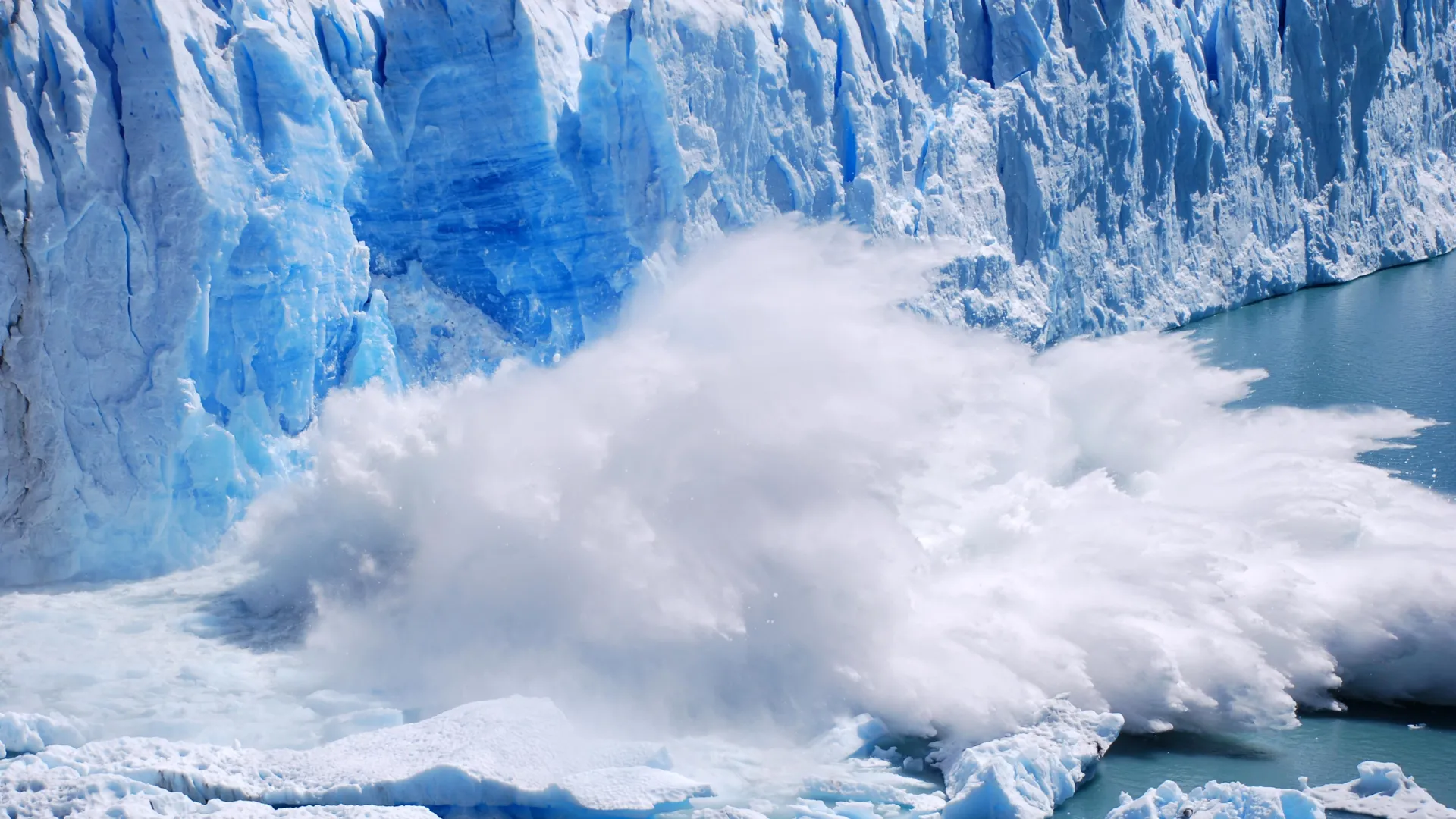
Most glaciers across the globe are in a state of retreat, their icy bodies steadily diminishing as global temperatures climb. However, a distinct and far more perilous subset of these frozen giants operates on a different clock. These are the surging glaciers, a phenomenon that, while affecting a smaller percentage of the world’s glacial ice, harbors the potential for catastrophic natural disasters. An extensive international study, spearheaded by researchers at the University of Portsmouth, has meticulously examined these anomalous ice flows, shedding critical light on the escalating risks they pose and how the pervasive force of climate change is fundamentally altering the frequency and geographic distribution of these sudden, powerful events.
The Enigmatic Nature of Glacier Surges
A glacier surge is a dramatic departure from the slow, almost imperceptible creep that characterizes most glacial movement. It is a period of rapid acceleration, during which immense volumes of ice are propelled forward at an astonishing pace. This surge can cause the glacier’s terminus to advance significantly, often over a span of several years. Glaciologists have long observed that many surging glaciers operate in cyclical patterns, characterized by prolonged periods of dormancy punctuated by these intense bursts of activity.
The comprehensive study, published in the esteemed journal Nature Reviews Earth and Environment, consolidated data from over 3,100 documented glacier surges worldwide. Contrary to a uniform global distribution, these surging glaciers exhibit a marked concentration in specific geographical hotbeds. These include the frigid expanse of the Arctic, the towering peaks of High Mountain Asia, and the dramatic landscapes of the Andes. The research delved into the intricate mechanisms that govern these glaciers, seeking to identify the precise environmental conditions that precipitate surges and pinpoint the regions most susceptible to their occurrence. Furthermore, the study provides a detailed global map of their distribution, offering crucial insights into the climatic factors that foster their clustering in particular locales.
Dr. Harold Lovell, a Senior Lecturer and glaciologist at the University of Portsmouth’s School of the Environment and Life Sciences, who led the international research team, described these surge-type glaciers as "very unusual and can be troublesome." He offered a vivid analogy, noting that they "save up ice like a savings account and then spend it all very quickly like a Black Friday event." While these glaciers constitute a mere 1% of all glaciers globally, their collective impact is disproportionately significant, encompassing nearly one-fifth of the total global glacial area. Their volatile behavior, he emphasized, can precipitate severe and at times catastrophic natural disasters, directly impacting thousands of lives.
The Amplified Vulnerability of Surging Glaciers to Climate Change
Contrary to any notion of immunity, the findings of this landmark study reveal that surging glaciers are not insulated from the effects of a warming planet. In fact, the very nature of their surging activity appears to render them more susceptible to climatic shifts. During these accelerated flow phases, these glaciers can shed enormous quantities of ice, contributing substantially to regional ice loss. This dynamic adds a layer of complexity to the global picture of glacial melt, suggesting that certain glaciers, while seemingly dormant, are accumulating energy that, when released, exacerbates overall ice depletion.
Six Major Hazards Unleashed by Surging Glaciers
The research meticulously outlines six primary categories of hazards that surging glaciers can unleash upon nearby human settlements, particularly in vulnerable mountainous terrains. These hazards, often interconnected, underscore the profound threat these ice bodies represent:
- Glacial Lake Outburst Floods (GLOFs): As glaciers surge and advance, they can dam valleys, creating glacial lakes. These lakes, often unstable, can rupture catastrophically, releasing torrents of water, ice, and debris that can inundate downstream communities and infrastructure with devastating force. Historically, significant GLOFs have been recorded in regions like the Himalayas and the Andes, causing widespread destruction and loss of life. For instance, the 1941 event at the Kolka Glacier in the Caucasus Mountains resulted in thousands of fatalities.
- Avalanches and Icefall: The rapid movement of ice during a surge increases the likelihood of large-scale avalanches and icefalls. These events can trigger secondary hazards, such as rockfalls and debris flows, posing an immediate danger to anyone in their path, including mountaineers, local populations, and vital transportation routes.
- Flooding and Debris Flows: The sheer volume of ice and sediment displaced during a surge can overwhelm river systems, leading to significant downstream flooding. Furthermore, the entrainment of rock and soil within the moving ice can generate powerful debris flows, capable of devastating entire villages and agricultural lands. The 2013 Kedarnath disaster in India, while not solely attributed to a glacial surge, shared characteristics with debris flows exacerbated by extreme weather and glacial melt, highlighting the destructive potential.
- Landslides and Slope Instability: The dynamic forces of a surging glacier can destabilize surrounding mountain slopes. The immense pressure exerted by the moving ice, coupled with increased meltwater infiltration, can lead to widespread landslides, further endangering communities situated below.
- Impacts on Water Resources: While seemingly counterintuitive, the rapid discharge of ice and meltwater during a surge can temporarily disrupt downstream water availability for communities and ecosystems that rely on glacial melt for their water supply. Conversely, the long-term alteration of glacial systems can lead to more profound and permanent changes in water regimes.
- Infrastructure Damage: Critical infrastructure, including roads, bridges, power lines, and settlements, located in the path or downstream of surging glaciers are at extreme risk. The destructive power of surges can obliterate these vital assets, leading to significant economic losses and prolonged disruption of essential services.
Identifying the Greatest Threats: A Focused Approach
Leveraging the extensive data compiled, the research team successfully identified 81 specific glaciers that represent the most significant threats when they enter a surging phase. A substantial proportion of these high-risk glaciers are situated in the Karakoram Mountains, a part of High Mountain Asia. This region is particularly precarious because densely populated valleys and crucial infrastructure are located directly in the potential path of these advancing ice masses. These identified glaciers are characterized by their considerable size, their proximity to human populations, and their documented propensity for recurrent surging events, making them a priority for intensified monitoring and risk assessment.
Climate Change: The Unpredictable Catalyst
Perhaps one of the most disquieting conclusions of the study is the observation that rising global temperatures are not only influencing the behavior of glacier surges but are also making them increasingly unpredictable. This growing uncertainty arrives at a critical juncture when accurate forecasts are more vital than ever for effective disaster preparedness and mitigation.
Dr. Lovell elaborated on this point, stating, "By drawing on previous studies, we have been able to piece together the growing body of evidence that shows how climate change is affecting glacier surges, including where and how often they happen." He highlighted the role of extreme weather events, such as intense rainfall or unusually warm summers, in triggering surges earlier than anticipated. This suggests a heightened unpredictability in their behavior, a departure from established patterns observed in the past.
The overall global picture is one of nuanced complexity, with regional variations playing a significant role. In some areas, surges are becoming more frequent than in historical records. Conversely, in other regions, the frequency of surges is declining. A concerning trend observed is that some glaciers have thinned to such an extent that their capacity to accumulate sufficient ice for future surges may be compromised, potentially signaling a long-term shift in their dynamics.
Shifting Glacial Landscapes: A Global Reconfiguration
Currently, surging glaciers are primarily concentrated in the Arctic and sub-Arctic regions, accounting for 48% of the phenomenon, and in High Mountain Asia, representing 50%. These regions possess the climatic conditions conducive to the specific dynamics that drive glacial surges. However, the relentless march of global warming threatens to fundamentally reconfigure the geographical distribution of these events.
In areas like Iceland, where glaciers are experiencing rapid melting, surges may become increasingly rare, potentially disappearing altogether as the glacial ice diminishes. In stark contrast, regions such as High Mountain Asia and the Canadian and Russian Arctic could witness an escalation in the frequency of surges. This is attributed to warmer temperatures that can increase meltwater production, a key lubricant in glacial dynamics. Furthermore, there is a nascent possibility that surging glaciers could emerge in entirely new geographical zones, including the Antarctic Peninsula, a region previously not widely associated with this phenomenon.
Professor Gwenn Flowers of Simon Fraser University in Canada, a co-author of the study, articulated the challenge: "The challenge we face is that just as we’re starting to develop a more comprehensive understanding of the mechanisms behind glacier surges, climate change is rewriting the rules." She underscored the potential for extreme weather events, which might have been considered rare even half a century ago, to now act as triggers for unexpected surges. This escalating unpredictability, she warned, significantly complicates efforts to protect vulnerable communities.
The Imperative for Enhanced Monitoring and Predictive Capabilities
The findings of this research carry profound implications for disaster risk reduction and climate change adaptation strategies. Dr. Lovell emphasized the critical importance of this work, stating, "This research is extremely important because understanding which regions have concentrations of surging glaciers helps us plan monitoring efforts and understand future behavior." He stressed that identifying specific glaciers that pose the greatest risks is paramount for safeguarding communities, particularly those most exposed. However, the growing unpredictability of these events necessitates a substantial enhancement of surveillance and forecasting capabilities.
The research team advocates for a multi-faceted approach to address this escalating threat. This includes sustained and enhanced satellite monitoring, which provides a broad overview of glacial changes. Crucially, it also involves more intensive field observations conducted during active surges, offering granular insights into the immediate dynamics. Furthermore, advancements in numerical modeling and the development of more robust predictive projections are deemed essential. These concerted efforts will empower scientists to better comprehend how surging glaciers will respond to ongoing climate warming and, more importantly, to devise effective strategies for mitigating the risks they present to communities worldwide. The future safety of many mountainous regions hinges on our ability to anticipate and respond to these powerful, and increasingly erratic, forces of nature.