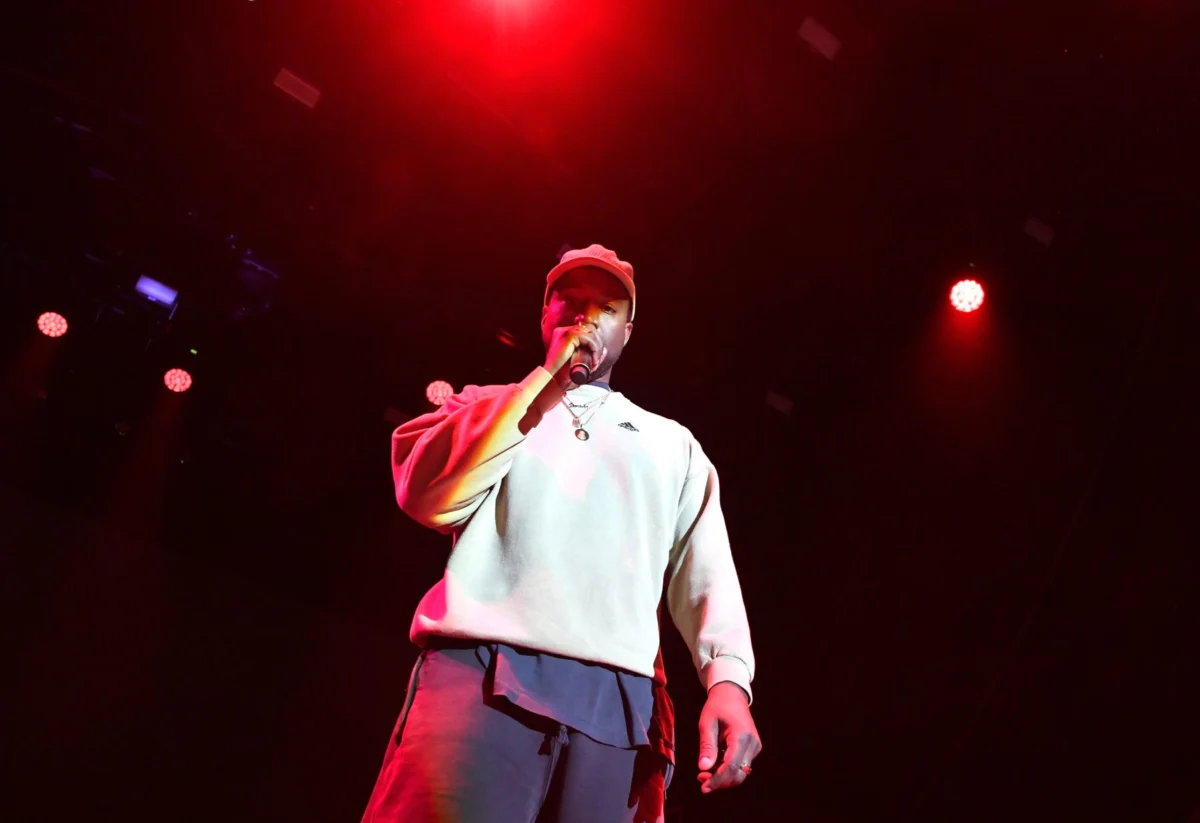
While a wave of cancellations and visa denials has disrupted the European leg of Ye’s international tour, the artist formerly known as Kanye West appears set to move forward with his scheduled performances in the Netherlands. Despite intense scrutiny from members of the Dutch Parliament and a vocal segment of the public, local and national authorities have signaled that the shows, slated for June 6 and June 8 at the Gelredome Stadium in Arnhem, will proceed as planned. The decision highlights a complex intersection of national security, freedom of expression, and the legal limitations placed on government officials regarding the personal history of international performers.
The controversy surrounding Ye’s arrival in the Netherlands follows a series of high-profile setbacks for the rapper in other European territories. Authorities in the United Kingdom recently denied the artist a travel visa, citing his history of antisemitic rhetoric, which led to the immediate cancellation of his appearance at London’s Wireless Festival. Simultaneously, a planned performance in Poland at the Silesian Stadium in Chorzów, originally scheduled for June 19, was officially scrapped on April 17. Furthermore, a show in Marseille, France, was postponed by the artist’s own team following significant backlash from French government officials who sought to ban him from the country.
The Legal Framework for Entry and Expression
The primary defense for allowing the Arnhem concerts rests on the Dutch government’s adherence to established legal protocols. Arnhem Mayor Ahmed Marcouch has been at the forefront of the debate, balancing his personal condemnation of Ye’s past remarks with his administrative duty to uphold the law. In a recent interview with the Dutch news outlet NRC, Marcouch emphasized that his role as mayor does not grant him the authority to act as a moral arbiter over cultural content.
"Within the framework of the law, the mayor should not pass judgment on the content of a cultural activity. That concerns freedom of expression," Marcouch stated. He clarified that the permit process for the two concerts is currently being evaluated based on objective criteria such as public safety, logistics, and order. According to the Mayor, if the organizing body meets the technical and safety requirements stipulated in the permit application, the city has a legal obligation to grant it.
This sentiment was echoed by Minister Van den Brink, who noted that there is currently no legal basis to prevent Ye from entering the Netherlands. Under Dutch law, an entry ban is typically reserved for individuals who pose an immediate threat to national security or public order. The Minister noted that while Ye’s past statements—including the promotion of a swastika-themed T-shirt and the release of a track titled "Heil Hitler"—are widely viewed as abhorrent, they do not automatically trigger a legal mechanism for exclusion unless a specific crime is committed on Dutch soil or there is a demonstrable threat of imminent violence.
Political Friction and the "Rule of Law"
The decision to allow the concerts has created a rift between the executive branch and members of Parliament. Several lawmakers have taken to social media platforms, specifically X (formerly Twitter), to demand that the government intervene. Mayor Marcouch, however, pointed out a fundamental irony in these demands. He argued that if members of Parliament find certain behaviors or rhetoric "undesirable," they possess the legislative power to change the laws rather than simply calling for arbitrary bans.
"Members of Parliament have the power to make laws, so instead of constantly posting all kinds of messages on X, they can also limit behavior they deem undesirable by law," Marcouch remarked. He further noted that in a constitutional state, citizens and visitors alike must be protected from the "arbitrariness" of authorities. He argued that banning an individual based solely on past actions in other countries, without a current legal violation, would set a dangerous precedent for the erosion of free speech and due process.
The Mayor’s stance is rooted in the principle that making racist or antisemitic statements is already a punishable offense in the Netherlands. However, he emphasized that the law requires a crime to be committed before a punishment can be levied. "He has to make them [the statements] first," Marcouch explained, adding that the Minister was correct in asserting that no legal basis exists for a preemptive ban based on the artist’s history.
A Chronology of Controversy and Recent Comebacks
The tension in the Netherlands is the latest chapter in a tumultuous period for Ye, whose career has been defined by a cycle of public outrage and commercial resilience. The current European tour follows several years of fallout from his increasingly erratic behavior and hate speech.

The Timeline of Recent Events:
- Late 2024 – Early 2025: Ye continues to face global condemnation for antisemitic remarks made during various media appearances.
- November 2025: In an apparent effort to mitigate the damage to his brand and international standing, Ye meets with a prominent rabbi to discuss his comments.
- January 2026: Ye issues a formal apology via The Wall Street Journal, specifically addressing the Jewish and Black communities.
- March 28, 2026: Ye releases his latest studio album, Bully. Despite the lack of traditional corporate backing, the album debuts at No. 2 on the Billboard 200, proving his continued commercial viability.
- April 1 & 3, 2026: The artist returns to the stage in the United States with two sold-out shows at SoFi Stadium in Los Angeles, demonstrating a successful, albeit controversial, return to live performance.
- April 17, 2026: Polish authorities and representatives for the Silesian Stadium confirm that the June 19 concert is canceled. On the same day, Dutch authorities reaffirm their commitment to the Arnhem shows.
The Global Tour and Economic Implications
Despite the setbacks in London and Poland, the Yeezy brand remains active. According to the official tour website, Ye still has a series of high-capacity shows scheduled throughout the remainder of the year. The itinerary includes stops in New Delhi, India; Istanbul, Turkey; various cities in Italy; Madrid, Spain; and Portugal.
For the city of Arnhem, the two shows at the Gelredome represent a significant economic event. The stadium, which has a capacity of approximately 34,000 for concert configurations, is expected to draw fans from across Western Europe, particularly given the cancellations in neighboring countries. The influx of tens of thousands of visitors provides a substantial boost to local hospitality, transport, and retail sectors. However, this economic benefit is being weighed against the potential for protests and the reputational risk to the city.
Safety and Public Order Concerns
While the legal right to perform is being upheld, the Arnhem municipality is not ignoring the potential for unrest. The permit processing phase mentioned by Mayor Marcouch involves rigorous consultations with police and security services. The primary concern is not the content of the lyrics, but the potential for clashes between supporters and protesters outside the venue.
Dutch security experts suggest that the "public order" clause of the permit is the only viable tool the city has to cancel the event. If intelligence reports suggest that the presence of the artist will lead to uncontrollable riots or a breakdown of civil order that the police cannot manage, the permit could technically be revoked. As of late April, however, no such threat level has been identified.
Broader Implications for the Music Industry
The situation in the Netherlands serves as a landmark case for the international music industry and the concept of "cancel culture" transitioning into "legal exclusion." While private entities like Adidas and various talent agencies have severed ties with Ye over the past two years, the Dutch government’s refusal to ban him highlights the limits of corporate and social pressure when faced with national laws regarding free expression.
The contrast between the United Kingdom’s visa denial and the Netherlands’ permissive stance illustrates the lack of a unified European policy regarding "controversial" public figures. While the UK utilizes a broad "public good" test for visa applicants, the Dutch system requires a more specific legal infringement or a direct threat to the state.
As June approaches, all eyes will be on Arnhem. The success or failure of these shows will likely influence how other European nations handle future requests from controversial figures. If the concerts proceed without incident, it will bolster the argument for the "rule of law" over political sentiment. If they result in significant public disorder, it may provide the very legal basis Dutch MPs are currently seeking to tighten restrictions on international performers with histories of hate speech.
For now, the Gelredome remains the stage for one of the most contentious cultural events of the year, as the Netherlands prepares to host an artist who remains as commercially dominant as he is socially polarizing.