Virginia Governor Abigail Spanberger has opted for a strategic middle ground regarding controversial legislation aimed at expanding affordable housing through religious and nonprofit institutions. Rather than exercising her veto power or granting immediate approval to the Faith in Housing Act, the Governor returned the bill to the General Assembly with a series of targeted recommendations. These amendments are designed to preserve the primary objective of the legislation—allowing faith-based organizations to develop affordable housing on their property by right—while addressing the technical and jurisdictional concerns raised by local governments.
The decision marks a pivotal moment in Spanberger’s young administration. Since taking office in January, the Governor has positioned housing affordability as a cornerstone of her policy agenda, recognizing the escalating cost of living as a primary concern for constituents across the Commonwealth. However, the path to reform has proven arduous. Earlier this year, a separate proposal to allow multifamily housing by right in commercially zoned areas was defeated following intense lobbying by municipal leaders. The Faith in Housing Act represents the second major attempt this session to tackle the state’s housing shortage by streamlining the bureaucratic hurdles that often stall or kill low-income housing projects.
The Legislative Context and the YIGBY Movement
The Faith in Housing Act is Virginia’s iteration of a growing national trend known as "Yes in God’s Backyard" (YIGBY). This movement seeks to leverage the significant land holdings of religious institutions—many of which sit on underutilized parking lots or aging ancillary facilities—to address the chronic shortage of affordable housing. By granting "by-right" development authority, the bill would allow these organizations to bypass the often lengthy and expensive rezoning process, provided the resulting units are designated for low-to-moderate-income residents.
If the bill becomes law, Virginia would join a select group of states, including California and Washington, that have enacted similar policies. The push for YIGBY legislation comes as Virginia faces a documented housing crisis. Recent data from the Virginia Housing Coalition suggests the state needs more than 200,000 additional affordable units to meet current demand. In high-growth regions like Northern Virginia, the Richmond metro area, and Hampton Roads, the gap between median wages and housing costs has widened significantly over the past decade, leading to increased homelessness and labor shortages in essential sectors like education and healthcare.
A Chronology of the Faith in Housing Act
The journey of the Faith in Housing Act began early in the 2024 legislative session, buoyed by a coalition of pro-housing advocates, interfaith organizations, and urban planners. The bill navigated both chambers of the General Assembly with relatively strong support from lawmakers who recognized the urgency of the housing shortage.
Following its passage in early April, the Governor’s office became a focal point for intense lobbying. On one side, the Virginia Municipal League and various county boards of supervisors urged a veto, arguing that the bill stripped local authorities of their power to manage land use and infrastructure planning. They expressed concerns that "by-right" development could lead to density levels that existing sewer, water, and transportation systems are not equipped to handle.
On the other side, organizations such as Virginians Organized for Interfaith Community Engagement (VOICE) and various housing nonprofits mounted a public campaign urging Spanberger to sign the bill. They argued that the existing rezoning process is often weaponized by "Not In My Backyard" (NIMBY) interests to block affordable projects, and that faith-based organizations are uniquely positioned to provide community-centered housing solutions.
Governor Spanberger’s move to recommend amendments serves as a tactical pause. By sending the bill back with specific changes, she avoids a direct confrontation with local governments while signaling to housing advocates that she remains committed to the bill’s core intent.
Detailed Analysis of the Governor’s Recommendations
Governor Spanberger’s amendments focus on operational feasibility, environmental stewardship, and the preservation of historic character. These changes are intended to mitigate the risks associated with rapid, unregulated development while maintaining the streamlined approval process that is the bill’s hallmark.
Infrastructure and Service Standards
One of the most significant changes involves the "infrastructure test." The original bill stipulated that a project could proceed by right if it was within 500 feet of existing water and sewer lines. Local governments criticized this as too rigid, noting that proximity does not always equal capacity. Spanberger’s amendment replaces this 500-foot rule with a broader "service-or-planned-service" standard. This allows local planners to ensure that the site is actually integrated into the municipality’s long-term infrastructure plans, preventing the strain on public utilities that might occur in more rural or underserved areas.
Environmental and Historical Protections
To address concerns that by-right development might bypass critical safeguards, the Governor added language reinforcing that all projects must comply with existing environmental, historic, and archaeological regulations. This includes adherence to the Chesapeake Bay Preservation Act and local historic district guidelines. By clarifying that these developments are subject to the same rigorous standards as any other project regarding siting and land disturbance, the amendments seek to protect Virginia’s natural and cultural resources.
Building Form and Height Flexibility
The original legislation allowed for significant flexibility in building height, often permitting new affordable housing units to match the height of the tallest building in the vicinity. Spanberger’s recommendations narrow this flexibility. Specifically, she proposed excluding buildings that were granted "special-exception" heights from the baseline comparison. Furthermore, the amendments grant historic districts more control, allowing existing local regulations to dictate maximum building heights within those specific boundaries. This move is seen as a concession to preservationists who feared that out-of-scale developments could undermine the character of Virginia’s historic neighborhoods.
Streamlining and Legal Certainty
A key provision in the Governor’s recommendations involves the concept of "substantial accord." Under the proposed changes, qualifying faith-based projects would be deemed "substantially in accord" with local comprehensive plans. This is a technical but vital legal distinction that limits the ability of opponents to file plan-consistency challenges, which are frequently used to delay affordable housing projects in court for years.
Consultation with State Resources
Finally, Spanberger urged religious and nonprofit landowners to consult with state housing resources, such as Virginia Housing (formerly VHDA), during the planning phases. While not a mandatory requirement, this recommendation encourages a collaborative approach, ensuring that small congregations with limited development experience have access to the financial and technical expertise needed to see a project through to completion.
Stakeholder Reactions and Public Sentiment
The reaction to the Governor’s amendments has been cautiously optimistic. Jessica Sarriot, a co-lead organizer for VOICE, indicated that while the amendments represent a compromise, they do not derail the mission. "The governor’s amendments make some narrow adjustments, and like most legislation, there’s still room for improvement," Sarriot told media outlets. "But this creates a strong foundation and we’re ready to move forward."
Local government representatives have also expressed a measured response. While many would have preferred a full veto, the inclusion of infrastructure capacity checks and historic district protections addresses some of their most pressing concerns regarding municipal autonomy.
Housing economists suggest that the "by-right" nature of the bill, even with the Governor’s tweaks, could significantly lower the "soft costs" of development. In Virginia, the rezoning process for an affordable housing project can cost hundreds of thousands of dollars in legal and consulting fees and take eighteen to twenty-four months to complete. By removing this barrier, the Faith in Housing Act could make many currently non-viable projects financially feasible.
Supporting Data: The Scale of the Opportunity
The potential impact of the Faith in Housing Act is underscored by the sheer volume of land owned by religious organizations in Virginia. According to a 2023 study by the Terner Center for Housing Innovation at UC Berkeley, which looked at similar trends across the U.S., faith-based organizations often own land in high-opportunity areas near transit and jobs—precisely where affordable housing is most needed.
In Virginia, land-use data indicates that there are thousands of acres of land currently zoned for religious use that are located within or near urban centers. If even a small percentage of these parcels were utilized for housing, it could result in the creation of 10,000 to 15,000 new affordable units over the next decade.
Furthermore, the need is undeniable. Data from the National Low Income Housing Coalition (NLIHC) shows that for every 100 extremely low-income renter households in Virginia, there are only 33 affordable and available rental homes. This deficit forces many families to spend more than 50% of their income on housing, leaving little for food, healthcare, or transportation.
Broader Implications and Next Steps
The General Assembly is scheduled to reconvene on April 22 to consider the Governor’s recommendations. Lawmakers have several options: they can accept the amendments by a simple majority, reject them and send the original bill back to the Governor, or fail to act, which would effectively kill the bill for the current session.
If the legislature accepts the changes, the Faith in Housing Act will become law, marking a significant victory for Spanberger’s housing agenda. It would demonstrate her ability to navigate the complex political landscape of Virginia, where the tension between state-level mandates and local "home rule" is historically high.
The broader implication of this legislation is a shift in how Virginia views land use. For decades, zoning has been used as a tool for exclusion. The YIGBY movement, and this bill specifically, represents a move toward "inclusionary" zoning, where the social mission of an organization—in this case, providing shelter—is given legal priority over traditional aesthetic or density concerns.
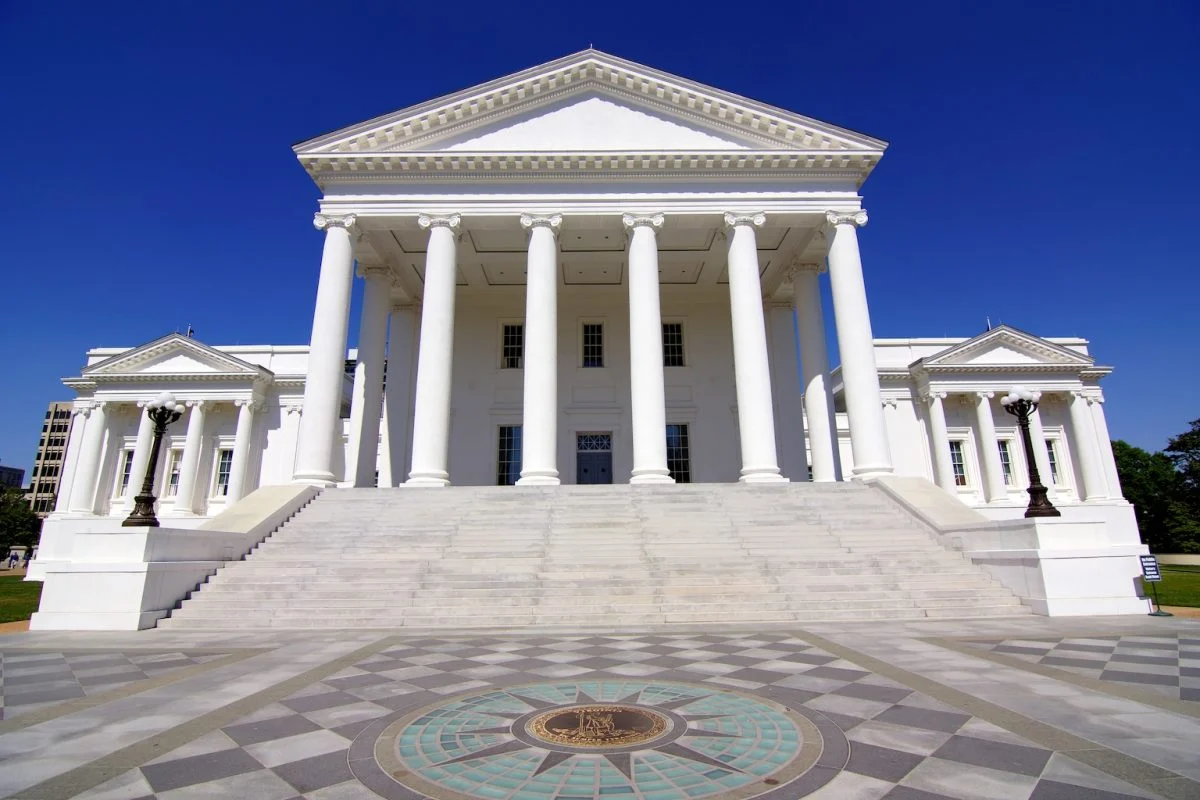
As the April 22 reconvene date approaches, all eyes will be on the state capitol. The fate of the Faith in Housing Act will not only determine the future of hundreds of potential housing units but will also serve as a litmus test for the Commonwealth’s willingness to adopt innovative, unconventional solutions to one of its most persistent and damaging social crises. Whether this "middle path" taken by Governor Spanberger will satisfy both the proponents of local control and the advocates for housing justice remains to be seen, but it has undoubtedly moved the conversation into a new, more pragmatic phase.