
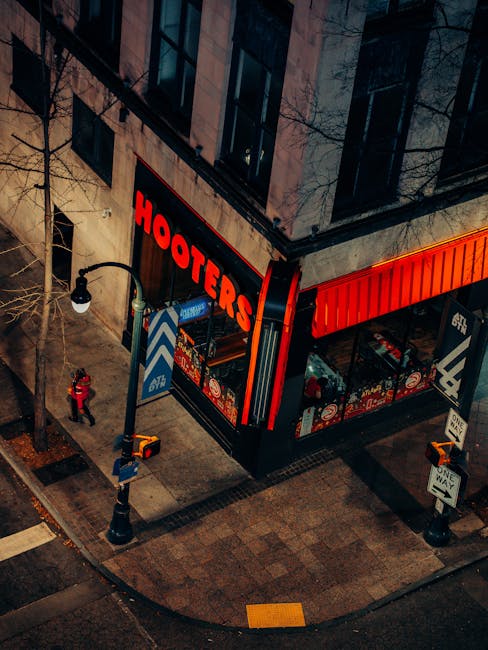
Hooters Restaurant: Navigating the Turbulent Waters of Potential Bankruptcy
The iconic Hooters restaurant chain, synonymous with its scantily clad servers and signature chicken wings, is facing a significant period of financial uncertainty, with whispers of potential bankruptcy filings growing louder. While the company has long cultivated a distinct brand identity, a confluence of evolving consumer preferences, increasing competition, and the lingering economic impacts of recent years has placed considerable strain on its business model. This article will delve into the multifaceted factors contributing to Hooters’ financial precariousness, explore the potential ramifications of a bankruptcy filing, and examine the strategic decisions the company might need to make to navigate these turbulent waters.
At the heart of Hooters’ financial challenges lies a fundamental shift in consumer dining habits. The traditional sports bar and casual dining experience, once a reliable revenue driver, is now competing with a far more diverse and dynamic landscape. Diners, particularly younger generations, are increasingly seeking out novel culinary experiences, healthier options, and more sophisticated ambiances. Hooters, with its established brand image rooted in a particular era, struggles to resonate with these evolving tastes. The emphasis on a singular aesthetic, while historically a strong differentiator, has become a potential liability in a market that prizes variety and authenticity. Furthermore, the rise of ghost kitchens and delivery-only services has disrupted the brick-and-mortar dining model, offering convenience and a wider array of choices that can bypass the traditional Hooters experience. This seismic shift necessitates significant investment in adapting to new delivery infrastructures and potentially reimagining the in-restaurant experience to offer more than just the familiar.
The competitive landscape Hooters operates within has also intensified dramatically. Beyond traditional casual dining chains, the brand now faces competition from a plethora of sports-focused establishments, craft breweries with extensive food menus, and even fast-casual restaurants that offer quick and affordable wing options. These competitors often appeal to a broader demographic, offering a wider range of menu items and catering to different occasions beyond the singular focus on sports viewing and a specific type of service. The proliferation of sports bars has meant that the niche Hooters once dominated is now a crowded marketplace, forcing the company to constantly innovate to maintain market share. Moreover, the casual dining sector as a whole has experienced significant headwinds, with many established chains struggling to adapt and remain relevant. This broader industry struggle exacerbates Hooters’ individual challenges, as economic downturns and shifting consumer spending patterns impact the entire sector.
The economic repercussions of recent global events, including the COVID-19 pandemic, have undeniably cast a long shadow over the restaurant industry, and Hooters is no exception. Extended periods of lockdown, social distancing mandates, and a general climate of economic uncertainty led to significant revenue losses for many establishments. While Hooters, like other businesses, implemented delivery and takeout options, these measures often failed to fully compensate for the loss of dine-in revenue, which is typically higher margin. Furthermore, the increased cost of goods, labor shortages, and rising operational expenses have squeezed profit margins across the board. The restaurant industry is notoriously sensitive to economic fluctuations, and the prolonged period of inflation and supply chain disruptions has made it increasingly difficult for businesses to maintain profitability. Hooters, with its franchise-heavy model, also faces the added complexity of supporting its franchisees through these challenging times, which can involve financial assistance and strategic guidance.
The operational model of Hooters, heavily reliant on its franchise system, presents both strengths and weaknesses when considering bankruptcy. While a franchise model can allow for rapid expansion and localized market penetration, it also introduces complexities in terms of standardization, quality control, and financial oversight. If Hooters were to file for bankruptcy protection, it would likely impact its network of franchisees significantly. Franchisees, who have invested heavily in their businesses, could face uncertainty regarding brand support, royalty payments, and the overall future of their agreements. A bankruptcy filing could lead to store closures, renegotiation of franchise agreements, or even a complete restructuring of the brand’s franchising strategy. The impact on individual franchisees would be a critical consideration for the parent company during any bankruptcy proceedings, as their success is intrinsically linked to the overall health of the Hooters brand.
A potential bankruptcy filing for Hooters could manifest in several forms, with Chapter 11 being the most likely scenario for a company of its size and structure. Chapter 11 bankruptcy allows a company to reorganize its debts and operations while continuing to operate, aiming to emerge from bankruptcy as a financially healthier entity. This process typically involves negotiating with creditors, potentially shedding underperforming assets or locations, and implementing a new business plan. However, the path to successful reorganization is fraught with challenges. It requires significant financial maneuvering, operational efficiencies, and a compelling vision for the future that can win over creditors and stakeholders. Without a clear strategy for adaptation and a demonstration of renewed viability, a Chapter 11 filing could simply be a precursor to liquidation.
The implications of a Hooters bankruptcy filing would extend beyond the financial statements. The brand’s iconic image, built over decades, is deeply ingrained in popular culture. A bankruptcy could tarnish this image, impacting customer perception and potentially deterring future investment. The "Hooters Girls" have been central to the brand’s identity, and any changes to this aspect, which might be necessitated by a restructuring, could alienate long-time patrons. Furthermore, the loss of a prominent restaurant chain could have a ripple effect on local economies, particularly in areas where Hooters restaurants are significant employers. Job losses, reduced tax revenue, and a diminished dining scene are all potential consequences.
To avert a bankruptcy filing or to successfully navigate a Chapter 11 reorganization, Hooters would likely need to undertake a series of bold and strategic decisions. Firstly, a comprehensive menu overhaul is essential. This would involve introducing a wider range of healthier options, incorporating more contemporary flavor profiles, and potentially experimenting with plant-based alternatives to appeal to a broader demographic. The current menu, while familiar, may be perceived as limited and dated by a significant portion of the dining public. Secondly, the in-restaurant experience requires significant modernization. This could involve updating décor, incorporating technology for ordering and payment, and creating a more versatile ambiance that can cater to different occasions beyond just watching a sports game. Creating themed nights, live music, or other engaging activities could draw in a wider range of customers.
Furthermore, Hooters needs to embrace and invest heavily in its digital presence and delivery infrastructure. This means optimizing its online ordering platform, partnering with third-party delivery services, and potentially exploring ghost kitchen models for targeted delivery zones. The convenience of at-home dining is a permanent fixture of the modern consumer, and Hooters cannot afford to lag behind in this area. Diversifying revenue streams beyond the dine-in experience is crucial for long-term sustainability.
The brand’s marketing and advertising strategies also require a critical re-evaluation. While the established image has served Hooters for years, a more inclusive and forward-thinking approach to marketing might be necessary to attract new customer segments. This could involve highlighting menu innovation, community engagement, or even exploring partnerships with influencers who can authentically connect with a younger audience. The current marketing, while recognizable, may no longer be sufficient to cut through the noise of a saturated market.
Finally, Hooters must address the financial health of its franchise network. This may involve providing more robust support, offering financial incentives for modernization, or even divesting from underperforming franchise locations to focus resources on more viable operations. The success of the parent company is directly tied to the success of its franchisees, and a collaborative approach to financial recovery will be paramount. The possibility of a strategic acquisition or merger with a larger, more diversified restaurant group cannot be discounted as a potential lifeline, offering access to capital and broader operational expertise. The future of Hooters hinges on its ability to adapt, innovate, and demonstrate a clear path towards renewed profitability in a rapidly evolving restaurant industry. The specter of bankruptcy, while a serious concern, may also serve as a catalyst for the radical changes necessary for survival.
