
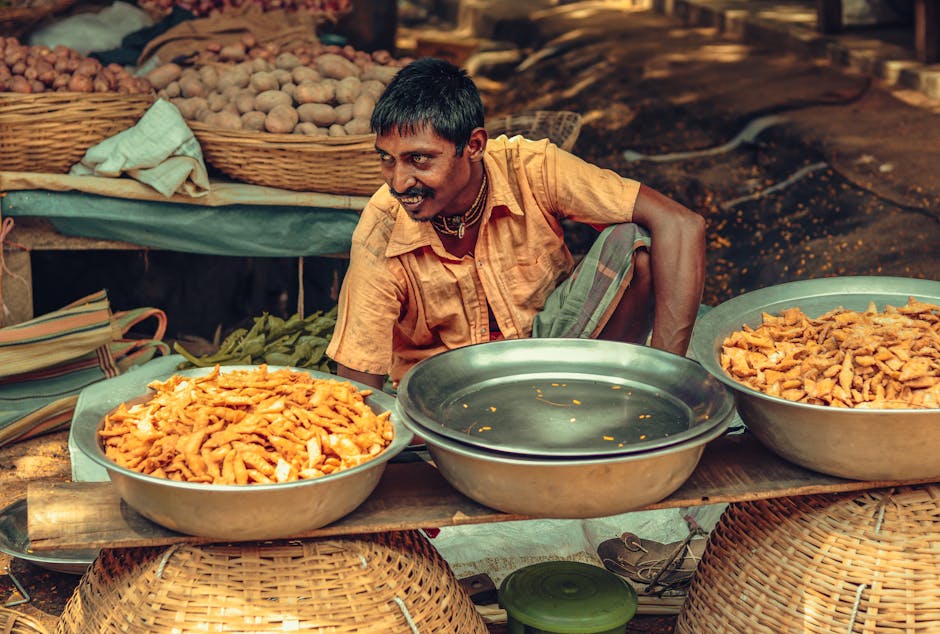
Viral Video: Karnataka Street Food Vendor Sells Healthy Millet Snack, Impresses Internet
A recent viral video originating from Karnataka has captured the attention of the internet, not for outlandish stunts or sensationalism, but for the simple yet profound offering of a street food vendor: a healthy, delicious millet snack. The clip, rapidly accumulating views and shares under the identifier "216604," showcases a bustling Karnataka street scene, where a vendor is meticulously preparing and serving a snack crafted primarily from millets. This humble offering has resonated deeply, sparking a wave of appreciation for traditional, nutritious food and the ingenuity of local entrepreneurs. The video’s virality is a testament to the growing global interest in health-conscious eating, sustainable agriculture, and the authentic flavors of regional Indian cuisine.
The vendor, whose identity is not the primary focus but whose skill and dedication are evident, is seen transforming a variety of millets – likely including finger millet (ragi), foxtail millet (navane), and pearl millet (bajra) – into a visually appealing and aromatic snack. The preparation involves a masterful blend of traditional techniques and a clear understanding of flavor profiles. Ingredients such as freshly grated coconut, jaggery (unrefined cane sugar), and a medley of spices are expertly incorporated, creating a dish that is both wholesome and flavorful. The absence of processed ingredients, artificial colors, and excessive oil stands out, particularly in contrast to many commonly found street food options. This emphasis on natural, wholesome components is a key reason behind the snack’s widespread appeal and the positive online reaction.
Millets, the star ingredient, are ancient grains that have been cultivated for millennia in India. They are renowned for their exceptional nutritional value. Unlike refined grains like white rice or refined wheat flour, millets are whole grains, retaining their bran and germ, which are rich in fiber, vitamins, and minerals. They are a good source of complex carbohydrates, providing sustained energy release, and are naturally gluten-free, making them an excellent option for individuals with celiac disease or gluten sensitivity. Furthermore, millets are packed with essential micronutrients such as iron, magnesium, phosphorus, and B vitamins. Their high fiber content aids in digestion, promotes satiety, and can contribute to better blood sugar management, making them a valuable addition to any diet, especially for those seeking to reduce their intake of processed foods.
The vendor’s commitment to using millets aligns perfectly with the burgeoning global health and wellness trend. Consumers worldwide are increasingly seeking out foods that are not only delicious but also contribute positively to their well-being. This has led to a resurgence of interest in ancient grains and forgotten superfoods. Millets, once a staple in Indian households, had somewhat fallen out of favor with the Green Revolution and the subsequent emphasis on wheat and rice. However, their remarkable health benefits are now being rediscovered and celebrated. The Karnataka vendor, by offering a delectable millet-based snack on the streets, is effectively bridging the gap between traditional knowledge and modern dietary preferences. The video "216604" serves as a powerful endorsement of this movement, highlighting how simple, accessible food can be both healthy and incredibly satisfying.
The street food culture of India is incredibly diverse, offering a kaleidoscope of flavors and textures. While often associated with indulgent, sometimes unhealthy, options, the emergence of vendors like this millet snack seller demonstrates a parallel evolution towards healthier alternatives. This vendor’s success underscores the fact that nutritious food doesn’t have to be expensive or confined to specialty health food stores. It can be readily available, affordable, and enjoyed by everyone. The visual appeal of the snack in the video, with its vibrant colors and tempting presentation, further dismantles the misconception that healthy food is bland or unappetizing. The combination of visual appeal, perceived health benefits, and the accessibility of street food is a potent recipe for virality.
The economic implications of this viral phenomenon are also noteworthy. For small-scale street vendors, a viral video can translate into a significant boost in business. Increased visibility can attract a wider customer base, including tourists and urban dwellers who may not have previously encountered such offerings. This not only benefits the individual vendor but also contributes to the local economy and supports the continuation of traditional culinary practices. The popularity of this millet snack could inspire other vendors to explore and promote healthier food options, further diversifying the street food landscape and catering to a more health-conscious public. The potential for this trend to grow and influence wider food consumption patterns is substantial.
The online reaction to the video "216604" has been overwhelmingly positive. Comments sections are flooded with praise for the vendor’s initiative, the perceived healthfulness of the snack, and the deliciousness implied by its appearance. Many users express a desire to visit Karnataka to try the snack themselves, highlighting its aspirational quality. The video has also sparked discussions about the importance of preserving and promoting traditional Indian food heritage. It serves as a reminder that many of the answers to contemporary dietary challenges lie in the wisdom of our ancestors and the sustainable practices they employed. The virality of this particular video suggests that a significant portion of the online population is actively seeking out such authentic and health-affirming culinary experiences.
The use of millets also has significant environmental implications. Millets are known for their resilience and ability to thrive in arid and semi-arid conditions with minimal water requirements, making them a more sustainable crop compared to water-intensive grains like rice. They are also less susceptible to pests and diseases, often requiring fewer pesticides. Promoting the consumption of millets, therefore, not only benefits individual health but also supports agricultural practices that are more environmentally friendly and resilient to climate change. The vendor’s choice of ingredients, therefore, carries an implicit message of sustainability, which further resonates with an increasingly eco-conscious consumer base.
The virality of this Karnataka street food vendor’s millet snack, identified by "216604," is a multifaceted phenomenon. It is a celebration of healthy eating, a testament to the enduring appeal of traditional Indian cuisine, and a recognition of the entrepreneurial spirit of local vendors. It demonstrates that delicious, nutritious food can be found in the most unexpected places, accessible to everyone. As more such videos gain traction, it is likely that the demand for wholesome, traditional food options will continue to grow, influencing both consumer choices and the broader food industry. This viral moment is more than just a fleeting internet trend; it represents a significant shift in how people perceive and value their food, prioritizing health, authenticity, and sustainability. The success of this humble millet snack offers a potent reminder of the power of simple, well-prepared food to capture imaginations and inspire positive change.
The accessibility of this millet snack is a crucial element contributing to its viral appeal. Unlike exclusive health food products or elaborately presented dishes, this vendor’s offering is situated within the familiar and affordable ecosystem of street food. This democratic nature makes the concept of healthy eating feel attainable and less intimidating for a wider audience. The video effectively showcases how one can enjoy a delicious and guilt-free treat amidst the everyday hustle and bustle of a street market. This relatability is a powerful driver of engagement and sharing online, as viewers see themselves potentially experiencing the same culinary delight.
The cultural significance of millets within Karnataka and wider South India cannot be overlooked. Finger millet (ragi) has a long history of consumption in these regions, often prepared in the form of rotis, dosas, and porridge. The vendor’s adaptation of these traditional grains into a new, appealing snack format taps into this ingrained cultural familiarity while offering a fresh perspective. This fusion of tradition and innovation is a key reason why the snack resonates so strongly, appealing to both those who grew up with millets and those who are encountering them for the first time. The video thus acts as a cultural ambassador, showcasing the richness and adaptability of regional Indian food traditions.
Furthermore, the visual storytelling within the video plays a critical role. The close-up shots of the ingredients, the meticulous preparation process, and the vendor’s skillful hands create an immersive experience for the viewer. The vibrant colors of the millets, the fresh produce, and the glistening jaggery draw the audience in, evoking sensory responses that transcend the limitations of a digital screen. This attention to detail in the video’s production amplifies the attractiveness of the snack and contributes significantly to its shareability. The online community’s positive reinforcement of these visual elements further solidifies the snack’s desirability.
The economic empowerment aspect of street food vendors is also a point of admiration highlighted by the video. These individuals often operate with limited resources but possess immense skill and a deep understanding of their craft. The viral success of this vendor underscores the potential for small businesses to achieve significant reach and impact through digital platforms. It encourages a broader appreciation for the hard work and dedication of informal sector workers, whose contributions are vital to the fabric of urban economies. The "216604" identifier, while seemingly mundane, becomes a symbol of this vendor’s achievement and the broader potential for individual success through culinary entrepreneurship.
In conclusion, the viral video of the Karnataka street food vendor selling a healthy millet snack (216604) is a compelling narrative that encapsulates several important trends: the global demand for nutritious food, the resurgence of ancient grains, the enduring appeal of authentic street food, and the power of digital media to amplify positive stories. It serves as an inspiring example of how traditional ingredients, combined with culinary expertise and entrepreneurial spirit, can capture the imagination of millions, promoting healthier lifestyles and celebrating the rich tapestry of Indian cuisine. The continued interest in this story highlights a growing conscious consumerism that values both personal well-being and the sustainability of our food systems.
