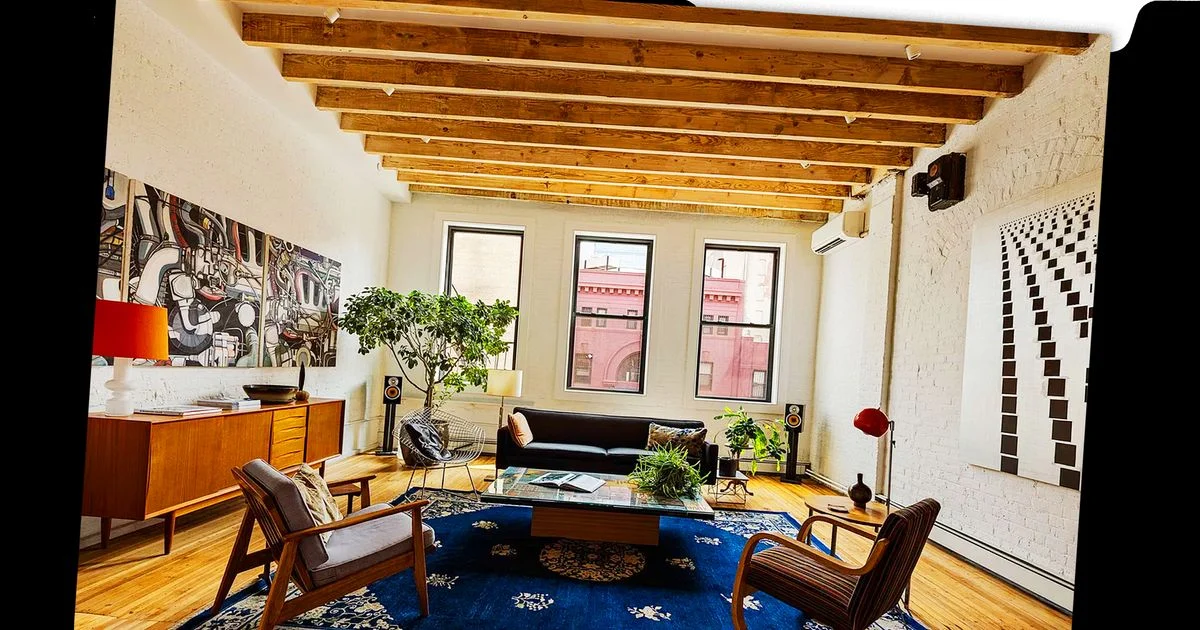
Navigating the New York City residential real estate market has historically been an exercise in endurance, but current economic and inventory conditions have compounded the challenge to unprecedented levels. Across Manhattan and the outer boroughs, prospective renters and buyers face severe supply constraints, with standard studio apartments commanding monthly rents well into the thousands and drawing extensive lines of applicants at open houses. To provide a comprehensive overview of the current market landscape, industry analysts and housing market trackers regularly compile notable availability listings, balancing architectural highlights with the stark financial realities of urban living.
Current Market Dynamics and Inventory Pressures
The broader New York City housing market continues to grapple with a persistent supply-demand imbalance. Industry data from late 2026 indicates that two-bedroom rental units routinely surpass $4,000 per month, while equivalent properties for purchase regularly exceed $1.5 million. In Brooklyn neighborhoods such as Crown Heights and Bed-Stuy, single-family townhouses and brownstones frequently hover around the $2 million valuation threshold.
These figures reflect ongoing macroeconomic pressures, including elevated interest rates that have kept potential sellers locked into lower mortgage rates, thereby stifling inventory turnover. Consequently, buyers and renters alike are forced to make significant compromises regarding location, square footage, and property condition. Real estate economists note that while buyer demand remains resilient, the high cost of capital has introduced a layer of cautious deliberation, often lengthening the timeline for properties to move from listing to contract.
Brooklyn Rentals: Character Meets Compromise
In Brooklyn, the rental market offers a diverse array of historic properties, though often accompanied by idiosyncratic layouts and premium price points.
At 213 Hancock Street, a studio apartment listed at $2,750 per month showcases a turn-of-the-century decorative fireplace. While such ornate architectural features consume valuable floor space, they remain highly sought after by tenants prioritizing historic character. Nearby, on Macon Street, a one-bedroom unit listed at $2,900 per month presents a contrasting layout, requiring prospective tenants to navigate a compact kitchen before entering a sunlit, parquet-floored living area.
Further east on Greene Avenue, a floor-through one-bedroom apartment is available for $3,850 per month, offering wide-plank flooring and updated kitchen appliances. Meanwhile, larger configurations, such as a three-bedroom duplex on Bainbridge Street listed at $5,500 per month, illustrate the compromises inherent in the outer-borough rental market; despite offering substantial square footage in a traditional brownstone setting, lingering vacancies on such units are frequently attributed by market observers to outdated interior finishes, particularly in bathrooms.
Manhattan Listings: Prewar Prestige and Architectural Oddities
Manhattan inventory continues to command a significant premium, driven by the enduring appeal of prewar architecture, doorman services, and proximity to major transit corridors.
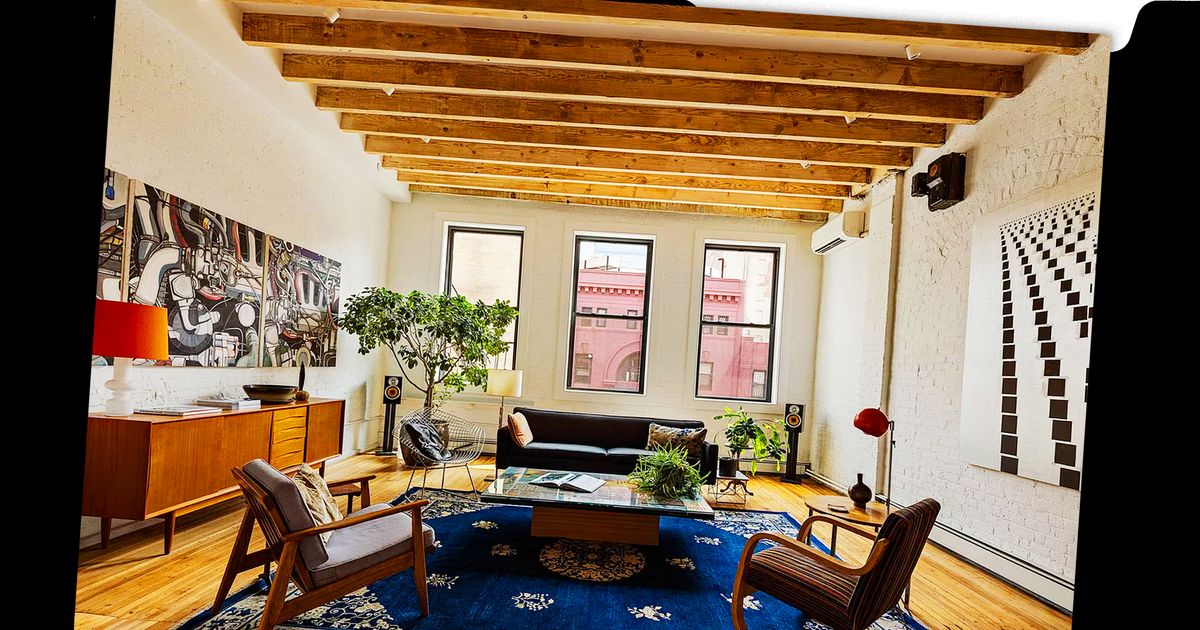
In Washington Heights, a one-bedroom rental at 867 West 181st Street is priced at $2,600 per month, though real estate marketers note that evening listing photographs may underrepresent the apartment’s daytime lighting conditions. Nearby on Bennett Avenue, a two-bedroom unit listed at $3,450 per month features a classic sunken living room, an architectural layout that consistently attracts strong interest from prospective renters.
Midtown and Upper West Side listings reflect the higher end of the rental spectrum. A one-bedroom apartment at 47 West 84th Street, commanding $3,600 per month, successfully blends original prewar moldings with modernized bathrooms featuring terra-cotta tiling. Along Riverside Drive, a one-bedroom in an elevator and doorman building at number 265 lists for $4,750 per month, offering standard prewar stability. However, larger units, such as a two-bedroom at 2586 Broadway priced at $6,100 per month, lack modern conveniences like in-unit laundry facilities, forcing tenants to weigh historic charm against practical utility. At the apex of the rental market, a three-bedroom apartment on West End Avenue commands $8,000 per month, catering to tenants for whom location and square footage supersede the condition of interior finishes.
For-Sale Properties: From Gilded Age Mansions to Architectural Anomalies
The sales market mirrors the rental sector’s dichotomy between historic preservation and modern developer aesthetics.
On West End Avenue, a three-bedroom cooperative unit priced at $1.65 million features double-height ceilings and parquet floors, retaining its architectural integrity. In Cobble Hill, a converted church on Hicks Street houses a two-bedroom unit listed at $1.75 million following a recent $46,000 price reduction. While the property retains strong structural bones and casement windows, interior updates reflect contemporary development trends.
More eccentric properties populate the downtown market, such as a two-bedroom residence at 712 Broadway listed at $3.4 million. Heavily characterized by exposed brick and subterranean design elements, the property highlights the eclectic nature of Noho real estate. In contrast, historic properties like a four-bedroom home at 1094 Park Place, listed at $3.495 million, showcase Gilded Age details—including mahogany built-ins and stained-glass windows—that have largely survived contemporary cosmetic renovations.
High-End Acquisitions and Architectural Preservation
At the ultra-luxury tier of the market, properties often serve as architectural restoration projects or statements of classical grandeur.
A townhouse at 266 West 71st Street offers four bedrooms, four-and-a-half bathrooms, and 3,520 square feet of interior space, providing buyers with an extensive canvas for historic preservation. Conversely, units within renowned buildings like the Apthorp—such as a two-bedroom cooperative priced above $4 million with mandatory monthly maintenance fees exceeding $3,500—cater to buyers seeking neoclassical aesthetics, complete with Corinthian columns, gold-leafed ceilings, and comprehensive building staff.
Implications for the Urban Housing Sector
The ongoing trends in New York City real estate underscore the persistent friction between housing demand and structural supply limitations. As rental prices remain elevated and purchase thresholds stay out of reach for a significant portion of the workforce, policymakers, urban planners, and real estate developers face mounting pressure to address affordability. Whether through legislative incentives for new construction or targeted programs to preserve existing affordable housing stock, the trajectory of the city’s housing market remains a critical factor in maintaining urban economic diversity and workforce retention.