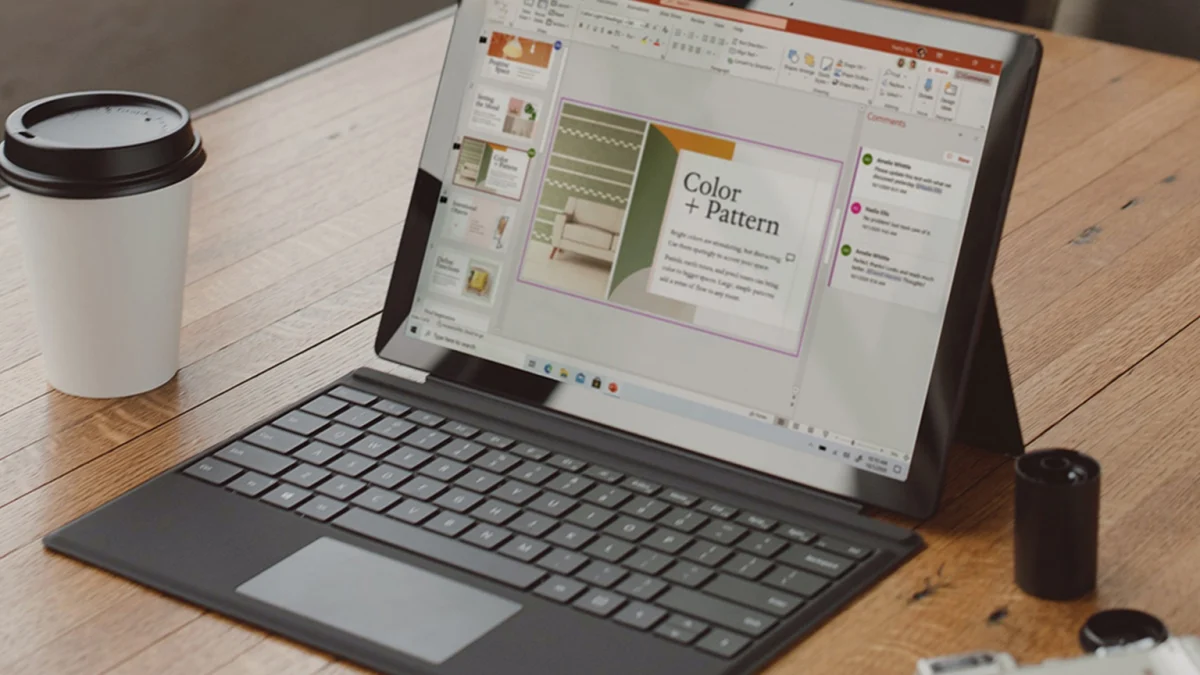
The digital software marketplace has witnessed a profound shift over the past decade, moving away from perpetual licenses toward recurring subscription models. For millions of consumers and small business owners, this transition has meant a steady accumulation of monthly or annual fees just to maintain access to essential productivity tools. Amid growing consumer fatigue over subscription models, a significant promotional window is closing for those seeking an alternative. Microsoft Office Professional 2021 for Windows is currently available through a limited-time flash sale for $27.97, marking a drastic reduction from its standard retail price of $219.99. This promotion concludes at midnight, offering users a rare opportunity to secure a lifetime license without the burden of ongoing renewal costs.
Understanding the Shift to Subscription Models
To fully contextualize the value proposition of a lifetime software license in the modern era, one must examine the broader evolution of the software industry. For decades, companies like Microsoft distributed their flagship productivity suites through traditional retail channels. Customers purchased a compact disc or digital installer, paid a single upfront fee, and owned that specific iteration of the software indefinitely. While newer versions were eventually released, users were under no obligation to upgrade unless new features specifically justified the cost.
Around 2011, Microsoft introduced Office 365—subsequently rebranded as Microsoft 365—marking a strategic pivot toward cloud-based, subscription-driven services. This model offered distinct advantages for the corporation, including predictable, recurring revenue streams, seamless integration with cloud storage via OneDrive, and the ability to deliver continuous feature updates rather than waiting years for major version releases.
However, the reception among end-users has been mixed. While enterprises and heavy collaborators often benefit from cloud synchronization and multi-device deployment rights, individual users, freelancers, and small businesses frequently express frustration over perpetual billing. Over the lifespan of a multi-year subscription, the cumulative cost of maintaining access to Word, Excel, PowerPoint, and Outlook often far exceeds the price of traditional standalone software. Consequently, discounted perpetual licenses, such as Office 2021, have emerged as highly sought-after commodities for budget-conscious consumers who require core productivity tools without the entangled ecosystem of cloud services.
Anatomy of the Microsoft Office 2021 Suite
A common concern among buyers encountering steep discounts on enterprise software is whether the product in question represents a stripped-down, inferior version of the software. Industry analysts note that promotional codes and secondary-market keys often spark skepticism regarding authenticity and functionality.
However, the Microsoft Office Professional 2021 suite offered in this promotion is the full, uncompromised pro-level toolkit designed specifically for Windows PCs. Unlike web-only or mobile-restricted editions, this is a comprehensive desktop installation. Once downloaded and activated via a one-time product key, the software operates locally on the machine, ensuring uninterrupted access even without an active internet connection.
The suite encompasses the core applications that have served as the backbone of modern corporate and academic environments for decades:
- Microsoft Word: The industry-standard word processor utilized for drafting reports, resumes, academic papers, and professional documentation, equipped with advanced proofing, formatting, and collaboration features.
- Microsoft Excel: The ubiquitous spreadsheet application relied upon by financial analysts, data scientists, and administrative professionals for complex calculations, data visualization, pivot tables, and macro automation.
- Microsoft PowerPoint: The premier presentation software enabling users to design dynamic slideshows complete with multimedia integration, transitions, and professional design templates.
- Microsoft Outlook: The comprehensive email, calendar, and task management client designed to streamline professional correspondence and schedule organization.
- Microsoft Access: A robust relational database management system that allows advanced users and small businesses to store, query, and analyze large volumes of structured data.
- Microsoft Publisher: A desktop publishing application tailored for creating marketing materials, newsletters, brochures, and greeting cards.
By securing these applications through a lifetime license, users insulate themselves against future price hikes, account verification issues, and unexpected billing cycles.
Logistics, Delivery, and Activation Mechanics
The mechanics behind acquiring and deploying discounted software licenses have evolved significantly alongside e-commerce platforms. Rather than shipping physical media, modern digital distributors rely on instant license delivery systems. Upon completing the transaction, buyers receive a unique product activation key alongside secure download links directly to their email or account dashboard.
This digital-first fulfillment model minimizes overhead costs for vendors like StackSocial, allowing them to pass substantial savings directly to consumers. The activation process itself is designed to be streamlined: users uninstall any conflicting trial versions of Microsoft Office already present on their Windows PC, run the official installer provided in the purchase instructions, and input the verified product key to unlock the complete suite.
Furthermore, technical support is typically bundled into the purchase price, ensuring that buyers encountering installation roadblocks or activation errors can access troubleshooting assistance. This operational framework bridges the gap between enterprise-grade software acquisition and consumer-friendly pricing.
Market Implications and Economic Context
The persistence of secondary-market software sales and deep promotional discounts on older perpetual iterations of Microsoft Office highlights an ongoing tension in the software economy. While Microsoft actively encourages its user base to migrate toward cloud-centric subscriptions, a substantial segment of the global market remains committed to local, offline-capable productivity tools.
Economic pressures, particularly inflation and tightening household budgets, have heightened consumer sensitivity to recurring monthly expenses. Subscriptions for streaming services, cloud storage, software utilities, and productivity suites can collectively amount to a significant annual expenditure. As a result, consumers are increasingly conducting audits of their digital subscriptions, actively seeking opportunities to "cut the cord" on software that does not strictly require cloud connectivity for its core functions.
Industry observers suggest that while Microsoft will likely continue its strategic emphasis on cloud services for enterprise clients, the demand for standalone licenses will persist for the foreseeable future. Small businesses operating in low-connectivity environments, privacy-conscious individuals reluctant to store sensitive documents in cloud repositories, and cost-conscious students represent a resilient market segment for products like Office 2021.
Final Considerations Before Purchase
As the midnight deadline approaches for this promotional window, prospective buyers must evaluate their specific technological requirements. Office Professional 2021 is licensed for a single Windows PC, meaning it cannot be simultaneously transferred across multiple computers or utilized on macOS without purchasing a distinct Mac-compatible license. Additionally, while the software receives crucial security patches and bug fixes from Microsoft, it will not receive the major functional updates deployed exclusively to Microsoft 365 subscribers.
For users who prioritize stability, predictable budgeting, and a comprehensive suite of offline productivity applications without the encumbrance of recurring fees, the current offering presents a compelling financial argument. By capitalizing on deep retail discounts before they expire, consumers can secure professional-grade tools at a fraction of their original cost, permanently altering their relationship with software expenditures.