The global film industry is currently navigating a profound transformation, moving away from the post-pandemic era of "theatrical doom" toward a specialized, high-engagement model driven by a younger generation of moviegoers. For years, the prevailing narrative surrounding independent cinema was one of terminal decline. As the COVID-19 pandemic shuttered doors and accelerated the dominance of streaming platforms, the traditional arthouse audience—historically comprised of older, affluent demographics—seemed to vanish. However, as the industry gathers at international forums like the Costa Rica Media Market, a new consensus is emerging: the arthouse is not dying, but it is being radically rebuilt by a youth-led cinephilia that prioritizes community, curation, and event-based experiences.
Charlie Sextro, the Senior Vice President of Acquisitions and Business Development at Utopia Distribution, recently addressed this shift, outlining a strategic pivot for the company that reflects the broader volatility of the American independent market. Sextro, a veteran of the industry who served as the Sundance Film Festival’s senior film programmer and curator for over a decade before joining Utopia in early 2025, describes the current landscape as a period of creative destruction. According to Sextro, the traditional methods of connecting films with audiences have fractured, requiring distributors to abandon "old school" volume-based strategies in favor of bespoke, labor-intensive release cycles.
The Evolution of the Arthouse Demographic
The collapse of the pre-pandemic theatrical model was largely attributed to the disappearance of the "silver cinema" audience—older viewers who were the bedrock of foreign language and independent film revenue. While these viewers have been slow to return to theaters, their absence has been mitigated by the rise of a fervent, digitally native generation of film fans. This new wave of cinephilia is characterized by its reliance on social media discovery, internet archives, and the social film-tracking platform Letterboxd, which has seen its user base explode in recent years.
In major metropolitan hubs across the United States and internationally, repertory screenings and special 35mm presentations are increasingly populated by Gen Z and Millennial audiences. This demographic does not view cinema as a passive activity but as a social event and a badge of cultural identity. Sextro noted that this shift is the fulfillment of a long-held industry dream: a young generation driving the success of independent and experimental film. This "fandom-driven" approach is what currently provides the most significant traction in an otherwise crowded marketplace.
A Strategic Pivot: From Volume to Eventization
In response to these market shifts, Utopia Distribution has announced a significant reduction in its annual release slate. While the company previously maintained a steady output of nine to ten films per year, it will now focus on only four to five high-priority titles. This "quality over quantity" approach is designed to allow the distributor to dedicate maximum resources to "eventizing" each release.

The logic behind this pivot is rooted in the failure of the traditional review-driven model. Historically, a small indie film could survive on positive critical reception and a modest theatrical footprint. Today, however, critical acclaim is often insufficient to cut through the noise of the streaming era. To counter this, Utopia is adopting a "roadshow" style of distribution—a complicated and resource-heavy method that many competitors avoid.
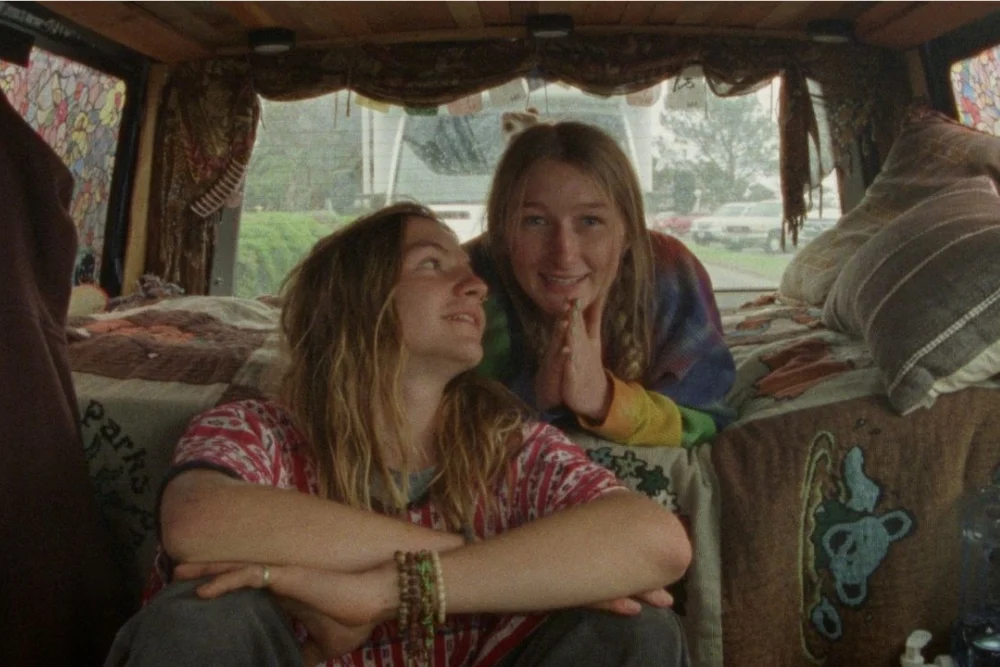
A primary example of this strategy is Utopia’s handling of the documentary Summer Tour, produced by Chloe Sevigny and directed by Mischa Richter. Rather than a standard theatrical rollout, Utopia toured the film—which follows fans of The Grateful Dead—across various music venues for six weeks prior to its general release. Each screening was paired with a 90-minute live performance by the Grateful Dead cover band featured in the film. This approach served two purposes: it generated immediate revenue through ticket sales at non-traditional venues and built a grassroots marketing campaign that fueled interest for the subsequent arthouse run. By the time the film reached traditional theaters, it already possessed a built-in momentum that a standard marketing budget could not have purchased.
The Collapse of the VOD and Streaming Safety Net
The necessity for such creative theatrical strategies is exacerbated by a crisis in the secondary markets. For decades, independent distributors relied on Video-on-Demand (VOD) sales and lucrative licensing deals with major streaming platforms like Netflix, Amazon, and Apple to recoup their investments. That safety net has effectively disintegrated.
Sextro revealed that in the past year, major streamers have largely abandoned the acquisition of smaller independent and arthouse films, labeling them "too small" for their platforms. This shift in corporate strategy has removed a vital source of capital from the independent ecosystem. Furthermore, the "discovery" element of platforms like Amazon and Apple has diminished; without significant promotional backing, arthouse titles are frequently buried under a deluge of algorithmic content. As VOD and rental revenues continue to shrink annually, the theatrical experience has regained its status as the primary engine for both revenue and cultural relevance.
Tapping into the Latin American and Spanish-Language Market
As part of its search for "passionate" audiences, Utopia is increasingly looking toward the Spanish-language market. During his appearance at the Costa Rica Media Market, Sextro emphasized the massive, untapped potential for Latin American cinema within the United States. Data suggests that Spanish-language-driven audiences represent some of the highest percentages of ticket buyers in major U.S. markets, yet they remain underserved by mainstream independent distributors.
Utopia’s presence in Costa Rica signals an "agnostic" approach to acquisitions, where the language or country of origin is secondary to the film’s ability to inspire a dedicated fandom. Sextro noted that the company is actively seeking filmmakers who can act as partners in the release process. In the current climate, a filmmaker’s vision must extend beyond the screen; they are increasingly required to assist in the creative marketing and "eventization" of their work, utilizing their years of intimate knowledge of the project to help identify and engage niche communities.

The Broader Implications for the Film Industry
The challenges faced by Utopia are emblematic of a broader restructuring of the global film economy. The "middle-class" film—the mid-budget drama or indie comedy—is currently the most endangered species in the cinematic woods. As the industry moves toward a "blockbuster or bust" mentality at the studio level, independent distributors are forced to become more nimble, more specialized, and more community-oriented.
The implications of this shift are twofold:
- The Death of the Passive Release: The days of "putting a well-reviewed film in theaters" and hoping for the best are over. Every release must now be treated as a unique campaign with its own specific ecosystem.
- The Rise of the Curator: Distributors are transitioning from mere "middlemen" to curators and event planners. The value they provide to a filmmaker is no longer just a path to a theater screen, but the ability to build a cultural moment around a piece of art.
While the "destruction" of the old ways is painful for many legacy players, the rebuilding phase offers a glimmer of optimism. The emergence of a young, dedicated, and digitally savvy audience suggests that the appetite for challenging, diverse, and independent stories is higher than ever. The struggle, as Sextro noted, is not a lack of great movies or a lack of an audience, but a failure of the traditional "connective tissue" between the two.
As Utopia and other boutique distributors refine their roadshow models and event-driven strategies, the future of the arthouse may look less like a quiet library and more like a vibrant, traveling festival. In this new landscape, success is measured not just by box office numbers, but by the depth of engagement and the longevity of the fandom created. For the independent film world, the "dream" of a youth-driven revival is no longer a distant hope—it is the new foundation of the business.