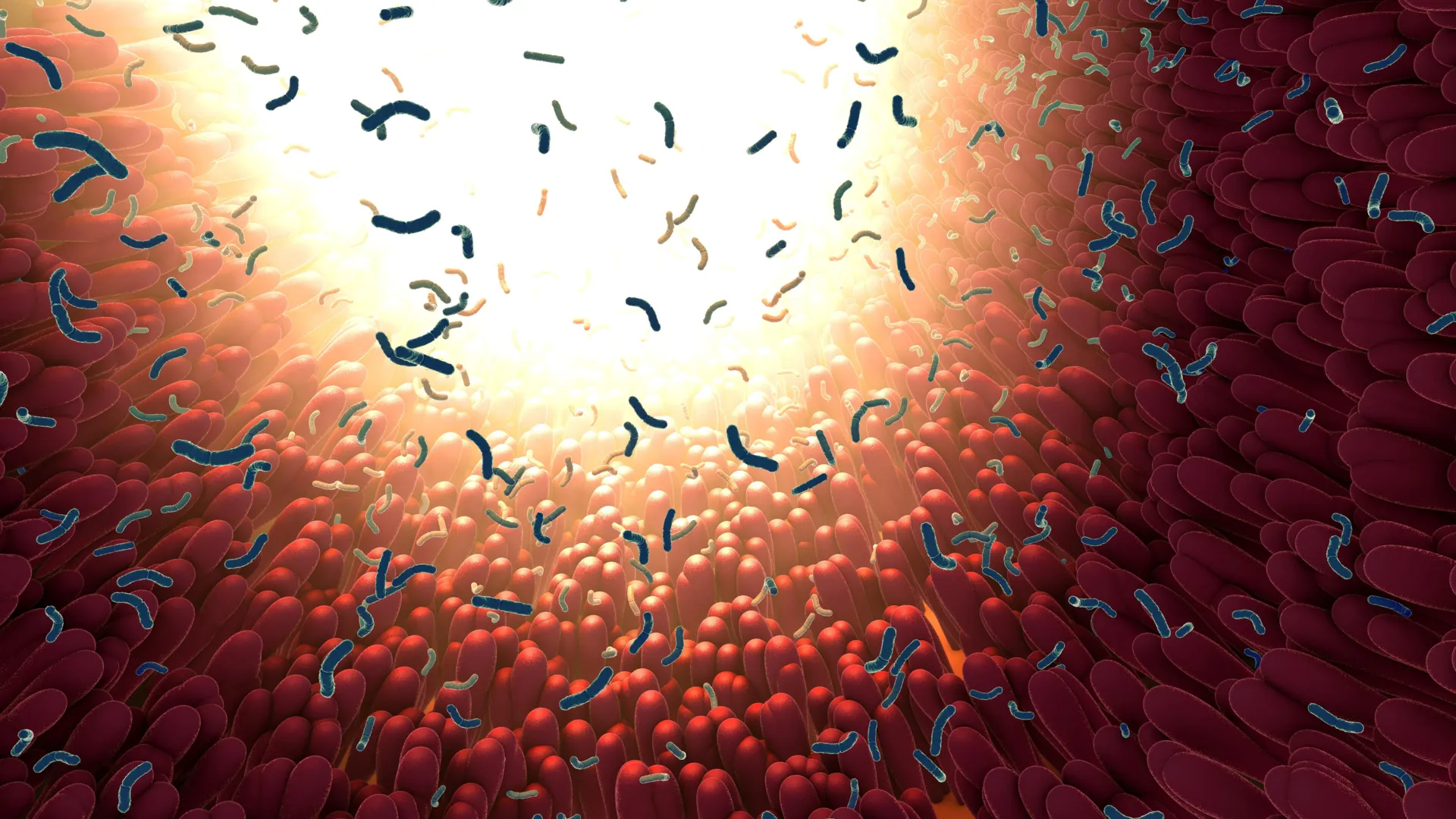
New laboratory research from the University of Cambridge has unveiled a potentially significant interaction between commonly used sweeteners and the bacteria crucial for a healthy gut microbiome. The study, published in Molecular Systems Biology, suggests that sweeteners are not biologically inert compounds as often assumed and can directly impact the growth and balance of these vital microorganisms, with particularly pronounced effects when combined with other substances, including common medications.
The research team investigated the effects of 39 commercially available sweeteners on 25 different bacterial species, including those known to be beneficial for digestive health, blood sugar regulation, and immune function. Contrary to the perception of sweeteners as passive ingredients, the findings indicate that a substantial majority of tested sweeteners influenced bacterial growth. Approximately three-quarters of the sweeteners tested demonstrated an effect on at least one bacterial species, with several significantly inhibiting or completely halting the proliferation of bacteria associated with a healthy digestive system.
"Most of what we know about the potential impact of sweeteners on our health comes from animal research or from population studies," explained Professor Kiran Patil of the Medical Research Council (MRC) Toxicology Unit at the University of Cambridge, the study’s senior author. "While these studies have indicated involvement of the microbiome in mediating the effect of sweeteners, it’s difficult to know how sweeteners act in the body – is it through direct interactions with our gut bacteria?"
This question is further complicated by the reality of human consumption, where sweeteners are rarely taken in isolation. "We rarely ever take sweeteners by themselves – we take them with drinks, in snacks, or even in medication to mask bitterness," noted Dr. Sonja Blasche, a lead author of the study and also from the MRC Toxicology Unit. This real-world complexity prompted the researchers to explore how sweeteners interact not only with individual bacterial species but also with other compounds commonly found alongside them.
Uncovering a Complex Web of Interactions
The Cambridge researchers meticulously recreated aspects of this real-world scenario by pairing sweeteners with a range of other substances. These included common food ingredients like caffeine and vanillin (the primary aromatic compound in vanilla), another artificial sweetener called advantame, and eight widely prescribed medications. The study identified over 100 instances where the presence of another compound significantly altered a sweetener’s effect on bacterial growth. In 34 of these cases, the combined effect was amplified, becoming stronger, while in 68 cases, the effect was diminished. This finding underscores the crucial point that the impact of a sweetener may be contingent on what else is consumed concurrently.
The most striking and concerning observation emerged from the combination of isosteviol, a sweetener derived from the stevia plant and widely used in the food and beverage industry, with duloxetine, an antidepressant. This pairing demonstrated a potent inhibitory effect on two key bacterial species: Roseburia intestinalis and Parabacteroides merdae. Both are recognized as significant contributors to a healthy gut microbiome, playing roles in digestive health and metabolic regulation.
Duloxetine, marketed under brand names like Cymbalta, is a selective serotonin and norepinephrine reuptake inhibitor (SNRI) commonly prescribed for major depressive disorder, generalized anxiety disorder, fibromyalgia, and neuropathic pain. Its widespread use means that a significant portion of the population may be exposed to this combination of a sweetener and a medication. In the United States alone, over 4.2 million patients received prescriptions for duloxetine in 2023, according to available data.
Beyond Individual Bacteria: Impact on Microbial Communities
To gain a more holistic understanding of how these interactions might manifest in a complex biological environment, the scientists moved beyond studying single bacterial species. They constructed a simplified synthetic microbial community comprising all 25 bacterial species used in the initial phase of the study. This allowed them to observe how the bacteria interacted with each other and how their community dynamics were affected by the introduction of sweeteners and other compounds.
The results from these community-level experiments were significant. The combination of isosteviol and duloxetine led to a reduction in microbial diversity within the synthetic community. Generally, a diverse microbiome is considered a hallmark of a robust and resilient gut ecosystem, although the optimal composition can vary significantly between individuals. Furthermore, this combination disrupted the internal balance of the microbial community, favoring the growth of certain species while suppressing others.
Potential Health Implications: A Deeper Dive
The implications of these microbial shifts extend beyond mere digestive health. Preliminary investigations into the consequences of these altered microbial communities suggested potential impacts on host cells. The researchers observed that these changes increased toxicity towards certain host cells and disrupted the activity of other cells involved in inflammation and immune responses. This raises the possibility that interactions between sweeteners, medications, and the gut microbiome could influence a broader range of physiological processes than previously understood, including systemic inflammation and immune regulation.
"Sweeteners are often marketed as metabolically neutral, but our study challenges this idea," stated Dr. Blasche. "We found that they can directly affect gut bacteria, particularly when mixed with other compounds such as medication and food additives. These common combinations could have unintended effects on our gut microbiome."
Professor Patil echoed this sentiment, emphasizing the novel insights gained: "Our study suggests that artificial sweeteners don’t just pass through the body passively – they can interact with gut microbes, and these effects can be amplified or altered by other substances like medications. These findings can help guide new studies towards understanding how sweeteners might influence health in unexpected ways."
A Call for Further Human Research
Despite the compelling laboratory findings, the researchers are careful to emphasize that these results should not be interpreted as definitive proof of harm to humans. The experiments were conducted under controlled laboratory conditions using isolated bacteria and cell models. The human digestive system is far more complex, with numerous factors influencing how ingested substances are processed and interact with the microbiome.
Key differences between laboratory conditions and the human body include:
- Absorption and Metabolism: Sweeteners and other ingested compounds can be absorbed into the bloodstream, chemically altered by the body, or diluted before reaching the gut microbes in significant concentrations.
- Dosage and Concentration: The concentrations of sweeteners and other compounds reaching the gut microbes in humans may differ considerably from those used in laboratory experiments.
- Individual Variability: Factors such as individual diet, genetics, existing medications, and the unique composition of a person’s baseline microbiome can profoundly influence the outcome of these interactions.
Therefore, extensive further research is critically needed to translate these laboratory findings into meaningful clinical insights. Future studies must focus on human trials to determine whether similar interactions occur in vivo, identify the specific dosages that might trigger adverse effects, and ascertain whether any observed microbial changes translate into measurable health outcomes.
Background and Broader Context
The ubiquitous presence of sweeteners in the modern food supply is a significant public health consideration. Introduced as sugar substitutes, artificial and low-calorie sweeteners are found in a vast array of products, including diet beverages, sugar-free candies, baked goods, breakfast cereals, snacks, and even some over-the-counter medications. Their appeal lies in offering sweetness without the caloric or glycemic impact of sugar, positioning them as tools for weight management and diabetes control.
However, a growing body of epidemiological and observational research has raised concerns about potential links between sweetener consumption and adverse health outcomes, including increased risk of type 2 diabetes, obesity, cardiovascular disease, and certain types of cancer. While these associations do not establish direct causation, they have spurred scientific inquiry into the underlying biological mechanisms. The gut microbiome has emerged as a prime candidate for mediating some of these potential effects, given its profound influence on metabolism, immunity, and overall health.
The current study by the University of Cambridge contributes a vital piece to this ongoing puzzle by providing direct laboratory evidence of sweeteners interacting with gut bacteria. This challenges the long-held assumption of their inertness and opens new avenues for understanding the complex interplay between diet, pharmaceuticals, and the microbial ecosystem within our bodies.
The research was supported by funding from the European Union’s Horizon 2020 program and the UK Medical Research Council, highlighting the international and governmental recognition of the importance of this research area. The findings serve as a crucial reminder that seemingly benign food additives can have far-reaching biological consequences, particularly when combined with other substances we regularly consume. As the scientific community continues to unravel the intricacies of the gut microbiome, this study provides a foundational understanding of how sweeteners might play a more active and potentially disruptive role than previously acknowledged.