
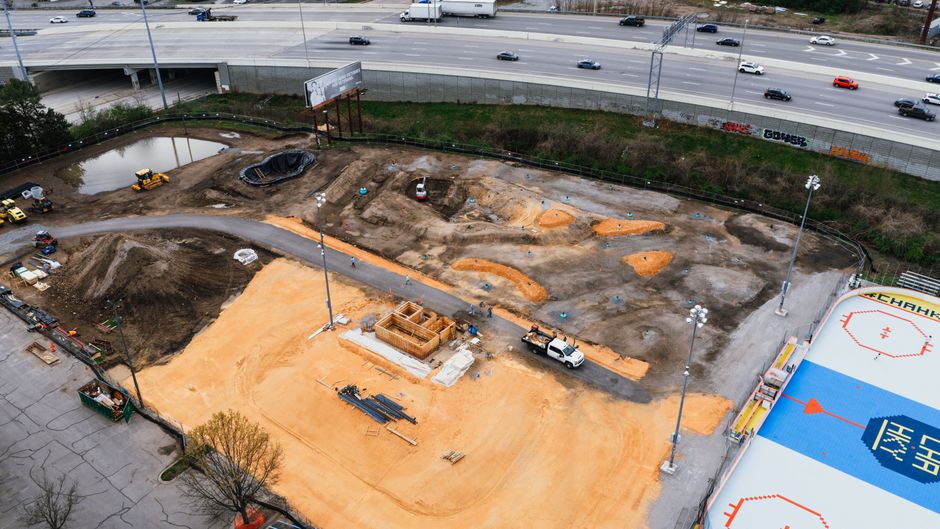
Austin Prairie Project Progress: Expanding Urban Ecosystems and Biodiversity
Austin, Texas, is at the forefront of urban prairie restoration and expansion, with numerous projects actively underway to re-establish native grassland ecosystems within its rapidly growing metropolitan area. These initiatives, driven by a confluence of environmental stewardship, biodiversity conservation, and community engagement, aim to reclaim degraded lands, enhance ecological services, and provide vital habitat for native flora and fauna. The progress in these prairie projects is multifaceted, encompassing land acquisition and designation, on-the-ground restoration techniques, scientific monitoring, public education, and policy development. Key stakeholders, including the City of Austin Parks and Recreation Department, Travis County, the Lady Bird Johnson Wildflower Center, local conservation non-profits like the Native Prairies Association of Texas, and a dedicated base of citizen scientists and volunteers, are collaborating to achieve ambitious restoration goals. The overarching objective is to create a resilient network of native prairie remnants and corridors that can support a thriving ecosystem and offer significant ecological benefits to the urban environment, including improved water quality, reduced urban heat island effects, and increased pollinator populations.
The City of Austin has made significant strides in integrating prairie restoration into its land management strategies. A cornerstone of this effort is the ongoing expansion and enhancement of existing parkland dedicated to native ecosystems. For instance, efforts at Bartholomew Park, a centrally located urban park, are seeing the careful removal of invasive species and the reintroduction of native grasses and wildflowers. This process is labor-intensive, often involving mechanical removal of invasive woody species like Ashe juniper and mesquite, followed by controlled burns or hand-pulling of herbaceous invasives. The establishment of seed banks and the careful sourcing of locally adapted native seeds are crucial to the success of these plantings, ensuring that the restored prairies are genetically representative of the Blackland Prairie ecoregion. Furthermore, the city’s commitment extends to acquiring new parcels of land specifically for prairie conservation and restoration. This proactive approach is essential in a development-heavy region, securing crucial habitat before it’s irrevocably lost to urbanization. The identification and prioritization of suitable sites, often those with remaining soil health or seed banks, are guided by ecological assessments and a deep understanding of the historical prairie landscape of Central Texas.
Travis County is also a significant player in Austin’s prairie project landscape. The county’s Parks and Recreation Department has been actively involved in managing and restoring prairies within its jurisdiction. Projects at places like the Hornsby Bend Biosolids Management Facility, which has been transformed into a thriving ecological center, demonstrate the potential for repurposing industrial or underutilized lands into valuable native habitats. The restoration at Hornsby Bend, which began decades ago, showcases a long-term commitment to ecological regeneration. It has resulted in a mosaic of habitats, including extensive native grasslands that support a diverse array of bird species, amphibians, and insects. The success here is often attributed to a phased approach, starting with soil remediation and then carefully introducing native plant communities. The county’s approach often involves partnering with academic institutions and research organizations to monitor the ecological impact and effectiveness of restoration efforts, providing valuable data for future projects.
The Lady Bird Johnson Wildflower Center, a world-renowned institution dedicated to native plants, plays a pivotal role in advancing Austin’s prairie restoration initiatives through research, education, and direct project involvement. Their expertise in native seed propagation, plant identification, and ecological restoration techniques is invaluable. The Wildflower Center actively collaborates with city and county agencies, as well as non-profit organizations, to develop best practices for prairie management. This includes extensive research on the ecological requirements of various native prairie species and the development of innovative techniques for weed control and seed dispersal. Their educational programs reach a broad audience, fostering a deeper understanding of the importance of native prairies and empowering citizens to participate in restoration efforts. The Center’s involvement often extends to providing technical guidance on seed collection, nursery production, and the design of planting schemes tailored to specific site conditions and restoration goals.
The Native Prairies Association of Texas (NPAT) is another critical organization driving progress in Austin’s prairie projects. NPAT focuses on the preservation and restoration of native prairie ecosystems across the state, with a particular emphasis on landowner engagement and the establishment of conservation easements. In the Austin area, NPAT has been instrumental in identifying and protecting remnant prairies, as well as initiating restoration projects on private and public lands. Their model often involves working with landowners who have a desire to preserve or restore prairie habitats on their property, providing them with technical assistance and resources. This grassroots approach is vital for expanding the reach of prairie conservation beyond designated parklands. NPAT’s work includes hands-on restoration activities such as invasive species removal, seed collection, and prescribed burning, often facilitated by trained volunteers and staff. Their long-term vision involves creating a connected network of prairie habitats that can sustain biodiversity.
On-the-ground restoration techniques employed in Austin’s prairie projects are diverse and scientifically informed. Mechanical removal of invasive woody species is a common first step, especially in areas heavily encroached upon by cedar and mesquite. Controlled burns, when ecologically appropriate and permitted, are a powerful tool for managing invasive herbaceous species, stimulating native grass growth, and promoting seed germination. These burns require careful planning, execution by trained professionals, and adherence to strict safety protocols, often involving collaboration with local fire departments. Seed collection and dispersal are also critical. Efforts are made to collect seeds from locally adapted populations to ensure genetic integrity and successful establishment in the unique microclimates of the Austin area. This often involves meticulous hand-collecting of seeds from healthy native stands, followed by processing and stratification to mimic natural germination cues. For larger-scale projects, direct seeding with a mix of native grasses and wildflowers is employed, with careful consideration of soil type, moisture levels, and sunlight exposure.
Monitoring and scientific research are integral to the success and adaptive management of Austin’s prairie projects. Organizations like the University of Texas at Austin and Texas State University often collaborate with restoration practitioners to conduct ecological assessments. This research focuses on tracking plant community composition, species diversity, pollinator activity, and the presence of sensitive wildlife. By understanding the ecological responses to restoration efforts, scientists can refine techniques and inform future management decisions. This includes monitoring seed bank viability, the impact of different restoration methods, and the long-term resilience of restored prairies in the face of environmental changes. Advanced techniques, such as remote sensing and GIS mapping, are increasingly used to assess habitat connectivity, track changes in vegetation cover, and identify areas suitable for future restoration. The data generated from these studies is crucial for demonstrating the efficacy of prairie restoration and for advocating for continued investment.
Community engagement and volunteerism are vital to the sustainability of Austin’s prairie projects. Numerous volunteer workdays are organized by various groups, allowing citizens to directly participate in hands-on restoration activities. These events not only contribute to the physical labor required for restoration but also foster a sense of ownership and stewardship among the public. Educational workshops, guided nature walks, and interpretive signage at restoration sites are also employed to raise awareness about the ecological significance of native prairies and the importance of their conservation. Citizen science initiatives, where volunteers collect data on plant and insect populations, further contribute to the scientific understanding of these ecosystems and their health. This broad-based support is essential for the long-term success of these ambitious projects, ensuring that prairie conservation remains a community priority.
Policy and planning efforts are also crucial for the continued progress of prairie projects in Austin. The City of Austin’s Land Use Planning and zoning regulations are increasingly incorporating provisions that encourage or mandate the preservation and restoration of native habitats. The development of a comprehensive urban biodiversity plan that includes specific goals for prairie restoration is a key strategic objective. This involves identifying areas of high ecological value, creating incentives for private landowners to conserve prairie remnants, and integrating ecological considerations into all aspects of urban development. The City’s commitment to green infrastructure and stormwater management also often aligns with prairie restoration goals, as healthy native grasslands can significantly improve water infiltration and reduce runoff. Furthermore, the establishment of clear permitting processes and funding mechanisms for restoration projects streamlines their implementation and ensures their long-term viability.
Looking ahead, the future of Austin’s prairie projects hinges on sustained funding, continued collaboration between stakeholders, and ongoing public support. Challenges remain, including the ever-present pressure of urban development, the persistent threat of invasive species, and the need for long-term management strategies that can adapt to changing environmental conditions. However, the progress made to date in expanding and restoring these vital urban ecosystems is a testament to the growing recognition of their ecological and societal importance. The vision is to create a more biodiverse, resilient, and ecologically functional Austin, where native prairies are not just historical artifacts but thriving, living landscapes that benefit both nature and the human inhabitants of the city. The ongoing commitment to research, education, and hands-on restoration ensures that these important natural heritage sites will continue to flourish for generations to come, contributing to a healthier and more sustainable urban environment. The expansion of these projects also provides critical opportunities for ecological connectivity, allowing for the movement of species between fragmented habitats and contributing to the overall health of the regional ecosystem. The ultimate goal is to weave a tapestry of green spaces that not only enhances the aesthetic appeal of the city but also provides tangible ecological services and fosters a deeper connection between urban dwellers and the natural world.
