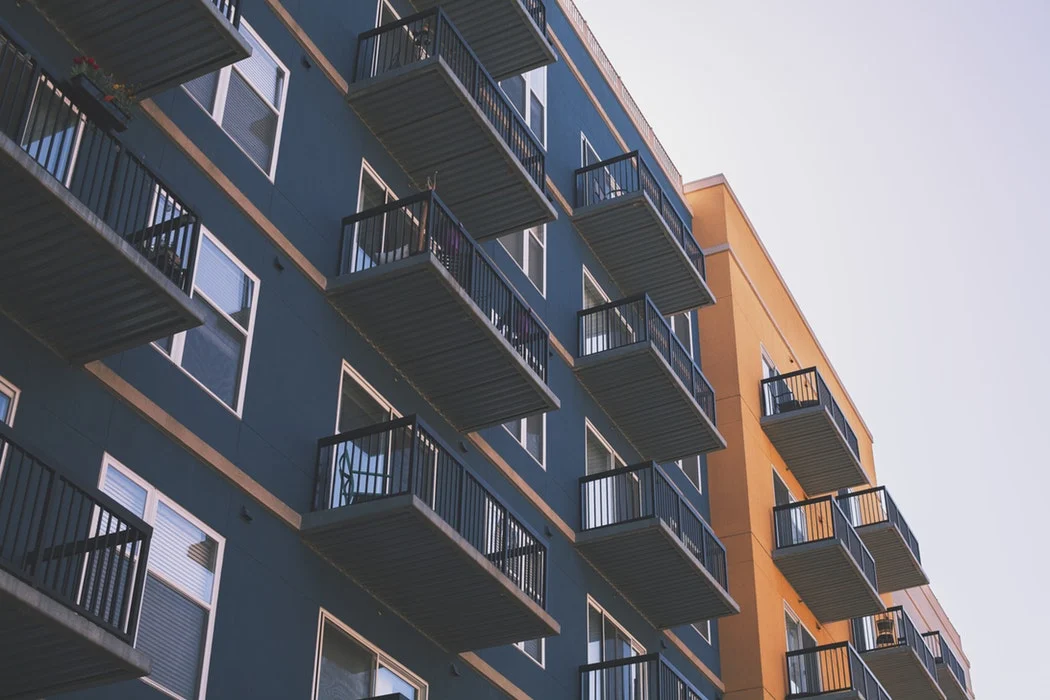
As the California State Legislature returns from its summer recess, the spotlight has intensified on a pair of ambitious legislative efforts aimed at reviving the state’s stagnant condominium market. Lawmakers are currently navigating the complexities of Assembly Bill 1903 and Assembly Bill 1406, two pieces of legislation designed to dismantle the barriers that have historically deterred developers from building multi-family ownership units. These bills arrive at a critical juncture for the Golden State, which faces a chronic housing shortage and some of the highest real estate prices in the nation. By addressing the twin hurdles of construction defect litigation and financial risk, proponents hope to unlock a new wave of "missing middle" housing—condominiums that offer a path to homeownership for those priced out of single-family homes.
The Legislative Framework for Condo Reform
Assembly Bill 1903 stands as the centerpiece of this reform effort. The bill seeks to overhaul the existing rules surrounding construction defect liability, moving toward a "right-to-repair" framework. Under current California law, developers often find themselves embroiled in expensive, protracted litigation shortly after a project is completed. AB 1903 aims to mitigate this by mandating a process that allows developers to address and fix construction flaws before a homeowners’ association (HOA) or individual buyer can initiate high-stakes legal action. The intent is to shift the resolution of disputes from the courtroom to the construction site, theoretically lowering the legal overhead that currently plagues the industry.
While AB 1903 focuses on the back-end risks of construction, Assembly Bill 1406 addresses the front-end financial stability of a project. Often referred to as "condo deposit reform," this bill proposes to double the state’s liquidated-damages limit on new condominium sales. Currently capped at 3% of the purchase price, the bill would allow developers to retain up to 6% of the deposit if a buyer walks away from a deal without a valid excuse. Supporters argue that this change is necessary to modernize a rule that is among the strictest in the United States. By increasing the financial penalty for backing out, developers gain greater certainty that their units will actually close, which in turn makes it easier for them to secure the necessary financing from risk-averse lenders.
However, AB 1406 has faced significant headwinds. The California Association of Realtors (CAR) has been a vocal opponent, successfully stalling the bill in a General Assembly committee. The organization argues that shifting more risk onto the buyer could discourage entry-level participants in an already volatile market. With the legislative session progressing, political analysts suggest that AB 1406 faces an uphill battle, whereas AB 1903 has shown more resilience through the committee process.
A Chronology of the California Condo Collapse
To understand the urgency of these bills, one must look at the historical trajectory of California’s housing market. For much of the late 20th century, condominiums were a staple of urban and suburban growth. However, the landscape shifted dramatically following the 2005–2006 market peak. According to a 2024 study published by the Terner Center for Housing Innovation at the University of California, Berkeley, condo construction in major metropolitan areas like Los Angeles has effectively collapsed.
In the mid-2000s, Los Angeles saw more than 8,000 condominium starts per year. Following the Great Recession, while the construction of rental apartments eventually rebounded and even thrived, the production of condominiums remained at historic lows. This trend was mirrored in San Francisco, San Diego, and the Silicon Valley corridor. The Terner Center’s research highlights a stark reality: developers have not merely slowed down; they have fundamentally pivoted their business models away from ownership units and toward rental properties.
The primary driver of this shift is not a lack of demand. On the contrary, the demand for affordable homeownership options has never been higher. Instead, the "litigation tax" associated with condominiums has made them financially unviable for many builders. Under the current legal regime, a single defect in a large complex can trigger a class-action style lawsuit that ties up a developer’s capital and insurance for a decade. Consequently, many developers have concluded that the risk-adjusted returns on condos simply do not compete with the relative safety of apartment buildings.
The Economic Burden of Defect Liability
The financial implications of the current liability environment are quantifiable and severe. A follow-up study by the Terner Center focused on the Los Angeles housing market found that construction defect liability and the associated insurance premiums add a significant "hard cost" to every unit produced. Researchers estimated that these factors contribute between $8,100 and $18,300 in additional costs per unit for a typical project.
These figures represent only the direct costs. When indirect costs—such as higher interest rates for construction loans on "high-risk" condo projects and the necessity of maintaining larger legal reserves—are factored in, the price of a unit can swell by tens of thousands of dollars before a single brick is laid. For a developer, this creates a narrow margin for error. If the cost of building a condo is significantly higher than building a comparable rental unit, but the market price is capped by what local buyers can afford, the project becomes unfeasible.
Furthermore, the insurance crisis in California has exacerbated these issues. Many national insurance carriers have exited the California market or have drastically raised premiums for projects with high litigation risk. This has left developers with fewer options and higher overhead, further stifling the pipeline of new ownership housing.
Navigating Political Compromise: Amendments to AB 1903
The journey of AB 1903 through the state Senate Judiciary Committee illustrates the delicate balancing act required to pass housing reform in a state with strong consumer protection traditions. The bill’s original draft was far more aggressive, proposing a "certified building" process. This would have allowed developers to hire private inspectors to certify a project’s quality. Once certified, the building would have enjoyed a "nonchallengeable" status, locking in builder-controlled repair and claims procedures.
Consumer advocates and trial attorneys raised immediate alarms, arguing that this framework would essentially allow the "fox to guard the henhouse." They contended that private inspectors, paid by the developers, would have little incentive to flag systemic issues, leaving future homeowners with no recourse when defects inevitably surfaced. In response to this pushback, the bill’s author agreed to strike the certified building framework entirely.
Other provisions were softened to ensure the bill could move forward. For instance:
- Investigative Costs: The original bill sought to bar the recovery of investigative costs by HOAs. The amended version now limits these costs only if the builder is not given 21 days’ notice and an opportunity to attend the testing.
- Motions to Dismiss: A proposed mandatory motion to dismiss for noncompliant claim notices was changed to a discretionary motion. This grants judges the authority to decide whether a procedural error warrants the dismissal of a case, rather than making it an automatic legal requirement.
- Proof of Damage: The bill’s author dropped a controversial requirement that would have forced claimants to prove that a specific defect had already caused physical damage to another part of the building. Instead, the bill will focus on revising defect performance standards on a forward-looking basis.
These amendments represent a middle ground. While developers may not get the total immunity they initially sought, the "right-to-repair" provisions still offer a meaningful pathway to resolve issues without the immediate intervention of the courts.
Federal Context: The Shadow of Surfside
California’s legislative push is occurring against a backdrop of renewed national interest in condominium safety and financing. This interest was sparked by the tragic 2021 collapse of the Champlain Towers South in Surfside, Florida, which killed 98 people. In the wake of that disaster, federal lawmakers have been forced to rethink how condo associations fund critical structural repairs.
Rep. Debbie Wasserman Schultz (D-Fla.) and Rep. Maria Elvira Salazar (R-Fla.) have recently revived federal legislation that would offer low-interest loans to condo associations for structural work. Historically, condo associations have struggled to fund massive infrastructure projects, often relying on "special assessments" that can cost individual unit owners tens of thousands of dollars upfront. Many residents, particularly those on fixed incomes, cannot afford these payments, leading to the deferral of essential maintenance.
The federal debate highlights a different but related challenge: even if California succeeds in building more condos, the long-term viability of those buildings depends on a sustainable financing model for maintenance. The California bills focus on the construction phase, but the federal effort underscores the need for a holistic approach that covers the entire lifecycle of a multi-family building.
Analysis of Broader Implications and the "Missing Middle"
The success or failure of AB 1903 and AB 1406 will have profound implications for California’s social and economic fabric. For decades, the "California Dream" was synonymous with single-family homeownership. However, as land becomes scarcer and environmental regulations favor density, that dream has become increasingly unattainable for the average resident.
Condominiums are the natural solution to this problem. They provide a dense, urban housing option that allows residents to build equity—a critical component of wealth generation that is absent in the rental market. By failing to build condos, California is effectively forcing an entire generation of workers into a "permanent renter" class. This shift has long-term consequences for economic mobility and neighborhood stability.
If AB 1903 passes and successfully lowers the "litigation tax," it could signal to the development community that California is once again open for ownership projects. This would likely lead to a diversification of the housing stock in transit-oriented hubs like downtown Los Angeles, Oakland, and San Jose. However, if the legislation fails to produce a measurable reduction in insurance premiums and legal risk, the trend toward "rentership" will likely continue unabated.
The primary challenge remains the political tension between protecting consumers and incentivizing production. Consumer advocates rightly point out that for most people, a home is their largest lifetime investment, and they deserve protection against shoddy workmanship. Conversely, developers rightly point out that if the cost of providing that protection is so high that nothing gets built, the consumer loses anyway because there is no housing to buy.
As the legislative session nears its conclusion, the eyes of the real estate industry and housing advocates remain fixed on Sacramento. The outcome of these deliberations will determine whether the condominium remains a relic of California’s past or becomes a cornerstone of its future.