
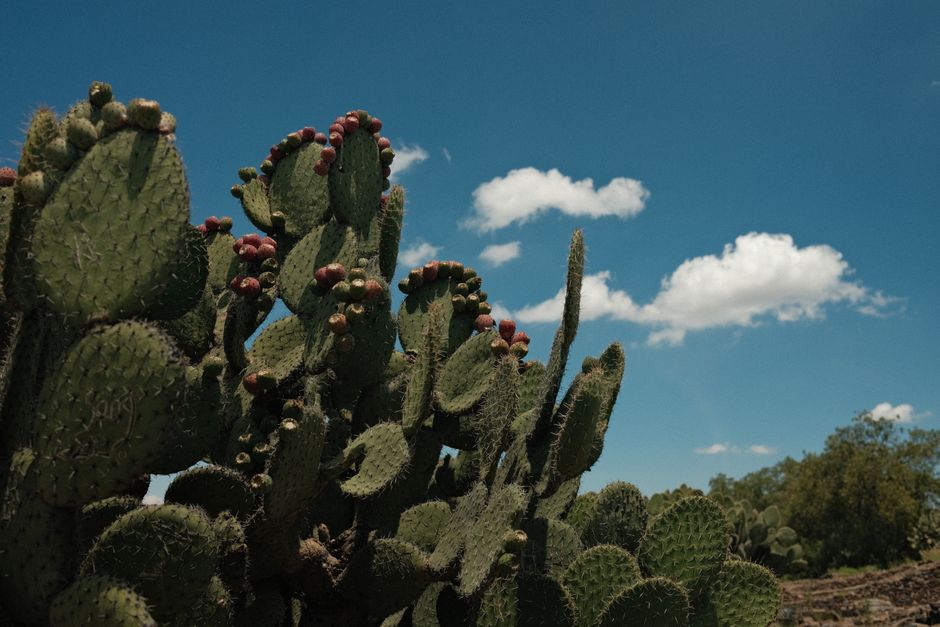
New Mexico Prickly Pear Farmers Harvest Bountiful 2024 Crop, Predicting Strong Market Demand
New Mexico’s arid landscapes are once again yielding a significant harvest of prickly pear, with farmers reporting an exceptionally bountiful 2024 season. This year’s crop is characterized by abundant fruit set, robust plant health, and larger, more vibrant pads, indicating a strong year for this resilient and increasingly valuable agricultural commodity. Early estimates from various growers across the state suggest a minimum of a 20% increase in overall yield compared to previous years, a trend attributed to favorable weather patterns, including consistent winter precipitation and a mild spring, which provided ideal conditions for fruit development and pest resistance. This surge in production is timely, as demand for prickly pear products, ranging from culinary ingredients and nutritional supplements to cosmetic applications, continues to escalate both domestically and internationally. Farmers are optimistic that the increased supply will meet and potentially exceed the growing market appetite, leading to a stable and profitable season.
The prickly pear cactus, scientifically known as Opuntia ficus-indica, has a deep historical and cultural significance in New Mexico, where it thrives in the challenging desert environment. For generations, it has been a source of sustenance and a vital part of the local ecosystem. In recent decades, however, it has transitioned from a traditional crop to a modern agricultural powerhouse, driven by research into its diverse nutritional profile and versatile applications. The 2024 harvest is particularly noteworthy for the exceptional quality of the fruit, often referred to as "tunas" or "prickly pears." Growers are observing a higher Brix level, indicating increased sugar content, which translates to sweeter, more flavorful fruit. Furthermore, the vibrant colors, ranging from deep reds and purples to bright yellows and oranges, are more pronounced this year, a visual cue that often correlates with higher antioxidant levels and enhanced nutritional value. The pads, or "nopales," are also larger and more succulent, making them ideal for the fresh market and food processing.
Several factors have contributed to this record-breaking yield. The winter of 2023-2024 saw above-average snowfall and sustained periods of moisture across key prickly pear growing regions in New Mexico. This replenished soil moisture reserves, a critical element for the cactus’s survival and productivity, especially during its early growth and fruit-setting stages. Following a mild spring, characterized by fewer late frosts and consistent temperatures, the plants experienced optimal conditions for flowering and fruit development. This extended period of favorable weather allowed for a more complete fruit set and reduced the incidence of fruit drop, a common challenge for growers. Additionally, proactive pest management strategies employed by many New Mexico prickly pear farmers have helped to maintain plant health, further contributing to the robust harvest. Integrated Pest Management (IPM) techniques, focusing on biological controls and targeted interventions, have proven effective in mitigating common threats such as cochineal scale and plant diseases.
The economic implications of the 2024 prickly pear harvest are significant for New Mexico. Prickly pear farming, while often characterized by smaller, family-run operations, is a growing sector that contributes to the state’s agricultural output and rural economies. The increased yield is expected to translate into greater revenue for farmers, providing them with the financial stability to invest in their operations, expand their acreage, and explore new markets. The demand for prickly pear is multifaceted. In the culinary world, it is prized for its unique flavor profile, which can range from subtly sweet to tart, and its use in everything from jams, jellies, and juices to salsas, candies, and even alcoholic beverages. The nutritional benefits are also a major driver. Prickly pear is rich in fiber, vitamins (particularly vitamin C), minerals, and antioxidants like betalains, which have been linked to a range of health benefits, including anti-inflammatory and cardioprotective properties.
Beyond its culinary and nutritional appeal, prickly pear is gaining traction in the health and wellness sector. Extracts and powders derived from the fruit and pads are increasingly incorporated into dietary supplements, functional foods, and beverages marketed for their digestive health, blood sugar management, and antioxidant support. The cosmetic industry is also tapping into prickly pear’s potential. The oil extracted from prickly pear seeds is highly sought after for its moisturizing, anti-aging, and skin-repairing properties, boasting high levels of vitamin E and essential fatty acids. This growing demand across multiple industries creates a robust market for the abundant 2024 harvest. Farmers are reporting interest from food processors, supplement manufacturers, and cosmetic companies, many of whom are actively seeking to secure supply from the New Mexico region due to its reputation for high-quality prickly pear.
Challenges, however, still exist for prickly pear farmers, even in a bountiful year. Harvesting prickly pear can be labor-intensive and requires specialized knowledge due to the cactus’s spines and glochids. The development of efficient harvesting techniques and the availability of a skilled labor force remain ongoing considerations for the industry’s growth. Furthermore, market fluctuations and the competitive landscape, with increasing production from other regions and countries, necessitate strategic marketing and product diversification. New Mexico farmers are actively exploring ways to add value to their crops through processing and branding, aiming to capture a larger share of the market beyond raw fruit sales. This includes developing ready-to-eat nopales products, artisanal prickly pear preserves, and exploring the potential for medicinal or pharmaceutical applications of specific compounds found in the cactus.
Looking ahead, the successful 2024 harvest sets a positive precedent for the future of prickly pear cultivation in New Mexico. The state’s climate and growing conditions are exceptionally well-suited for this hardy crop, offering a sustainable and environmentally friendly agricultural option. The continued research into the multifaceted benefits of prickly pear is likely to fuel further market expansion. As consumers become more aware of its nutritional and functional properties, the demand is expected to remain strong. Farmers are investing in improved irrigation techniques, advanced cultivation methods, and research into disease-resistant varieties to ensure consistent yields and further enhance crop quality. The collaborative efforts between New Mexico State University’s agricultural extension programs and local farmers are also playing a crucial role in disseminating best practices and fostering innovation within the industry, ensuring that New Mexico remains a leading producer of high-quality prickly pear. The abundance of this year’s crop serves as a testament to the resilience of both the plant and the farmers who cultivate it, promising a prosperous future for this iconic New Mexico crop. The economic ripple effects of this bountiful harvest will likely extend beyond the farms, supporting local businesses, creating employment opportunities, and reinforcing New Mexico’s position as a significant contributor to the nation’s specialty crop production. The consistent quality and quantity from this year’s harvest are expected to solidify New Mexico’s reputation as a premier source for premium prickly pear products.
