The State of the New York City Rental Market in 2026
The summer of 2026 has proven to be one of the most challenging periods for New York City renters in recent history. According to data from the Real Estate Board of New York (REBNY), inventory levels for studios and one-bedroom apartments in Manhattan have plummeted to sub-1% vacancy rates. This scarcity is driven by a confluence of factors, including a post-pandemic population peak and the temporary influx of visitors and workers associated with the 2026 World Cup.
The market is currently characterized by "hyper-competition," where even substandard units command premium prices. The phenomenon of "lines out the door" for basic studio apartments has become a standard feature of the Saturday morning viewing circuit. For those seeking more substantial living quarters, such as the "fantasy duplexes" of the West Village, the barriers to entry have shifted from merely financial to almost exclusively accessible by the ultra-high-net-worth demographic.
Manhattan: The West Village and Beyond
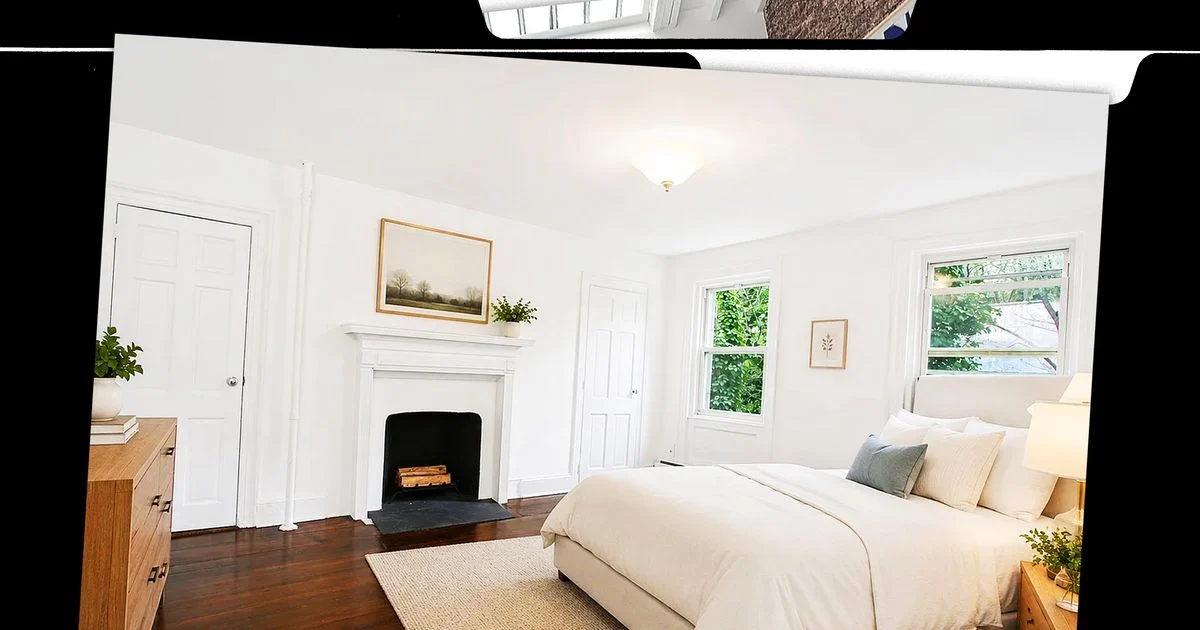
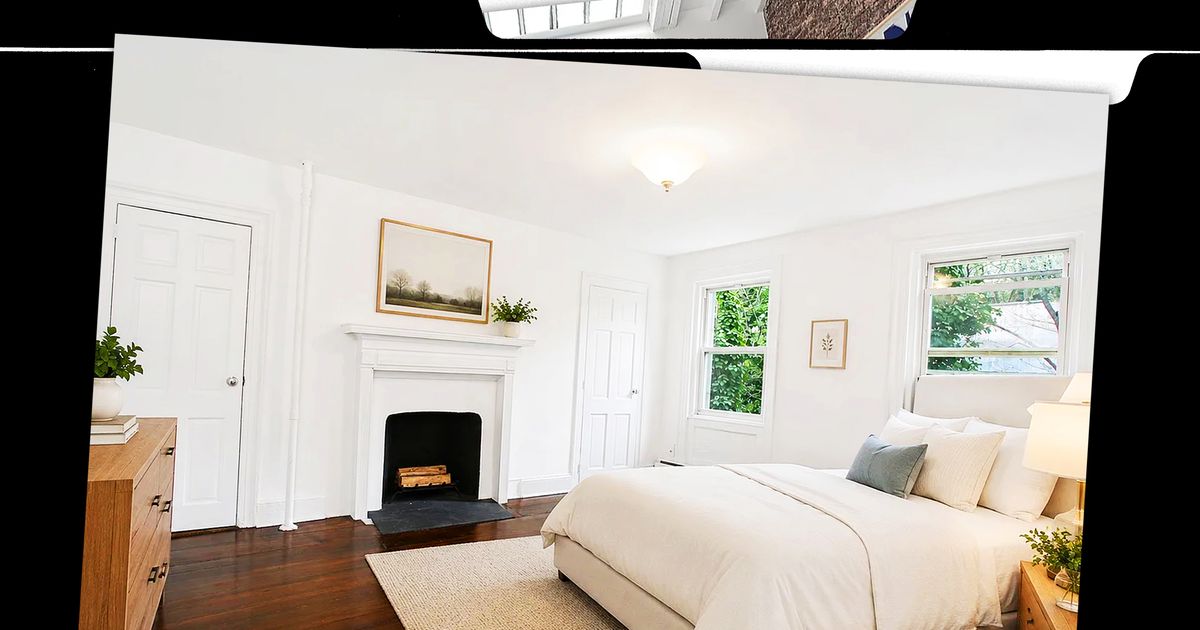
The West Village continues to serve as the benchmark for the luxury rental market. A notable entry at 512 Hudson Street, a four-bedroom duplex priced at $14,500 per month, highlights the trend of "luxury co-living." While the price point is staggering for a single household, the listing is being marketed toward high-earning professionals or well-financed students who can split the cost to roughly $3,625 per person. This unit is situated in a high-profile corridor, notably adjacent to residences occupied by global celebrities like Justin and Hailey Bieber, adding a "proximity premium" to the valuation.
Further south in the neighborhood, the pricing for smaller units reflects an even higher per-square-foot cost. At 70 Barrow Street, a studio apartment is listed for $3,795, leveraging the building’s historic façade and oversized windows as its primary selling points. On Bleecker Street, a "hobbit-style" attic studio has reached a price point of $4,995, a figure that would have secured a two-bedroom apartment in the same area just five years prior. The most extreme example of neighborhood pricing is found at 61 Perry Street, where a single-bedroom carriage house is listed for $12,000 per month. This property represents the "private residence" tier of the rental market, where exclusivity and architectural uniqueness override traditional market comparables.
In the Two Bridges neighborhood, the entry of a one-bedroom at 164 Henry Street for $2,995, featuring distinctive glass-block architectural elements, represents the "entry-level" for Manhattan’s lower half—a price point that underscores the disappearance of affordable housing in traditionally working-class enclaves.
Brooklyn Trends: Preservation Versus Industrial Modernism
Brooklyn’s rental market in 2026 is defined by two distinct aesthetics: the meticulously preserved pre-war brownstone and the "creepy" industrial new-build. In Bedford-Stuyvesant, 380 Herkimer Street offers a three-bedroom duplex for $6,650. This unit is a prime example of the "pre-war plus" category, where original moldings and hardwood inlays are paired with modern infrastructure updates.
Nearby, on Hancock Street, the market shows signs of extreme volatility. A two-bedroom unit at 757 Hancock Street was recently listed for $3,600, featuring a mysterious $100 price increase mid-listing, while a floor-through apartment at 217 Hancock Street is priced at $3,500. The latter highlights the value of private outdoor space, offering a deck comparable in size to the primary bedroom—a feature that has become a non-negotiable for many high-budget renters following the air quality concerns raised by recent wildfires.
In Bushwick, the "One Fifty" development represents the city’s continued commitment to the industrial aesthetic. A one-bedroom unit here is listed at $3,700, featuring raw concrete finishes. The building includes unconventional amenities such as industrial co-working spaces and on-site storage, catering to a demographic that prioritizes a "work-live-create" environment over traditional domestic comforts.
Chronology of the 2026 Rental Season
The 2026 moving season has been marked by a series of external shocks that have influenced tenant behavior and landlord pricing strategies:
- April–May 2026: Early season inventory was absorbed at record speeds as corporations secured housing for staff ahead of the World Cup festivities.
- June 2026: Public health concerns, including a localized Legionella outbreak in the Upper East Side and reports of cyclosporiasis, led to a temporary shift in demand toward neighborhoods with newer plumbing infrastructure or well-documented maintenance histories.
- July 2026: Air quality alerts resulting from Canadian and Western wildfires spiked demand for units with advanced HVAC and HEPA filtration systems, particularly in the luxury duplex segment.
- Late July 2026: The current "Fantasy-Duplex" phase, where high-end inventory is being showcased to a market that has largely exhausted its lower-tier options.
Socio-Economic Factors and Public Health Implications
The 2026 rental market cannot be viewed in isolation from the public health and environmental challenges facing New York City. The mention of Legionella and other pathogens in the context of real estate listings indicates a growing tenant awareness of building "wellness" metrics. Buildings that can prove rigorous maintenance schedules are now commanding a 5-10% premium over those that cannot.
Furthermore, the "teen" theme noted in recent market observations suggests a demographic shift. With the cost of living in Manhattan becoming prohibitive for those under 30 without significant familial support, the "roommate economy" has expanded. This is evident in the Morningside Heights and Harlem markets. At 189 Claremont Avenue, a three-bedroom pre-war apartment is listed for $4,595, specifically targeting the influx of Columbia University students. In Washington Heights, larger units like the four-bedroom at 1460 St. Nicholas Avenue ($4,700) and the three-bedroom at 930 St. Nicholas Avenue ($4,250) are being utilized as multi-generational or multi-roommate hubs to offset the per-capita cost of living.
Economic Analysis of "The Itchy Feeling"
A significant portion of the 2026 inventory consists of "gut-renovated" units that utilize specific aesthetic choices to justify high rents. A three-bedroom at 141 Attorney Street on the Lower East Side, priced at $6,000, features custom built-ins and refurbished wood. However, industry critics and some tenants have expressed a growing fatigue with this "rustic-industrial" look, often referred to as giving an "itchy, allergic feeling." This critique stems from the use of sliding barn doors and reclaimed materials that some perceive as a superficial overlay on aging building skeletons, designed to maximize rental yields without addressing underlying structural or insulation issues.
Broader Impact and Future Outlook
The current state of the NYC rental market, as exemplified by the West Village Fantasy-Duplex Edition, suggests a permanent shift in the city’s urban fabric. The "middle market" is effectively disappearing, leaving a bifurcated system of ultra-luxury units and overcrowded "affordable" units.
For the remainder of 2026, analysts predict that prices will remain stagnant at their current highs rather than dropping, as the demand generated by the World Cup and the returning student population provides a consistent floor for valuations. The trend toward high-density co-living in luxury spaces—such as the $14,500 Hudson Street duplex—is expected to become the new standard for professional housing in Manhattan. As the city moves toward the 2030s, the ability to secure a "fantasy" duplex may remain exactly that for the majority of New Yorkers: a fantasy, accessible only to those who can navigate the increasingly complex intersection of high finance, roommate coordination, and rapid-fire real estate acquisitions.