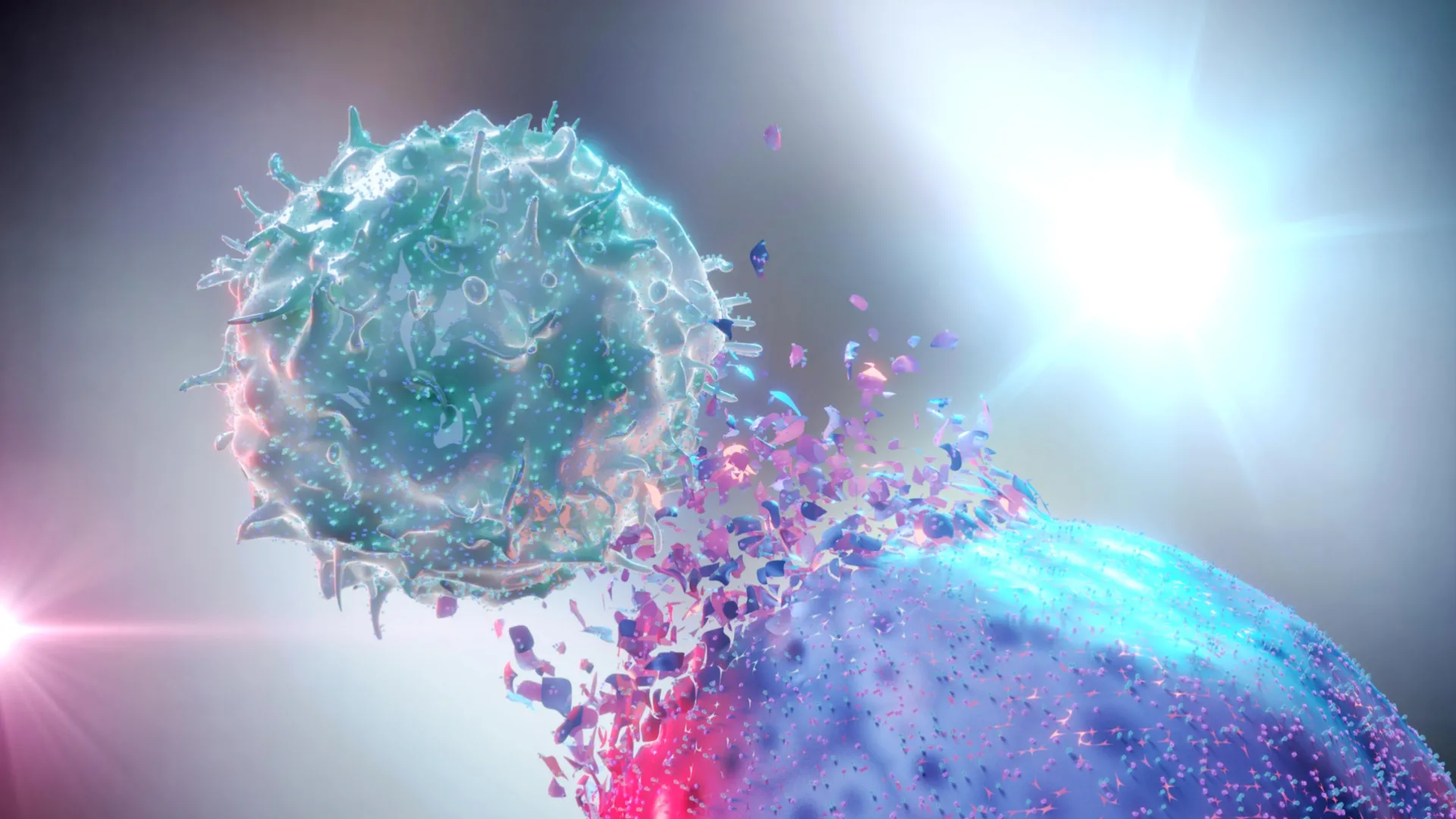
Researchers at the Ribeirão Preto Blood Center and the Center for Cell-Based Therapy (CTC) in Brazil have achieved a significant breakthrough in cancer immunotherapy, developing a novel approach to enhance the power and precision of natural killer (NK) cells. Their pioneering work, published in the esteemed journal Frontiers in Immunology, focuses on engineering NK cells with advanced chimeric antigen receptors (CARs) that incorporate specific costimulatory signals, effectively equipping these immune cells to be "ready to attack" and dramatically improving their capacity to eradicate tumor cells. This advancement holds substantial promise for a new generation of cell-based cancer therapies, potentially offering more robust and adaptable treatment options.
The Evolution of CAR-Based Therapies: From CAR-T to CAR-NK
The landscape of cancer treatment has been irrevocably altered by the advent of CAR-based therapies. Chimeric antigen receptors (CARs) are synthetic receptors engineered into a patient’s own immune cells, typically T cells, to enable them to recognize and destroy cancer cells more effectively. CAR-T cell therapy, in particular, has revolutionized the treatment of certain hematological malignancies, demonstrating remarkable remission rates in patients with relapsed or refractory B-cell leukemias and lymphomas. For instance, the U.S. Food and Drug Administration (FDA) has approved several CAR-T therapies, such as Kymriah (tisagenlecleucel) and Yescarta (axicabtagene ciloleucel), highlighting their clinical significance.
However, the scientific community has long recognized the potential of other immune cells, such as NK cells, for CAR-based applications. NK cells, a crucial component of the innate immune system, possess several inherent advantages that make them attractive candidates for immunotherapy. Unlike T cells, NK cells do not require prior sensitization or HLA matching to recognize and kill target cells, which can simplify manufacturing and reduce the risk of graft-versus-host disease. This inherent "off-the-shelf" potential of allogeneic NK cells (derived from healthy donors) could streamline treatment logistics and broaden accessibility. Despite these advantages, optimizing CAR-NK cell therapy has presented unique challenges, primarily related to understanding and harnessing their intrinsic signaling pathways to maximize their cytotoxic efficacy and persistence.
Unlocking NK Cell Potential: The Role of Costimulatory Signals
The research conducted by the Brazilian team directly addresses this critical gap in understanding. Their study meticulously investigated how specific internal signaling mechanisms within NK cells influence their activity and tumor-killing capabilities. The core of their innovation lies in the design of novel CARs for the NK-92 cell line, a well-established and widely used human NK cell line for research. The NK-92 cell line offers a consistent and reproducible platform for testing and validating genetic modifications and functional enhancements.
The researchers strategically incorporated specific costimulatory components into the CAR constructs. Costimulatory signals are crucial for the full activation and sustained function of immune cells. In this study, the team focused on two key signaling pathways: 2B4 and DAP12. The 2B4 (CD244) pathway is a prominent activating receptor on NK cells that plays a significant role in their cytotoxicity and cytokine production. DAP12 (DNAX-activating protein 12) is an adaptor protein that is often coupled with activating receptors, including certain activating KIRs (killer cell immunoglobulin-like receptors) and other receptors on NK cells, mediating downstream signaling cascades that lead to cell activation and effector function.
By integrating these powerful activating signals directly into the CAR design, the Brazilian researchers aimed to create NK cells that were pre-primed for action. The findings were compelling: the engineered CAR-NK cells exhibited a significantly enhanced activation state. This heightened readiness translated into a markedly improved ability to identify and destroy tumor cells in vitro. The study demonstrated that these CAR-NK cells, armed with the 2B4 and DAP12 costimulatory domains, were not merely capable of killing tumor cells but did so with increased potency and efficiency compared to CAR-NK cells lacking these specific enhancements.
Precision Control: Integrating Pharmacological Modulation with Enhanced Activation
Beyond amplifying the intrinsic activating signals, the researchers also explored a sophisticated strategy for fine-tuning the therapeutic activity of these engineered NK cells. Recognizing that potent activation, while desirable for tumor eradication, also necessitates careful control to mitigate potential off-target effects or excessive immune responses, the team investigated a temporary, drug-based approach.
They tested the efficacy of dasatinib, a tyrosine kinase inhibitor that has demonstrated the ability to transiently suppress cellular activity. The hypothesis was that controlled pauses in NK cell function, induced by dasatinib, could potentially optimize their performance and improve their therapeutic index. This innovative concept of reversible pharmacological control offers a valuable layer of safety and precision to CAR-NK therapies.
The results of this dual-pronged approach were highly encouraging. The study’s findings suggest that the combination of optimized activation signals (via 2B4 and DAP12) and reversible pharmacological control (using dasatinib) could lead to CAR-NK therapies that are not only stronger but also more controllable. This intricate interplay between enhanced intrinsic activation and external modulation represents a significant step forward in designing cell-based cancer treatments that are both potent and manageable.
Preclinical Validation: Demonstrating Superior Tumor Control in Animal Models
The translational potential of these engineered CAR-NK cells was further underscored by promising results obtained in preclinical models. Experiments conducted on animal models, as reported by the Ribeirão Preto Blood Center Press Office, provided tangible evidence of the therapy’s effectiveness.
In these studies, CAR-NK cells that were engineered to express the 2B4-DAP12 CAR and subsequently pretreated with dasatinib demonstrated a superior ability to control tumor growth. This enhanced tumor control was observed in comparison to more traditional versions of CAR-NK therapy, which may lack the specific costimulatory enhancements or the pharmacological modulation strategy. The ability of these advanced CAR-NK cells to significantly impede tumor progression in a living system validates their potential for clinical application and offers a beacon of hope for patients battling cancer.
Institutional Collaboration and Future Directions
This groundbreaking research is a testament to the power of collaborative scientific endeavors and the importance of institutional support. The Center for Cell-Based Therapy (CTC) plays a pivotal role in this initiative. The CTC is one of the Research, Innovation, and Dissemination Centers (RIDCs) that receive crucial support from FAPESP (São Paulo Research Foundation), a leading funding agency for scientific research in Brazil.
The CTC operates within the Ribeirão Preto Blood Center, a vital institution for blood donation, transfusion medicine, and hematological research. Furthermore, the CTC is affiliated with the general and teaching hospital ("Hospital das Clínicas") of the Ribeirão Preto Medical School of the University of São Paulo (FMRP-USP), one of Brazil’s most prestigious medical schools. This strong institutional backing and interdisciplinary collaboration create a fertile ground for cutting-edge research and the rapid translation of scientific discoveries into clinical applications.
The successful integration of enhanced activation signals and reversible pharmacological control in CAR-NK cells represents a significant leap forward. This innovative approach has the potential to address some of the limitations of current cell therapies, including the need for potent and sustained anti-tumor activity without compromising patient safety.
Broader Implications and the Dawn of a New Era in Cancer Immunotherapy
The implications of this research extend far beyond the specific findings of this study. The successful engineering of CAR-NK cells with superior activating signals and controllable function paves the way for a new generation of cell-based cancer therapies. This could lead to treatments that are more effective against a wider range of cancers, including solid tumors, which have historically been more challenging to treat with immunotherapies compared to blood cancers.
The ability to fine-tune NK cell activity through pharmacological means offers a critical advantage. It could allow clinicians to adjust the intensity and duration of the immune response based on individual patient needs and tumor characteristics, thereby optimizing therapeutic outcomes and minimizing potential toxicities. This level of precision control is essential for the widespread adoption and long-term success of cell-based immunotherapies.
Furthermore, the potential to utilize allogeneic NK cells, derived from healthy donors, could dramatically reduce the time and cost associated with autologous cell therapy (where a patient’s own cells are modified). This could make advanced cancer immunotherapies more accessible to a larger patient population, including those in resource-limited settings.
While clinical trials are the necessary next step to translate these preclinical findings into human treatments, the current research provides a robust foundation. The integration of advanced CAR design principles with sophisticated control mechanisms marks a significant milestone in the ongoing quest to harness the power of the immune system to conquer cancer. The work emanating from Brazil signifies a promising stride towards developing more potent, precise, and adaptable weapons in the global fight against this devastating disease. The future of cancer immunotherapy is being shaped by such innovative research, offering renewed hope for patients worldwide.