
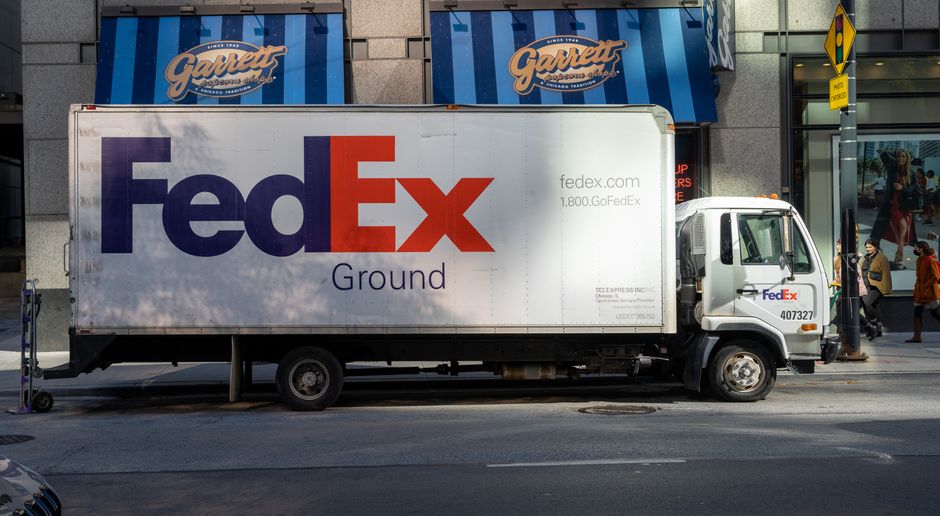
FedEx, PepsiCo, Trump Media Fall Premarket; Nike Rises
In a volatile pre-market trading session, significant stock movements are unfolding across several prominent companies, with FedEx, PepsiCo, and Trump Media & Entertainment Enterprises all experiencing notable declines, while Nike presents a bullish counter-trend with an upward price adjustment. These shifts are likely driven by a confluence of factors, including company-specific news, broader economic indicators, and investor sentiment reacting to anticipated corporate performance and strategic developments. Understanding the underlying reasons for these pre-market fluctuations is crucial for investors seeking to navigate the day’s trading landscape.
FedEx’s Pre-Market Decline: Navigating Shifting Demand and Operational Costs
FedEx Corporation (FDX) is facing downward pressure in pre-market trading, a development that warrants close examination of the company’s operational environment and forward-looking guidance. Several key elements likely contribute to this sentiment. Firstly, the global logistics and shipping industry is inherently sensitive to economic cycles. A slowdown in global trade, rising inflation impacting consumer spending, and increased operating costs such as fuel prices and labor can all exert downward pressure on FedEx’s profitability and growth prospects. Investors will be scrutinizing recent earnings reports for signs of softening demand for parcel delivery services, particularly in key international markets. Any indications of slowing e-commerce growth or a shift in consumer behavior away from discretionary spending could be a significant concern.
Furthermore, the competitive landscape in the shipping sector is intense. Companies like United Parcel Service (UPS) and Amazon’s internal logistics network pose significant challenges. FedEx’s ability to maintain its market share and pricing power in this environment is a critical determinant of its future success. Pre-market trading often reflects anticipatory reactions to upcoming earnings calls or analyst downgrades. If there have been recent reports or rumors suggesting that FedEx’s cost-saving initiatives are not fully offsetting rising expenses, or if its revenue growth projections have been revised downwards by analysts, this would explain the pre-market sell-off. Investors are also keenly aware of the company’s capital expenditure plans, particularly its investments in expanding its network, modernizing its fleet, and enhancing its technological capabilities. While these investments are necessary for long-term growth, they can also impact short-term profitability and cash flow, potentially leading to investor caution. The overarching theme for FedEx, therefore, appears to be the balancing act between managing rising operational costs, adapting to evolving demand patterns in a dynamic global economy, and investing for future competitiveness.
PepsiCo’s Pre-Market Slide: Inflationary Headwinds and Consumer Spending Sensitivity
PepsiCo Inc. (PEP) also experienced a downturn in pre-market trading, a movement that highlights the challenges faced by consumer staples companies in the current economic climate. While often considered a defensive sector, even giants like PepsiCo are not immune to broader market pressures. The primary driver for this pre-market decline is likely related to persistent inflationary pressures impacting both the cost of goods sold and consumer purchasing power. PepsiCo’s vast portfolio of beverages and snacks relies on a complex supply chain, and increases in the cost of raw materials (such as sugar, agricultural inputs, and packaging), transportation, and labor can significantly erode profit margins if not fully passed on to consumers.
Investors are closely watching how effectively PepsiCo can implement price increases without significantly dampening consumer demand. While the company has demonstrated a strong ability to adjust prices in the past, a sustained period of high inflation could lead to consumers trading down to cheaper alternatives or reducing their overall consumption of branded products. Furthermore, shifts in consumer preferences towards healthier options or a growing demand for private-label brands could also pose a challenge to PepsiCo’s established market positions. Pre-market trading activity might also be influenced by analyst commentary or market expectations regarding PepsiCo’s upcoming financial results. If there are concerns about the company’s ability to meet revenue or earnings targets due to these cost pressures or a more cautious consumer outlook, this would explain the pre-market sell-off. The company’s strong brand loyalty and diversified product offerings provide a degree of resilience, but the current economic environment presents a complex backdrop for its continued growth and profitability. The pre-market movement suggests that investors are factoring in these potential headwinds and seeking to understand the company’s strategies for navigating them.
Trump Media’s Premarket Plunge: Scrutiny and Strategic Uncertainty
Trump Media & Entertainment Enterprises (TMTG), the parent company of Truth Social, is exhibiting a significant decline in pre-market trading. This volatility is a characteristic that has become synonymous with the stock since its public debut. Several factors are likely contributing to this sharp downturn. Firstly, the company operates in a highly competitive and rapidly evolving social media landscape, facing established giants like Meta Platforms (Facebook/Instagram) and X (formerly Twitter). Its ability to attract and retain users, and consequently generate advertising revenue, is a primary concern for investors.
More specifically, Trump Media is subject to intense public and regulatory scrutiny. Allegations of financial irregularities, governance concerns, and the potential impact of political developments on its business prospects all contribute to investor unease. The company’s business model, heavily reliant on the personal brand of its founder, Donald Trump, introduces a layer of unpredictability that is difficult for traditional investors to price. Pre-market trading often amplifies reactions to any negative news, analyst reports, or regulatory developments. If there have been recent reports questioning the company’s user engagement, advertising revenue generation, or ongoing legal/regulatory challenges, this would explain the significant pre-market drop. Furthermore, the lock-up periods for early investors are a recurring point of concern, as their potential to sell shares could increase supply and depress prices. The valuation of TMTG has also been a subject of debate, with many analysts questioning its ability to justify its market capitalization based on fundamental financial metrics. The pre-market plunge suggests that a growing number of investors are adopting a more cautious stance, prioritizing financial fundamentals and regulatory certainty over speculative growth potential.
Nike’s Upward Momentum: Brand Strength and Strategic Adjustments
In contrast to the declines seen elsewhere, Nike Inc. (NKE) is demonstrating a positive trend in pre-market trading, indicating renewed investor confidence. This bullish movement is likely underpinned by a combination of the company’s enduring brand strength, successful strategic adjustments, and potentially positive signals regarding its future performance. Nike’s iconic brand recognition and its deep connection with consumers, particularly in the athletic footwear and apparel markets, remain a significant competitive advantage. Investors are likely looking for signs that the company is effectively navigating the current economic environment and capitalizing on emerging trends.
Recent strategic initiatives by Nike, such as its focus on direct-to-consumer (DTC) sales channels and its investments in digital transformation, are likely bearing fruit. A strong DTC strategy allows Nike to capture higher margins, build stronger customer relationships, and gain valuable insights into consumer preferences. Positive commentary regarding sales performance in key markets, particularly in North America and China, or indications of successful product launches, would contribute to this upward momentum. Furthermore, investors may be anticipating positive commentary from Nike management regarding its inventory management and supply chain efficiencies, particularly in light of recent disruptions in the global economy. Any signs that Nike is effectively managing its inventory levels and controlling its costs would be viewed favorably. Pre-market trading can also reflect analyst upgrades or positive outlook revisions. If key financial analysts have recently raised their price targets or reiterated buy ratings for Nike, citing its strong brand equity, innovative product pipeline, and effective execution of its DTC strategy, this would explain the pre-market surge. The company’s ability to consistently deliver innovative products and connect with its target demographic on an emotional level continues to be a powerful driver of its stock performance, and the pre-market movement suggests that investors are betting on its continued success.
