
Saturday Boating and Apple Picking Forecast: Your Essential Guide to Weekend Outdoor Fun
The quintessential late summer and early autumn weekend often revolves around two beloved outdoor pursuits: enjoying time on the water with a boating excursion and embracing the crisp air and bountiful harvests of apple picking. For many, Saturday represents the prime opportunity to indulge in these activities, making a reliable forecast not just helpful, but essential for maximizing enjoyment and ensuring safety. This comprehensive guide delves into the critical weather elements that dictate the success of both boating and apple picking on any given Saturday, providing actionable insights for planning your perfect weekend outing. We will explore the specific meteorological conditions that influence water activities, from wind speed and direction to wave height and visibility, and similarly examine the factors that impact the apple-picking experience, including temperature, precipitation, and sunshine. Understanding these nuances allows for informed decision-making, ensuring you can choose the right location, prepare adequately, and ultimately, create memorable experiences.
When considering a Saturday boating forecast, the primary concern for most mariners is the wind. Wind speed directly influences the state of the water. Low wind speeds, generally below 10 knots, typically translate to calm or glassy conditions, ideal for leisurely cruising, fishing, or watersports. As wind speeds increase, so does wave action. A moderate breeze, in the 10-15 knot range, will often produce small to moderate chop, which can be enjoyable for some boaters but may become uncomfortable for those prone to seasickness or operating smaller vessels. Wind speeds exceeding 20 knots can generate significant wave heights, posing a risk to navigation and potentially making waters impassable or unsafe for many boat types. The direction of the wind is equally important, particularly in enclosed bodies of water like lakes and bays. A prevailing wind can create a consistent fetch, allowing waves to build. Understanding prevailing wind patterns can help boaters select sheltered anchorages or plan routes that minimize exposure to rough water. For coastal boating, offshore winds are generally preferred as they blow away from the shore, keeping seas flatter. Conversely, onshore winds can push waves and debris towards the coast, creating hazardous conditions near shorelines. Tide charts also play a crucial role in Saturday boating. Tidal currents, especially in coastal areas and tidal rivers, can significantly impact boat speed and maneuverability. High slack tide and low slack tide offer periods of minimal current, which can be beneficial for tasks like docking or navigating narrow channels. Conversely, ebb and flood tides create strong currents that must be accounted for in navigation plans. The National Oceanic and Atmospheric Administration (NOAA) and local marine forecast services are invaluable resources for detailed, up-to-date information on wind, wave height, and tidal predictions.
Visibility is another paramount factor for Saturday boating safety. Fog, heavy rain, or even dense smoke can severely reduce visibility, making it difficult to see other vessels, navigation aids, and potential hazards. A Saturday morning with dense fog might necessitate delaying departure or even canceling plans altogether. Similarly, thunderstorms, while potentially brief, can bring about sudden and dramatic changes in weather, including high winds, lightning, and torrential rain, all of which pose immediate dangers to boaters. Radar can be a helpful tool for tracking storm systems, but early detection and a proactive approach to avoiding them are always the best strategy. Temperature, while less critical for boat operation itself, significantly impacts the comfort level of those aboard. Cooler temperatures, especially when combined with wind, can lead to hypothermia if adequate protection is not worn. Conversely, very hot temperatures can lead to heatstroke and dehydration, requiring ample shade, hydration, and sun protection. For activities like swimming or watersports, water temperature is also a key consideration.
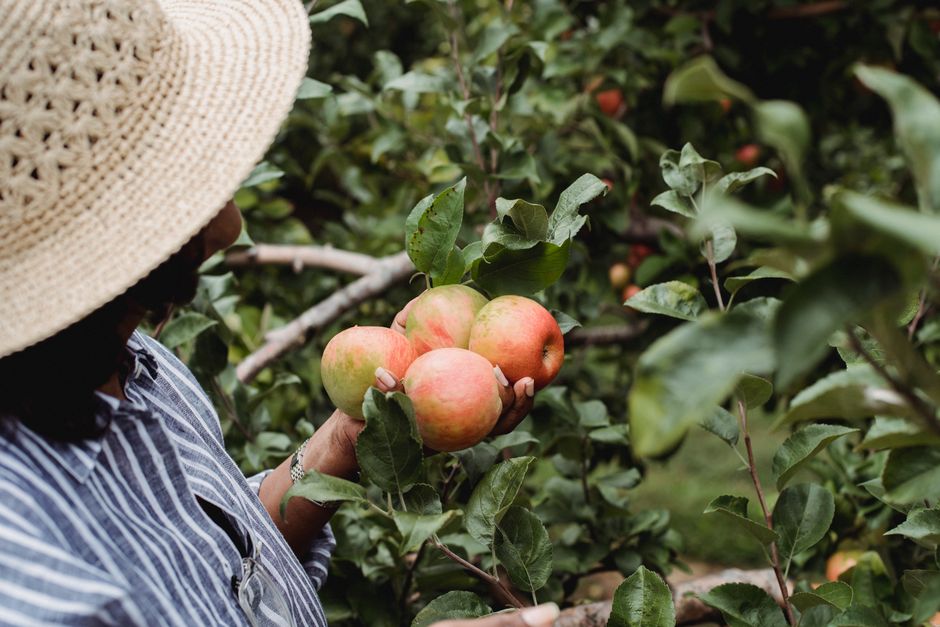
Shifting our focus to Saturday apple picking forecasts, the requirements differ, yet are equally dependent on meteorological conditions. Temperature is a primary driver of comfort for an enjoyable apple-picking experience. Ideal apple-picking temperatures are typically cool and crisp, ranging from the mid-50s to the mid-70s Fahrenheit. This allows for pleasant walking through orchards and extended periods outdoors without overheating or feeling excessively cold. Temperatures significantly above 80 degrees Fahrenheit can make the activity strenuous, especially when combined with direct sunlight. Conversely, temperatures below 40 degrees Fahrenheit, particularly with wind chill, can make for a less enjoyable and potentially uncomfortable outing. Sunshine is generally a welcome component of an apple-picking Saturday. Bright, sunny skies enhance the visual appeal of the orchards, make the fruit easier to spot, and contribute to a cheerful atmosphere. However, prolonged, intense direct sunlight, especially when coupled with higher temperatures, can necessitate sun hats, sunscreen, and frequent hydration breaks.
Precipitation is a non-negotiable factor for a successful apple-picking Saturday. Light mist or drizzle might be tolerable for a brief period, but sustained rain, even if light, can make pathways muddy, make fruit slippery, and generally dampen the enthusiasm for outdoor activity. Heavy rain or thunderstorms will almost certainly lead to the cancellation or postponement of apple-picking plans. Some orchards may have covered areas, but the core experience of being amongst the trees is significantly diminished in wet conditions. Wind, while not as critical as for boating, can still play a role. A moderate breeze can be refreshing, but strong winds can cause branches to sway excessively, making it difficult to reach apples, and potentially causing some ripe fruit to fall prematurely. For the dedicated pickers who don’t mind a bit of a breeze, it can sometimes lead to finding apples already on the ground, which some orchards permit collecting.
Beyond the immediate weather, understanding the broader forecast for a Saturday can influence logistical decisions. For instance, a forecast predicting a significant drop in temperature the following day might encourage earlier apple picking on Saturday to enjoy the current favorable conditions. Similarly, knowing that a strong offshore breeze is predicted for Sunday might prompt a boating excursion on Saturday when calmer waters are expected. The presence of weather fronts moving through an area is also a critical piece of information. A cold front often brings a period of unsettled weather, including potential for showers and thunderstorms, followed by cooler, clearer conditions. A warm front, conversely, can bring increasing cloudiness and precipitation before warmer, more humid air moves in. Monitoring weather radar is crucial for anticipating the passage of these fronts and their associated weather patterns.
When planning a Saturday for both boating and apple picking, particularly if these activities are geographically close, a balanced forecast is ideal. A day with mild temperatures, light winds, and minimal chance of precipitation would offer the best of both worlds. For example, a Saturday with temperatures in the 70s, a gentle breeze of 5-10 knots, and clear skies would be near perfect. This would allow for comfortable apple picking in the morning and a pleasant, calm boating experience in the afternoon. Conversely, a Saturday characterized by strong winds and rain would necessitate a difficult choice between the two, or a complete reassessment of weekend plans.
It is also important to consider the specific location and its microclimates. Coastal areas can experience different weather patterns than inland regions, even at similar latitudes. Lakes can generate their own localized weather systems, and orchards can be situated in valleys or on hillsides that offer different wind protection and sun exposure. Consulting local weather reports from reliable sources like the National Weather Service (NWS), AccuWeather, or The Weather Channel is paramount. These services often provide detailed forecasts for specific regions, including marine forecasts for coastal and Great Lakes areas, and agricultural forecasts that can be particularly useful for understanding conditions impacting fruit growth and harvesting. For apple picking, checking the specific orchard’s website or social media can also provide valuable information, as they often post updates on crop conditions and any weather-related advisories.
Furthermore, understanding the timing of weather events within a Saturday is crucial. A forecast might indicate a chance of showers in the morning with clearing skies in the afternoon. In such a scenario, it might be prudent to schedule apple picking for the afternoon and the boating excursion for the morning, or vice versa, depending on the severity of the morning precipitation and the predicted conditions for the afternoon. Conversely, a forecast for a beautiful morning followed by a strong wind shift in the afternoon would dictate prioritizing boating in the morning and apple picking later, or adjusting the boating route to account for the expected wind change.
The concept of "shoulder seasons" for both boating and apple picking is also relevant. While this article focuses on a Saturday, the broader meteorological context of late summer and early autumn plays a role. As summer wanes, the likelihood of tropical storm systems impacting coastal boating can increase. However, these systems also often bring about significant rainfall, which is detrimental to apple picking. Conversely, as autumn progresses, the chance of frost increases, which can impact the quality and availability of late-season apples. Therefore, understanding the prevailing weather patterns of the specific Saturday within the broader seasonal context can inform more strategic planning.
In conclusion, a comprehensive understanding of Saturday boating and apple picking forecasts is vital for maximizing enjoyment and ensuring safety during these popular outdoor activities. Key meteorological factors such as wind speed and direction, wave height, visibility, precipitation, temperature, and sunshine all play a significant role. By diligently consulting reliable weather resources, understanding the nuances of each activity’s weather requirements, and considering local microclimates and seasonal trends, individuals can make informed decisions, optimize their weekend plans, and create lasting memories in the great outdoors. Proactive monitoring and flexible planning are the cornerstones of a successful Saturday spent on the water or amidst the apple orchards.
