
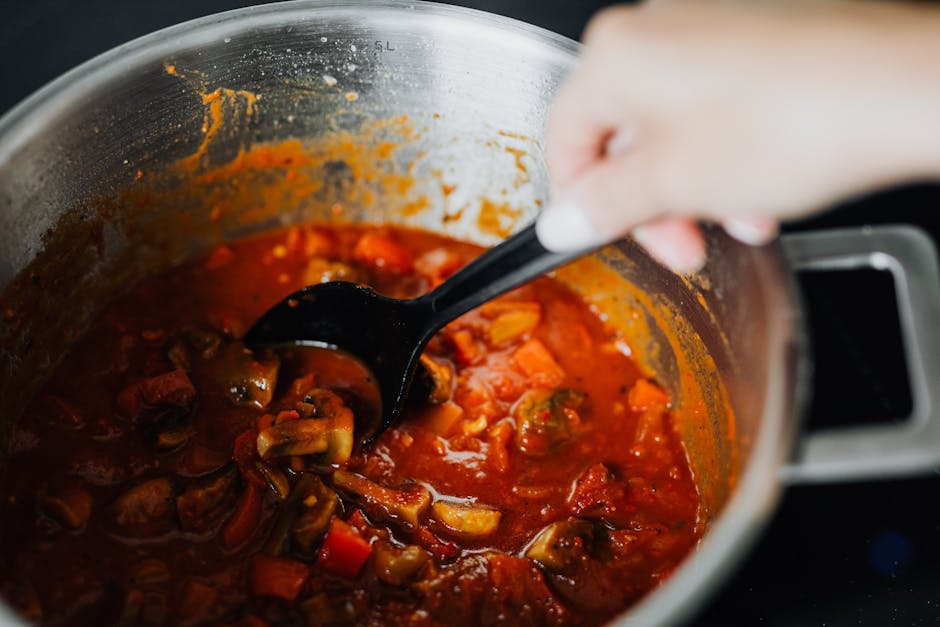
The Magic of One-Pot Meals: Simplify Your Kitchen, Amplify Your Flavor
One-pot meals, a culinary category celebrated for their efficiency and ease, represent a paradigm shift in modern cooking. Their inherent simplicity lies in the promise of minimal cleanup and maximum flavor, a duality that appeals to busy weeknights, aspiring home cooks, and seasoned chefs alike. The fundamental principle of a one-pot meal is straightforward: all ingredients, from protein and vegetables to grains and liquids, are cooked together in a single vessel. This confluence of flavors allows for a deeper, more integrated taste profile than traditional multi-step cooking methods. Beyond the practical advantages of reduced washing up, one-pot cooking fosters a unique culinary synergy, where ingredients meld and transform, creating complex and satisfying dishes with surprising speed. The appeal extends beyond mere convenience; it is about unlocking a different kind of deliciousness, one born from shared cooking environments and the slow release of aromas and tastes. This article will delve into the multifaceted world of one-pot meals, exploring their benefits, diverse variations, essential equipment, and offering a comprehensive guide to mastering this accessible cooking technique.
The inherent appeal of one-pot meals can be dissected into several key advantages, making them a cornerstone of contemporary culinary practice. Foremost is the unparalleled convenience. The reduction in the number of dirty dishes is a significant draw for many, saving precious time and energy. This extends beyond just washing up; the prep work is often streamlined as well, with ingredients often requiring less intricate preparation when destined for communal cooking. This simplicity makes them ideal for weeknight dinners when time is a scarce commodity, allowing for a delicious and wholesome meal without an overwhelming commitment to the kitchen. Furthermore, one-pot meals are inherently economical. By utilizing a single cooking vessel, less energy is consumed compared to using multiple pots and pans. The ingredients themselves also tend to be more cost-effective. Often, these dishes leverage pantry staples and readily available produce, minimizing food waste by encouraging the use of what is on hand. The integrated cooking process also contributes to a more efficient nutrient retention. When ingredients are cooked together, essential vitamins and minerals are less likely to be lost through draining or excessive handling. This means more goodness from your food ends up on your plate. The flavor development in one-pot meals is another significant advantage. As ingredients simmer together, their individual flavors meld and evolve, creating a depth and complexity that can be difficult to achieve through separate cooking methods. The liquid base, whether it be broth, sauce, or water, acts as a flavor conduit, infusing every component with its essence. This slow melding process allows for a richer, more harmonious taste experience. Finally, one-pot meals are remarkably versatile. They can be adapted to suit a vast array of dietary preferences, cuisines, and skill levels. From hearty stews and comforting risottos to vibrant curries and zesty pasta dishes, the possibilities are virtually limitless. This adaptability makes them a valuable tool in any home cook’s repertoire, capable of satisfying diverse palates and culinary inspirations.
The spectrum of one-pot meals is remarkably broad, encompassing a diverse range of culinary traditions and flavor profiles. Among the most popular and universally recognized are stews and braises. These slow-cooked dishes, characterized by tender chunks of meat or hearty vegetables simmered in a flavorful liquid, epitomize comfort food. Classics like beef stew, chicken cacciatore, and coq au vin fall into this category, where the long, gentle cooking process breaks down connective tissues and tenderizes tougher cuts of meat, while allowing spices and aromatics to deeply penetrate the ingredients. The rich, unctuous broth is a hallmark of these dishes, often thickened naturally by the starches released from vegetables or grains.
Soups and chilis are another significant family of one-pot wonders. From robust lentil soups and hearty minestrone to spicy beef chili and vegetarian three-bean chili, these dishes are lauded for their ability to pack a punch of flavor and nutrients into a single pot. The liquid base here is paramount, serving as the carrier for a symphony of tastes and textures. The beauty of soups and chilis lies in their adaptability; they can be as simple or as complex as desired, utilizing a wide array of vegetables, legumes, and proteins.
Risottos and pilafs showcase the elegance of one-pot grain cooking. Risotto, with its characteristic creamy texture achieved through the gradual addition of broth and constant stirring, transforms humble Arborio rice into a luxurious dish. Flavors are built layer by layer, from the initial sauté of aromatics to the final flourish of cheese and herbs. Pilafs, on the other hand, often involve toasting grains like rice or quinoa in fat before simmering them in broth, resulting in separate, fluffy grains infused with flavor.
Curries and stir-fries bring global flavors into the one-pot arena. Indian curries, with their complex spice blends and creamy coconut milk bases, deliver aromatic and deeply satisfying meals. Thai green or red curries, with their vibrant herbs and chili heat, offer a different yet equally compelling flavor experience. Quick stir-fries, where ingredients are cooked rapidly over high heat, can also be adapted for one-pot preparation, ensuring flavors remain bright and textures distinct.
Pasta and noodle dishes have also embraced the one-pot revolution. Many modern recipes ingeniously combine dried pasta, sauce ingredients, and liquid into a single pot, allowing the pasta to cook directly in the flavorful sauce. This method not only simplifies preparation but also creates a richer, more cohesive sauce as the pasta releases its starches. Similarly, noodle soups, where noodles cook alongside broth, vegetables, and protein, offer a complete and satisfying meal in one go.
Beyond these established categories, the concept of one-pot cooking extends to casseroles and baked dishes. While often assembled in a baking dish, these share the spirit of one-pot meals by combining all ingredients before a single baking session. Sheet pan dinners, a modern interpretation, also fall under this umbrella, utilizing a single baking sheet to cook proteins and vegetables together, minimizing cleanup. The key unifying element across all these variations is the holistic approach to cooking, where ingredients work in concert to create a unified and delicious outcome.
Mastering the art of one-pot meals requires a foundational understanding of essential equipment. The choice of cookware significantly impacts the success and versatility of your one-pot endeavors. The undisputed champion for most one-pot meals is the Dutch oven. This heavy-bottomed pot, typically made of cast iron and enameled for easy cleaning, excels at retaining and distributing heat evenly. Its tight-fitting lid is crucial for trapping steam, which tenderizes ingredients and allows flavors to meld beautifully. The deep sides are ideal for containing liquids and preventing spills, making it perfect for stews, braises, soups, and even baking bread. Its durability ensures it will be a long-lasting staple in any kitchen.
A large skillet with a lid, often referred to as a sauté pan or braiser, is another indispensable tool. These pans offer a wider surface area than Dutch ovens, making them excellent for searing meats and sautéing vegetables before introducing liquids for simmering or braising. The lid is essential for trapping heat and moisture, allowing for a more controlled cooking process. For dishes like skillet pastas or quick curries, this is often the go-to choice.
Stockpots and large saucepans are also valuable for one-pot cooking, particularly for soups, chilis, and large batches of pasta or grains. Their taller sides are designed to hold ample liquid and ingredients, ensuring even cooking and preventing boil-overs. When selecting a stockpot, look for sturdy construction and a thick base for optimal heat distribution.
While not strictly for stovetop cooking, baking dishes and casserole dishes are essential for one-pot baked meals. Their shallow depth allows for even heat penetration from the oven, ideal for creating dishes like lasagna, baked ziti, or sheet pan dinners. The ability to go from oven to table makes them particularly appealing for serving.
Beyond the primary cooking vessels, a few other accessories enhance the one-pot cooking experience. Tongs are invaluable for turning and maneuvering ingredients in hot pans, ensuring even browning and preventing sticking. Wooden spoons or heat-resistant spatulas are essential for stirring and scraping the bottom of pots to prevent scorching and to incorporate all the flavorful bits. A good chef’s knife and cutting board are, of course, fundamental for any form of cooking, allowing for efficient and safe preparation of ingredients. Ultimately, the key is to invest in quality cookware that promotes even heat distribution and retention, allowing ingredients to cook uniformly and flavors to develop to their fullest potential.
The strategic execution of one-pot meals hinges on several key principles that elevate them from mere convenience to culinary excellence. Building layers of flavor is paramount. This begins with the initial sauté of aromatics such as onions, garlic, and celery. These foundational ingredients release their volatile compounds when heated, creating a fragrant base that will permeate the entire dish. Next, consider the introduction of spices and herbs. Toasting dried spices briefly before adding liquid can unlock their full aromatic potential. Fresh herbs are often added towards the end of cooking to preserve their bright, vibrant flavors.
Selecting the right liquid is crucial for the success of any one-pot meal. Broth (chicken, vegetable, beef, or fish) provides a savory foundation, while water offers a neutral base that allows the flavors of the other ingredients to shine. Coconut milk adds richness and a distinctive creamy texture, particularly in curries. Wine, whether red or white, can contribute acidity and complexity, deglazing the pan and incorporating browned bits into the sauce. The amount of liquid is also critical; too little and the dish may become dry and scorched, too much and it can become watery and dilute the flavors. Referencing recipes for guidance is advisable, but understanding how different liquids interact with ingredients is key to achieving the desired consistency and taste.
Timing and order of ingredient addition are vital for ensuring everything cooks evenly and achieves optimal texture. Denser, slower-cooking ingredients like root vegetables (carrots, potatoes) and tougher cuts of meat should be added earlier. More delicate ingredients, such as leafy greens (spinach, kale) or quick-cooking proteins (fish fillets, shrimp), should be introduced towards the end of the cooking process to prevent them from becoming overcooked and mushy. Grains like rice or pasta are often added when the liquid is at a simmer, allowing them to absorb the flavors as they cook.
Achieving balance in flavors and textures is the hallmark of a truly exceptional one-pot meal. This involves a mindful consideration of sweetness, saltiness, acidity, and bitterness. A squeeze of lemon or a splash of vinegar at the end can brighten dull flavors and provide a welcome acidic counterpoint. Sweetness can come from vegetables like carrots or corn, or a touch of honey or sugar. Salt is essential for enhancing all the other flavors. Texture is also important; incorporating a variety of textures, from tender proteins and vegetables to slightly al dente grains or crisp garnishes, creates a more engaging eating experience.
The role of heat management cannot be overstated. While many one-pot meals benefit from a gentle simmer, starting with higher heat for searing or sautéing can develop crucial flavor. Understanding when to reduce heat, cover the pot, and allow ingredients to meld is essential. Overly aggressive heat can lead to uneven cooking, scorching, and a loss of moisture. Conversely, insufficient heat will result in long cooking times and underdeveloped flavors.
Finally, finishing touches can elevate a good one-pot meal to great. A sprinkle of fresh herbs, a dollop of sour cream or yogurt, a grating of cheese, or a drizzle of good olive oil can add a final layer of flavor, aroma, and visual appeal. These small additions can transform a humble dish into something truly special. By paying attention to these principles, home cooks can unlock the full potential of one-pot cooking, creating delicious, satisfying, and easy-to-clean meals.
The adaptability of one-pot meals makes them a powerful tool for catering to a diverse range of dietary needs and preferences. For vegetarians and vegans, the possibilities are virtually endless. Lentil and bean-based chilis, hearty vegetable and barley soups, fragrant lentil curries, and vegetable-packed risottos are all fantastic options. Utilizing vegetable broths, coconut milk, and a wide array of spices and herbs ensures vibrant and satisfying flavors. Tofu, tempeh, and plant-based meat alternatives can also be seamlessly incorporated into many one-pot dishes, providing protein and texture. The key is to focus on nutrient-dense vegetables, legumes, and whole grains to create balanced and filling meals.
Gluten-free one-pot meals are equally achievable. Many traditional one-pot dishes are naturally gluten-free, such as stews, chilis, and soups made with gluten-free broths and naturally gluten-free grains like rice, quinoa, or corn. When incorporating pasta, opting for gluten-free varieties made from rice, corn, or legumes is a straightforward substitution. For those with celiac disease or severe gluten sensitivity, it is crucial to ensure that all purchased ingredients, particularly broths and spices, are certified gluten-free to avoid cross-contamination.
Low-carb and keto-friendly one-pot meals can be created by focusing on protein and non-starchy vegetables. Think of hearty meat and vegetable stews made with cauliflower rice instead of potatoes, or creamy chicken and broccoli bakes using heavy cream and cheese. Zucchini noodles or shirataki noodles can be used in place of traditional pasta for a low-carb pasta dish. The emphasis here is on healthy fats and proteins, with plenty of fiber from cruciferous vegetables, leafy greens, and other low-carb options. Careful selection of ingredients and attention to the carbohydrate content of various components is essential.
For those seeking paleo-compliant one-pot meals, the focus shifts to whole, unprocessed foods. This means lean proteins, plenty of vegetables, healthy fats from sources like avocado or olive oil, and often fruit for sweetness. Paleo-friendly one-pot dishes might include a slow-cooked meat stew with root vegetables, a flavorful coconut curry with chicken and vegetables, or a baked salmon with asparagus and lemon. Grains, legumes, and dairy are typically excluded, so reliance on vegetables and flavorful herbs and spices is key to creating satisfying meals.
The inherent nature of one-pot cooking, where ingredients meld and flavors intermingle, lends itself beautifully to accommodating these dietary variations. By understanding ingredient substitutions and focusing on flavorful whole foods, one-pot meals can be a delicious and accessible option for a wide spectrum of dietary needs, proving that convenience and dietary consciousness can indeed go hand in hand.
One-pot meals have transcended their reputation as mere quick fixes; they are a testament to efficient, flavorful, and adaptable cooking. Their ability to deliver complex tastes with minimal effort makes them an indispensable part of the modern culinary landscape. From the comforting embrace of a hearty stew to the vibrant spice of a global curry, the one-pot method unlocks a world of culinary possibilities. By embracing the principles of layered flavor, strategic ingredient selection, and mindful heat management, any home cook can harness the magic of cooking in a single vessel. The ongoing evolution of one-pot recipes, incorporating diverse cuisines and catering to various dietary needs, ensures their continued relevance and appeal. Whether you are a seasoned chef seeking to streamline your weeknight routine or a novice embarking on your culinary journey, the one-pot meal offers a rewarding and accessible path to deliciousness. The enduring appeal lies in their inherent simplicity, their capacity for flavor development, and their remarkable ability to bring people together around a shared, satisfying meal, all without the daunting task of a sink full of dishes.
