
Midwest’s Fall Foliage: A Spectacle Beyond Compare, Yet Other Regions Offer Their Own Dazzling Displays
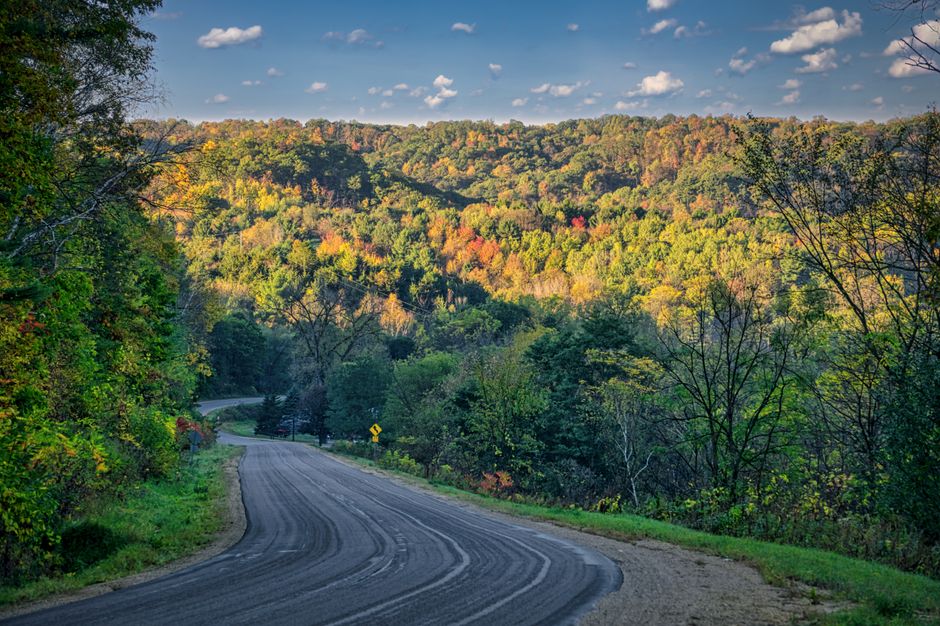
While the American Midwest might be quietly cultivating what many consider fall’s most electric foliage, a symphony of color that ignites forests and riverbanks with an intensity rivaling any national treasure, leaf peepers needn’t confine their autumnal pilgrimage to this heartland. The sheer density and diversity of deciduous trees in states like Minnesota, Wisconsin, Michigan, and Ohio, coupled with the unique interplay of light and landscape, often create a visual spectacle of unparalleled vibrancy. The broad leaves of maples, oaks, and aspens, drawing moisture from a rich, often fertile soil and experiencing distinct temperature fluctuations, explode in a riot of crimson, gold, orange, and even deep purple. This isn’t merely a subtle shift; it’s a dramatic, almost fiery transformation. However, for those drawn to the allure of autumn’s painted panoramas, a world of breathtaking beauty awaits across the nation, each region boasting its own signature palette and captivating charm.
The Midwest’s claim to the most electric foliage rests on a confluence of factors. Consider the sheer acreage of mature hardwood forests. States like Minnesota, with its vast tracts of Boundary Waters Canoe Area Wilderness and Superior National Forest, offer an immersive experience where entire hillsides are ablaze. The northern reaches of Wisconsin and Michigan’s Upper Peninsula present a similar, if not more rugged, spectacle. Here, the crisp, cool air, often invigorated by the Great Lakes, encourages a rapid and intense color change. The tannins and anthocyanins responsible for the reds and purples often develop more pronouncedly when days are sunny and nights are cool and dry, a condition frequently found in these northern climes. The topography also plays a role; rolling hills interspersed with lakes and rivers create natural amphitheaters where the foliage is amplified by reflections, doubling the visual impact. Aspen groves, in particular, are a Midwestern marvel, their quaking leaves shimmering like a thousand golden coins against a cerulean sky. The slow, steady progression of color across these vast landscapes, often moving southward with the cooling temperatures, allows for extended viewing opportunities, transforming a simple drive into a mobile art exhibition. Towns nestled within these vibrant regions often embrace the season wholeheartedly, offering festivals, scenic drives specifically marked for optimal viewing, and farm-to-table experiences that celebrate the harvest alongside the visual bounty. The Mississippi River valley, too, offers a more gentle, yet equally stunning, display, with its riparian forests painting the riverbanks in warm, earthy tones that complement the vibrant hues of the surrounding uplands.
Yet, to overlook the fall foliage spectacles unfolding beyond the Midwest would be to miss a diverse and equally rewarding autumnal experience. New England, the undisputed doyenne of leaf-peeping, offers a classic, almost storybook, vision of fall. Vermont, New Hampshire, and Maine are synonymous with sugar maples turning fiery red, birch trees shimmering in gold, and the deep, saturated oranges of oaks. The rolling hills, quaint villages, and historic stone walls provide a quintessential New England backdrop that amplifies the beauty of the changing leaves. The crisp, invigorating air and the scent of woodsmoke create an atmosphere that is both invigorating and comforting. The Appalachian Mountains, stretching from Maine down through the Carolinas, present a different, yet equally compelling, canvas. The Blue Ridge Parkway and Skyline Drive in Virginia and North Carolina offer panoramic vistas where entire mountain ranges are draped in a patchwork of color. Here, the mix of oak, maple, hickory, and beech trees creates a more varied palette, with softer yellows, muted oranges, and subtle reds intermingling with the deeper greens of evergreens. The sheer scale of these mountain vistas is breathtaking, offering a sense of grandeur that is both humbling and awe-inspiring.
The Rocky Mountains, though perhaps less renowned for broadleaf deciduous color, offer a unique and striking fall experience dominated by the golden hues of aspens. Colorado, in particular, is a prime destination for "aspen fever." As the days shorten and temperatures drop, vast mountainsides are transformed into seas of shimmering gold. The stark beauty of the jagged peaks, dusted with early snow, provides a dramatic contrast to the vibrant yellow of the aspen groves, creating a visual symphony that is both wild and spectacular. The higher elevations mean that the aspen color often peaks earlier in the season, offering a chance to catch the autumn magic before winter’s full embrace. Driving through regions like Crested Butte or Independence Pass can be an unforgettable experience, with the wind rustling through the golden leaves creating a unique auditory as well as visual spectacle.
The Pacific Northwest, often associated with evergreen forests, also harbors hidden autumnal gems. While the dramatic coastlines and temperate rainforests might not be the first places that come to mind for fall color, regions like the Cascade Mountains and areas in western Washington and Oregon offer surprising displays. Vine maples and bigleaf maples contribute vibrant reds and oranges, often set against the deep, dark green of Douglas fir and cedar. The mist and rain that often characterize the region can add a unique, ethereal quality to the foliage, softening the colors and creating a moodier, more introspective beauty. Consider the Columbia River Gorge, where the transition of deciduous trees along the riverbanks provides a striking contrast to the evergreen backdrop.
Even California, a state known for its sunshine and diverse climates, offers fall foliage opportunities. The Eastern Sierra Nevada, particularly areas around Lake Tahoe and Yosemite National Park, boast stunning aspen groves that turn brilliant yellow and gold against the backdrop of granite peaks. Further south, the Sierra Foothills and even some urban parks experience a delightful transformation of trees like sycamores and oaks into shades of yellow, orange, and red. The cooler temperatures at higher elevations and in shaded canyons are crucial for developing this color.
The Southern Appalachians, particularly in states like Georgia and Tennessee, offer a more delayed but still beautiful fall color season. As the temperatures gradually cool, the mountain slopes come alive with a mosaic of colors. The slower progression of the season here can be an advantage for those who can’t travel earlier, allowing for a longer viewing window. The diverse mix of tree species contributes to a rich tapestry of hues, with the reds of dogwoods and sumacs, the yellows of hickories and beeches, and the oranges of maples all contributing to the spectacle.
Regardless of geographic location, several factors contribute to the intensity and longevity of fall foliage. Consistent rainfall during the spring and summer months is essential for healthy tree growth. Cooler temperatures, especially during the night, without an early frost, encourage the development of anthocyanins, the pigments responsible for vibrant red and purple colors. Sunny days help to produce sugars that are then trapped in the leaves, leading to brighter colors. The specific mix of tree species in any given area will dictate the dominant colors. For instance, areas with a high concentration of sugar maples will see more intense reds and oranges, while those dominated by aspens will be awash in gold.
For the dedicated leaf peeper, understanding the timing is paramount. Peak foliage in the Midwest, for example, often occurs in early to mid-October in the northern regions, progressing southward through the month. New England typically sees its peak in early to mid-October as well, with Vermont and New Hampshire often leading the charge. The Rockies’ aspen season is usually earlier, with peak color in late September to early October. The Pacific Northwest and California’s fall color windows vary widely depending on elevation and specific microclimates. Online resources and foliage tracking websites are invaluable tools for pinpointing the optimal time to visit any given region. These resources often provide detailed forecasts and real-time updates on color progression, allowing for meticulous planning.
When planning a fall foliage trip, consider more than just the colors. The experience is often enhanced by the surrounding activities and atmosphere. Charming small towns offer cozy inns, farm-to-table dining, and local craft fairs. Hiking trails provide an intimate encounter with the changing leaves, allowing for a deeper appreciation of the subtle shifts in color and texture. Scenic drives, often specifically designated as "fall foliage routes," offer a relaxed way to absorb the panoramic beauty. Many regions host fall festivals, harvest celebrations, and apple-picking events that add to the festive spirit of the season.
In conclusion, while the Midwest may indeed be home to some of the most electrifying fall foliage displays in the nation, the pursuit of autumnal beauty is a national endeavor. From the classic charm of New England to the rugged grandeur of the Rockies, the diverse landscapes of America offer an abundance of breathtaking color. Each region presents its unique interpretation of fall’s artistry, inviting all to partake in the magnificent, albeit fleeting, spectacle of the changing leaves. The Midwest’s vibrant hues are a powerful draw, but the kaleidoscope of autumn’s palette extends far beyond its borders, offering a wealth of unforgettable experiences for every leaf peeper.
