
One-Pot Meal Magic: Simplify Your Kitchen, Elevate Your Flavor
The humble one-pot meal represents a culinary revolution, a testament to efficiency, flavor maximization, and minimal cleanup. This approach, where all ingredients are cooked together in a single vessel, has gained immense popularity for its practicality and delicious results. Whether you’re a seasoned home cook seeking shortcuts or a beginner intimidated by complex recipes, the one-pot meal offers an accessible and rewarding pathway to satisfying and nutritious dishes. The beauty lies in its inherent simplicity: minimal dishes to wash, reduced cooking time, and a concentrated burst of flavor as ingredients meld and mingle in the pot. This article will delve deep into the world of one-pot cooking, exploring its benefits, common techniques, essential equipment, diverse ingredient possibilities, and providing guidance for crafting your own successful one-pot masterpieces.
The fundamental principle of the one-pot meal is the simultaneous cooking of various components in a single pot, pan, Dutch oven, or skillet. This allows for a harmonious development of flavors, where aromatics infuse liquids, proteins tenderize, and vegetables soften, all contributing to a cohesive and deeply satisfying dish. The magic happens through strategic layering and timing. Base aromatics like onions, garlic, and celery are typically sautéed first to build a flavorful foundation. Then, proteins might be seared, followed by the addition of liquids such as broth, wine, or tomatoes, and finally, vegetables and grains or pasta. The heat and moisture create a steamy environment that cooks everything evenly and efficiently. This method is particularly well-suited for dishes like stews, chilis, curries, risottos, pasta dishes, and even baked goods. The concentrated heat and enclosed cooking environment prevent moisture loss, resulting in tender meats and vibrantly cooked vegetables.
The benefits of embracing the one-pot meal are multifaceted and extend beyond the kitchen counter. Time Efficiency is perhaps the most celebrated advantage. By eliminating the need to cook components separately and manage multiple pans, the overall cooking and preparation time is significantly reduced. This is a game-changer for busy weeknights when time is a precious commodity. Furthermore, the Minimal Cleanup factor is undeniably appealing. Imagine serving directly from the pot, with only one or two items to wash at the end of the meal. This drastically reduces the post-meal burden, freeing up valuable time for relaxation or other activities. Flavor Infusion is another key benefit. As ingredients cook together, their juices and flavors intermingle, creating a depth and complexity that is often difficult to achieve with separate cooking methods. This allows for a more intense and integrated taste profile in the final dish. Nutritional Value can also be enhanced. By cooking vegetables and proteins together, valuable nutrients that might otherwise be lost in separate cooking processes are retained. The inclusion of a variety of ingredients in a single pot also makes it easier to create balanced and complete meals. Finally, the Versatility of one-pot cooking is remarkable. From breakfast to dinner, and even desserts, nearly any cuisine or dietary preference can be accommodated within a one-pot framework. This adaptability makes it an indispensable tool for any home cook.
The success of a one-pot meal hinges on the right equipment. While a standard large skillet or pot can suffice for many recipes, investing in specific tools can elevate your one-pot game. A Dutch Oven is an absolute staple for many one-pot enthusiasts. Its heavy base and tight-fitting lid distribute heat evenly and retain moisture, making it ideal for braises, stews, and dishes that require simmering for extended periods. They are also oven-safe, expanding their versatility for baked one-pot meals. A Large Sauté Pan or Skillet with a Lid is another workhorse. Look for one with high sides to prevent splattering and a sturdy, well-fitting lid. These are perfect for pasta dishes, stir-fries, and quick-cooking meals. A Stockpot is useful for larger batches of soup or chili. For those who enjoy baked one-pot meals, a Casserole Dish or a Baking Dish can also be used. Beyond the primary cooking vessel, a good set of Measuring Cups and Spoons, a sharp Chef’s Knife, a sturdy Cutting Board, and a Wooden Spoon or Heat-Resistant Spatula are essential for preparation and stirring. For specific tasks, a Whisk for sauces or gravies and a Tongs for handling proteins can be beneficial.
The heart of any one-pot meal lies in its ingredients. The beauty is in the ability to combine a diverse array of components into a harmonious whole. Proteins are a natural fit. Think chicken thighs, boneless chicken breasts, ground meats (beef, turkey, lamb), sausages, pork tenderloin, fish fillets (sturdier varieties like cod or salmon work well), shrimp, tofu, and legumes like beans and lentils. Vegetables form the backbone of many one-pot dishes, adding color, texture, and nutrients. Common choices include onions, garlic, bell peppers, carrots, celery, potatoes, sweet potatoes, broccoli, cauliflower, spinach, kale, mushrooms, zucchini, and tomatoes. Grains and Starches provide substance and absorb delicious flavors. Rice (white, brown, arborio), pasta (short shapes like penne, rotini, or farfalle, as well as broken spaghetti or lasagna noodles), quinoa, couscous, barley, and even polenta are excellent additions. Liquids are crucial for cooking and flavor development. Broth (chicken, vegetable, beef), water, canned tomatoes (diced, crushed, pureed), wine (red or white), coconut milk, and cream are all commonly used. Aromatics and Seasonings are the flavor architects. Herbs (fresh or dried like thyme, rosemary, oregano, parsley, cilantro), spices (cumin, paprika, chili powder, curry powder, turmeric, ginger), bay leaves, lemon zest, and chili flakes all contribute to the overall taste profile. Fats like olive oil, butter, or coconut oil are essential for sautéing and adding richness.
Mastering one-pot cooking involves understanding a few fundamental techniques. Sautéing Aromatics is the crucial first step. Heating oil or butter in the pot and then cooking finely chopped onions, garlic, and other aromatics until softened and fragrant releases their flavor and forms the base for the dish. Browning Proteins adds depth of flavor and a desirable texture. Sear meats or poultry in batches to avoid overcrowding the pot, which can lead to steaming rather than browning. Deglazing is a technique where liquid (wine, broth, water) is added to the hot pot after browning ingredients, scraping up any browned bits stuck to the bottom. These bits are packed with flavor and contribute significantly to the sauce. Simmering is the gentle cooking of ingredients in liquid over low heat. This allows flavors to meld and proteins to tenderize without becoming tough. Adding Ingredients in Stages is key for optimal cooking. Softer vegetables and grains that cook quickly are added later in the process, while tougher ingredients like root vegetables or whole grains are added earlier. Resting can also be beneficial for some one-pot meals, allowing the flavors to meld further after cooking.
Let’s explore some popular one-pot meal categories and their common ingredient combinations.
One-Pot Pasta: This category is a weeknight savior. Start with sautéed garlic and onions in olive oil. Add dried pasta (penne, fusilli, rigatoni work well), broth or water, canned tomatoes, and your choice of vegetables like spinach, bell peppers, or zucchini. Season with herbs like basil and oregano, and simmer until the pasta is al dente and the sauce has thickened. Top with grated Parmesan cheese. Variations include creamy chicken pasta with chicken broth and a splash of cream, or a hearty sausage and kale pasta.
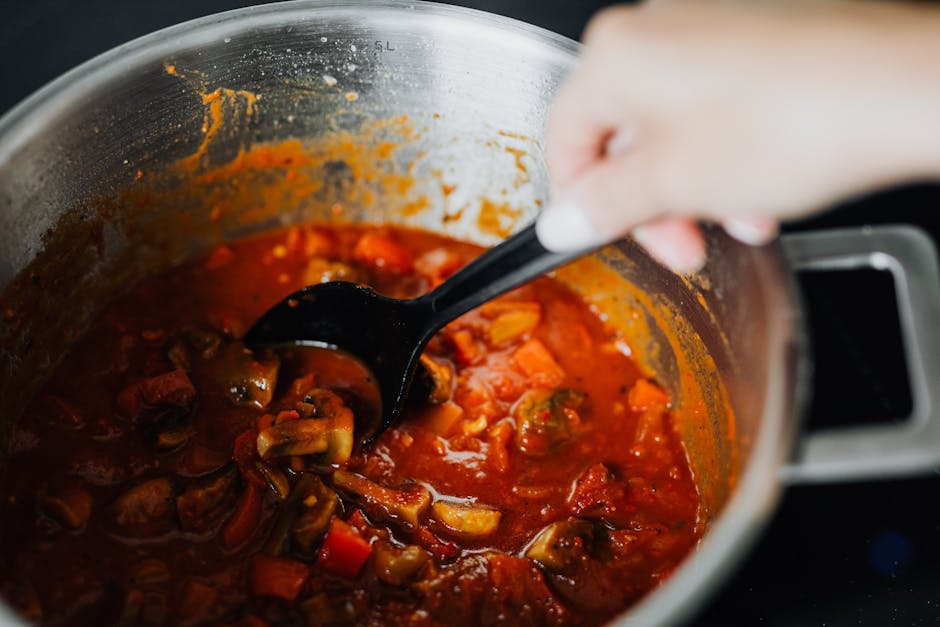
One-Pot Soups and Stews: These are the quintessential comfort foods. Begin by sautéing mirepoix (onions, carrots, celery) in oil or butter in a Dutch oven. Add your protein – beef chuck for stew, chicken pieces for soup, or ground meat for chili. Brown the protein, then add liquids like broth, diced tomatoes, and wine. Introduce your chosen vegetables (potatoes, sweet potatoes, root vegetables for stews; leeks, corn, peas for soups) and grains like barley or rice. Season generously with herbs and spices. Simmer until all ingredients are tender. Lentil soups and bean stews are excellent vegetarian and vegan one-pot options.
One-Pot Curries: Embrace global flavors with a one-pot curry. Sauté onions and garlic in oil, then add curry paste or powder and toast for a minute to release its fragrance. Add your protein (chicken, lamb, tofu, chickpeas) and sear briefly. Pour in coconut milk or broth, along with diced tomatoes and your preferred vegetables (cauliflower, peas, sweet potatoes, spinach). Add aromatics like ginger and spices like turmeric and cumin. Simmer until the protein is cooked through and the vegetables are tender. Serve with rice.
One-Pot Rice Dishes: Risotto is a classic example, but other rice dishes are equally achievable. Sauté aromatics, then add rice (such as arborio for risotto, or basmati/jasmine for pilafs). Toast the rice briefly before adding hot broth or water, and your protein and vegetables. Stir frequently for risotto to achieve creaminess, or let it simmer gently for pilafs. Baked rice dishes, where rice is layered with other ingredients and liquid in a baking dish and then baked, also fall under this umbrella.
One-Pot Skillet Meals: These are often quick-cooking and perfect for weeknights. Sauté chicken or sausage, then add vegetables like bell peppers, onions, and broccoli. You can also add grains like couscous or pre-cooked rice, along with a flavorful sauce or broth. A popular example is a chicken and rice skillet with soy sauce, ginger, and garlic.
When crafting your own one-pot creations, consider the Cooking Times of Ingredients. Denser, harder vegetables like potatoes and carrots will need more time to cook than softer vegetables like spinach or peas. Similarly, tougher cuts of meat will require longer simmering times than tender fish or chicken breasts. Liquid Ratio is also crucial. Too little liquid will result in a dry dish, while too much will lead to a soupy consistency. It’s often better to start with slightly less liquid and add more if needed. Seasoning Throughout the cooking process is important. Taste and adjust seasonings at various stages to ensure a well-balanced flavor profile. Don’t be afraid to experiment with Herb and Spice Combinations. This is where you can truly personalize your one-pot meals and discover new favorite flavor profiles.
For those following specific dietary guidelines, one-pot meals offer excellent adaptability. Vegetarian and Vegan One-Pot Meals can be centered around legumes, tofu, tempeh, a wide array of vegetables, and grains. Vegetable broths and plant-based milks are ideal liquids. Gluten-Free One-Pot Meals can easily be achieved by using naturally gluten-free grains like rice, quinoa, or corn, and avoiding wheat-based pastas or flours. Low-Carb One-Pot Meals can focus on protein and non-starchy vegetables, utilizing cauliflower rice or shirataki noodles as a base.
The journey into one-pot meal magic is one of discovery and simplification. By embracing the principles of efficient cooking, flavor integration, and minimal cleanup, you unlock a world of delicious and accessible meals. From busy weeknights to leisurely weekends, the one-pot meal stands as a testament to the fact that culinary excellence doesn’t always require an abundance of time or equipment. With a little planning and a willingness to experiment, you can transform your kitchen into a hub of flavorful, hassle-free cooking. The continued popularity of this cooking style is a clear indicator of its enduring appeal and its ability to deliver satisfying and wholesome meals with unparalleled ease.
