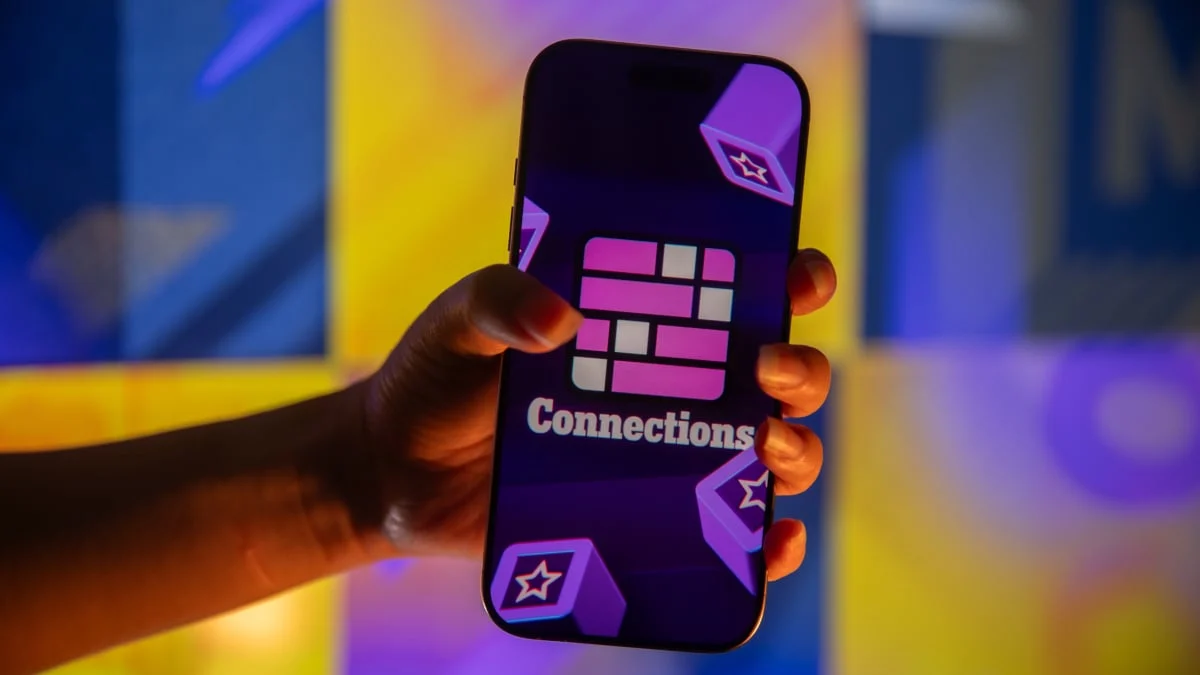
The latest installment of the New York Times Connections puzzle presents a rewarding challenge, particularly for individuals with a keen interest in action cinema. This daily word game, which has rapidly ascended to become one of the most popular offerings within the New York Times Games section, centers on the intricate task of identifying the underlying "common threads between words." Much like its viral predecessor, Wordle, Connections operates on a daily cycle, resetting at midnight and frequently introducing increasingly complex sets of words, prompting players to seek out assistance in the form of hints and strategic guidance. For those who prefer to unravel the puzzle independently, this article provides a comprehensive approach, offering clues, strategic tips, and ultimately, the solution for today’s challenge.
Understanding the Mechanics of NYT Connections
The New York Times’ foray into daily word games, spearheaded by associate puzzle editor Wyna Liu, has resonated strongly with a broad audience, solidifying its status as a social media phenomenon. Connections, accessible via both web browsers and mobile devices, requires players to meticulously group four words that share a common, often subtle, thematic link. Each daily puzzle comprises a grid of 16 words, which are then segmented into four distinct categories. These categories can encompass a wide array of subjects, ranging from literary works and software titles to geographical locations and, as evidenced by today’s puzzle, cinematic genres. While multiple word combinations might appear plausible, only one definitive set of four words satisfies each category’s criteria.
The gameplay mechanics are designed to be both engaging and forgiving, within limits. Successfully identifying a correct group of four words results in their removal from the board, paving the way for the remaining words. Conversely, an incorrect guess incurs a mistake, and players are allotted a maximum of four such errors before the game concludes. To aid players in their endeavors, the game offers a "shuffle" feature, allowing for the rearrangement of words on the board to potentially reveal connections more readily. Furthermore, the categories are color-coded to indicate their relative difficulty: yellow represents the most straightforward category, followed by green, blue, and the most challenging, purple. Similar to Wordle, players are encouraged to share their puzzle-solving achievements on social media platforms, fostering a sense of community and friendly competition.
Strategic Approaches to Today’s Connections Puzzle
Navigating the intricacies of the Connections puzzle often requires a multi-faceted approach. Players are advised to begin by scanning the entire grid of 16 words, looking for any immediate or obvious thematic links. Sometimes, a straightforward category, such as a list of well-known cities or common household items, can provide an initial foothold. Once a potential group of four is identified, players should test their hypothesis by submitting the group. If correct, these words are removed, simplifying the remaining word pool.
When direct connections are not readily apparent, players may need to consider less literal associations. This can include looking for words that are homophones, synonyms, antonyms, or words that are commonly used in conjunction with each other (collocations). For instance, if words like "star," "galaxy," "planet," and "comet" appear, the category would likely be "Celestial Bodies." Similarly, words associated with a particular activity, such as "run," "jump," "swim," and "bike," might fall under "Athletic Pursuits."
The color-coded system serves as a valuable guide. If a player is struggling to find any connections, focusing on the yellow category first is often the most efficient strategy. As more groups are successfully identified, the remaining words become fewer, and the potential connections for the harder categories (green, blue, and purple) become more evident. It is also beneficial to consider words that, at first glance, seem to belong to different categories. Sometimes, a word can have multiple meanings, and its placement in a specific category depends on the intended association within the puzzle’s design. For example, the word "bank" could relate to a financial institution or the edge of a river, and its correct grouping will depend on the other words present.
Hints for Today’s Connections Categories
For those seeking a slight nudge without revealing the entire solution, the current puzzle’s categories lean heavily into the realm of action-packed cinema. Players might find it beneficial to consider common tropes, iconic elements, and thematic consistencies found within films that emphasize high-octane sequences, dramatic confrontations, and often, a clear protagonist-antagonist dynamic. Think about the archetypes of characters, the types of conflicts they engage in, and the settings that frequently serve as backdrops for thrilling narratives.
Unveiling Today’s Connections Categories and Solution
After careful consideration and a thorough examination of the word grid, the four categories for today’s New York Times Connections puzzle have been identified. The puzzle’s design strongly suggests an exploration of elements commonly associated with the action movie genre.
The categories are as follows:
- Explosives: This category likely includes words directly related to or descriptive of items or events involving detonations and forceful ruptures, a staple in many action sequences.
- "Die Hard" Villains: This grouping points to specific antagonists or characters who have played a significant role in the iconic "Die Hard" film franchise, known for its intense action and memorable villains.
- Action Movie Set Pieces: This category comprises words that describe distinct, often elaborate, and climactic scenes or sequences that are characteristic of action films, such as car chases, shootouts, or hand-to-hand combat.
- Words Meaning "Fast": This final category likely contains a collection of synonyms or related terms that all convey the concept of speed, a crucial element in maintaining the pace and excitement of action cinema.
The Complete Solution for Connections #1045
For players who have exhausted their attempts or are eager to see the resolved puzzle, the specific words and their corresponding categories for today’s Connections puzzle are:
- Explosives: BOMB, DYNAMITE, NITRATE, TNT
- "Die Hard" Villains: ALAN, GRUBER, MCCLANE, TAKEOVER
- Action Movie Set Pieces: CHASE, ESCAPE, SIEGE, SHOWDOWN
- Words Meaning "Fast": BLISTERING, HURRIED, RAPID, SWIFT
This particular puzzle, with its focus on action movie elements, offers a satisfying challenge for those familiar with the genre’s conventions and vocabulary. The inclusion of specific references, such as "Die Hard" villains, adds a layer of pop culture relevance that can make the solving process even more engaging for fans.
Broader Implications and Player Engagement
The sustained popularity of the New York Times Connections puzzle underscores a broader trend in digital entertainment: the appeal of accessible yet intellectually stimulating games that can be enjoyed in short bursts. The social sharing aspect further amplifies its reach, creating a shared experience among a global audience. The game’s ability to adapt its difficulty and themes, as seen with today’s action movie focus, ensures continued engagement and keeps the puzzle fresh for its dedicated player base. As the NYT Games section continues to expand its offerings, including titles like Wordle, Strands, and various crossword puzzles, it solidifies its position as a significant player in the digital puzzle market, catering to a diverse range of cognitive interests and preferences. The ongoing success of Connections demonstrates a clear demand for word-based challenges that blend trivia, logic, and a touch of cultural relevance.