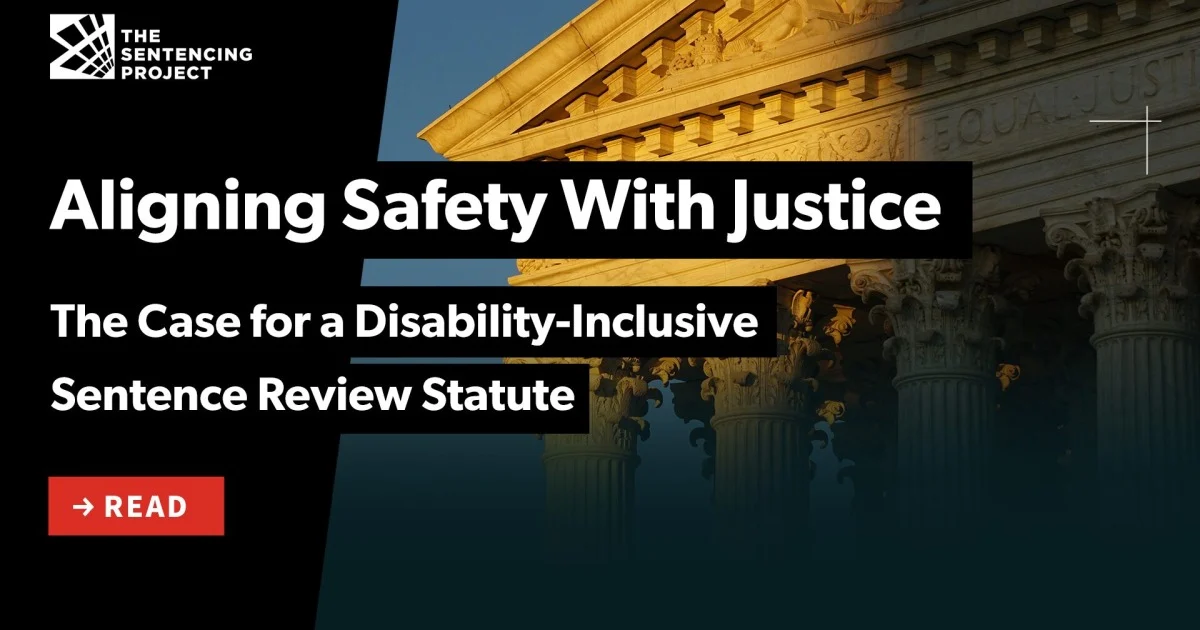
The disparity in representation is stark. According to recent data from The Sentencing Project, individuals with one or more impairments make up 38% of the state and federal prison population, compared to only 15% of the general U.S. population. This means that incarcerated individuals are roughly two and a half times more likely to live with a disability than the average citizen. Proponents of the new model statute argue that these figures are not merely a reflection of underlying crime rates, but rather evidence of a systemic failure to account for how disabilities influence interactions with law enforcement and the subsequent legal process.
The Cycle of Vulnerability and Criminalization
The journey through the justice system for a person with a disability is fraught with unique obstacles that often begin before a crime is even committed. Research indicates that disabilities—ranging from sensory and mobility impairments to cognitive and intellectual challenges—can significantly affect a person’s behavior, social functioning, and communication styles. In high-stress scenarios, such as a police encounter, these differences in behavior may be misinterpreted by law enforcement officers as non-compliance, aggression, or deceit.
This misinterpretation frequently serves as a catalyst for unnecessary arrests and heightened charges. Once an individual enters the courtroom, the lack of appropriate accommodations can further undermine their due process rights. Defendants with cognitive impairments may struggle to comprehend complex legal proceedings, while those with communication disabilities may be unable to effectively assist in their own defense.
Even when convictions are secured, the systemic exclusion continues. Incarcerated individuals with disabilities often find themselves barred from essential rehabilitative programming. Programs designed to help inmates earn credits toward early release or prepare for life after prison are frequently inaccessible to those with physical or cognitive barriers. Furthermore, the environment of a prison—often high-noise, high-stress, and physically restrictive—can exacerbate existing conditions or cause the development of new secondary disabilities. When these individuals are disciplined for behavioral infractions that may be rooted in their disability, they are often penalized with longer sentences or the loss of parole eligibility, creating a cycle that makes successful reentry nearly impossible.
Anatomy of the Proposed Model Statute
The model statute proposed by The Sentencing Project is designed to create a bridge between these individuals and the judicial system. Under this framework, a “second look” would be triggered by an evaluation of how an individual’s disability contributed to their circumstances. Specifically, the eligibility criteria would include cases where a disability played a role in:
- The nature of the offense itself.
- The individual’s behavior or misperceptions during the time of arrest.
- The inability to fully access due process or effective legal representation.
- The struggles experienced while incarcerated, such as the inability to participate in programming or the accrual of disciplinary infractions.
- The creation of barriers to developing a viable reentry plan.
By incorporating these five factors, the statute seeks to align sentencing outcomes with the actual culpability of the defendant. It acknowledges that, in many instances, the severity of a sentence is a result of the system’s inability to accommodate the person, rather than a reflection of their danger to the community or their capacity for change.
Addressing the Aging Inmate Population
A crucial component of the argument for second look legislation is the role of the aging process in criminal desistance. It is a well-established criminological fact that the risk of re-offending drops precipitously as an individual ages. Studies have shown that for those with criminal records, once an individual reaches a period of roughly seven years without a new arrest, their risk of recidivism becomes nearly indistinguishable from that of the general population.
For people with disabilities, this natural maturation process is often ignored in favor of rigid, mandatory sentencing guidelines. By failing to provide a pathway for judicial review, the state effectively warehouses individuals who have long since aged out of the “high-risk” window. Implementing a second look statute would allow courts to exercise discretion, reviewing the individual’s current health, their age, and their demonstrated growth while in custody. This not only promotes fairness but also addresses the escalating costs of long-term geriatric care in the prison system, which currently places a significant burden on state budgets.
Training: A Necessary Foundation
The proposed statute is not intended to function in a vacuum. Recognizing that laws are only as effective as their implementation, The Sentencing Project emphasizes the need for mandatory, ongoing training for all stakeholders in the legal system. This includes police officers, prosecutors, defense attorneys, and judges.
Training programs would focus on identifying different types of disabilities and, more importantly, understanding the legal obligations under both federal and state law to provide reasonable accommodations. In many current cases, the failure to provide a sign language interpreter, accessible legal documents, or appropriate medical support is a violation of the Americans with Disabilities Act (ADA). By mandating education, the initiative aims to shift the culture of the legal system from one of reactive punishment to one of informed, equitable justice.
The Broader Context of Legal Reform
The push for disability-focused second look statutes arrives during a period of intense scrutiny regarding extreme sentencing in the United States. Across the country, courts and state legislatures are wrestling with the constitutionality of life-without-parole sentences, particularly for those convicted of felony murder or those sentenced as juveniles.
For instance, the ongoing legal crisis in Pennsylvania, where over 1,100 felony murder cases remain in legal limbo following the Commonwealth vs. Lee ruling, highlights the urgency of legislative intervention. While that specific case pertains to mandatory life sentences, it mirrors the broader sentiment that the criminal legal system must provide a mechanism to revisit cases where the initial sentence no longer aligns with evolving standards of justice or the personal evolution of the defendant.
Legislators in 15 states and the District of Columbia have already acknowledged the need for second look hearings for specific vulnerable populations. These laws recognize that the criminal justice system is not a static entity and that judges must retain the ability to consider individual circumstances after a significant period of incarceration has passed. Extending these protections to people with disabilities would be a logical, evidence-based progression of this trend.
Implications for the Future of Criminal Justice
The inclusion of people with disabilities in second look legislation carries profound implications for the ethics of the justice system. It challenges the assumption that long-term incarceration is the only way to manage individuals who do not fit the “standard” profile of a defendant. By creating a pathway for review, the justice system can begin to account for the role of cognitive and physical impairments in the lifecycle of a case.
Critics of such measures often raise concerns about public safety, but the evidence suggests that targeted sentence reviews do not result in higher recidivism rates. On the contrary, allowing for the reintegration of individuals who have matured, undergone rehabilitation, and managed their disabilities can lead to stronger, more stable communities. When the system acknowledges the unique barriers faced by people with disabilities, it moves closer to the ideal of individualized justice—a system that treats people not as statistics, but as human beings capable of growth.
As the proposal gains traction in policy circles, the focus will likely shift to the drafting of state-level statutes. The success of this initiative will depend on the willingness of lawmakers to recognize that disabilities are not a barrier to reform, but a factor that necessitates a more nuanced approach to sentencing. By adopting these standards, jurisdictions would be taking a significant step toward addressing the inequities that have for too long defined the experience of people with disabilities within the reach of the law.
In conclusion, the call for disability-inclusive second look laws is a call for systemic maturity. It asks that the legal system demonstrate the same capacity for growth and adaptation that it expects of the individuals it holds in custody. Through a combination of legislative reform, specialized training, and a commitment to data-driven decision-making, the United States has the opportunity to reduce its reliance on excessive incarceration while ensuring that its legal processes remain both just and accessible to all citizens, regardless of their physical or cognitive abilities.