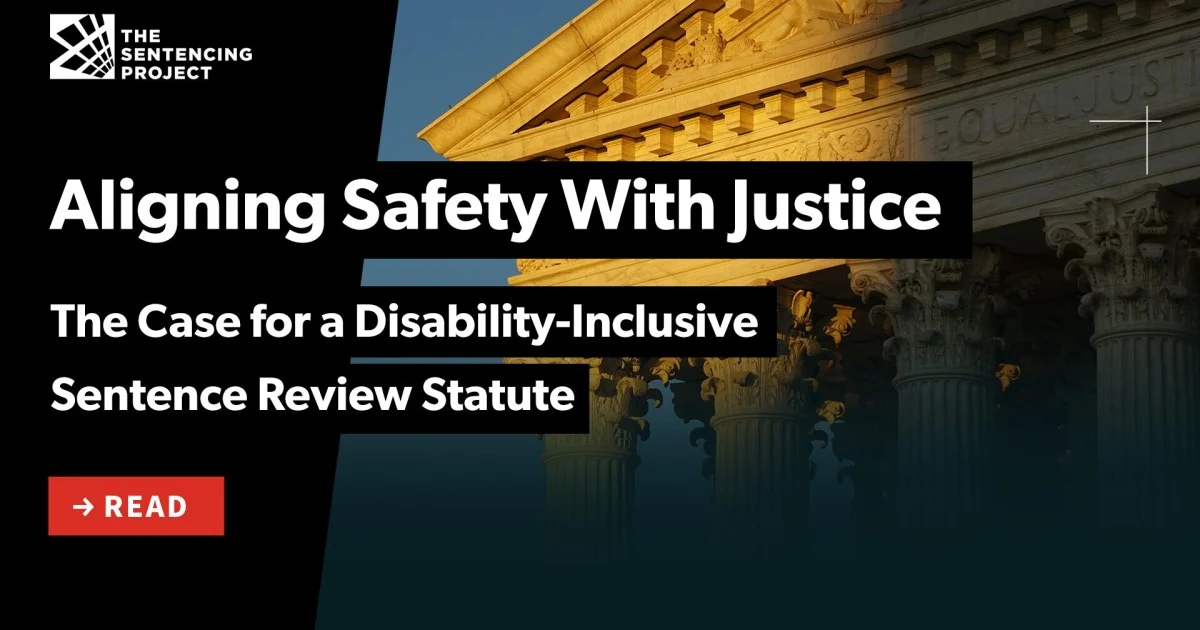
The United States criminal legal system is currently facing a critical examination regarding its treatment of individuals with physical, cognitive, and social disabilities. Data from The Sentencing Project indicates that while people with disabilities represent approximately 15% of the general U.S. population, they constitute roughly 38% of the incarcerated population in state and federal facilities. In response to this stark disparity, advocacy groups are calling for the adoption of "disability second look" statutes—legislative mechanisms designed to provide individuals with disabilities who are serving long-term sentences the opportunity for judicial sentence review.
This proposal arrives at a time when the broader national conversation on criminal justice reform has increasingly turned toward the concept of the "second look," a framework that acknowledges the capacity for human growth and the decline in recidivism risk as individuals age. While many jurisdictions have begun to implement such measures for specific demographics—including youth, veterans, and survivors of domestic violence—the specific needs of the disability community have largely been overlooked in current legislative agendas.
The Disproportionate Impact of the Legal System on People with Disabilities
The overrepresentation of people with disabilities in the carceral system is not merely a statistical anomaly; it is the result of systemic friction at every stage of the legal process. Research suggests that disabilities can fundamentally alter an individual’s behavior, communication style, and functional capacity, leading to negative outcomes during encounters with law enforcement.
In many instances, behavioral manifestations of a disability—such as sensory processing issues, communication barriers, or cognitive delays—are misinterpreted by officers as defiance, aggression, or non-compliance. This misinterpretation frequently escalates police encounters, increasing the likelihood of arrest. Once the process moves into the courtroom, these same factors can impede an individual’s ability to effectively participate in their own defense, potentially denying them due process.
Furthermore, the structure of modern prisons often fails to accommodate those with impairments. Individuals with disabilities are frequently excluded from essential rehabilitative programming, educational opportunities, and vocational training, not necessarily due to a lack of merit, but due to a lack of institutional accessibility. This cycle of exclusion exacerbates the challenges of reentry, as these individuals are released without the same level of preparation as their non-disabled counterparts.
Defining the Model Statute for Disability Second Look
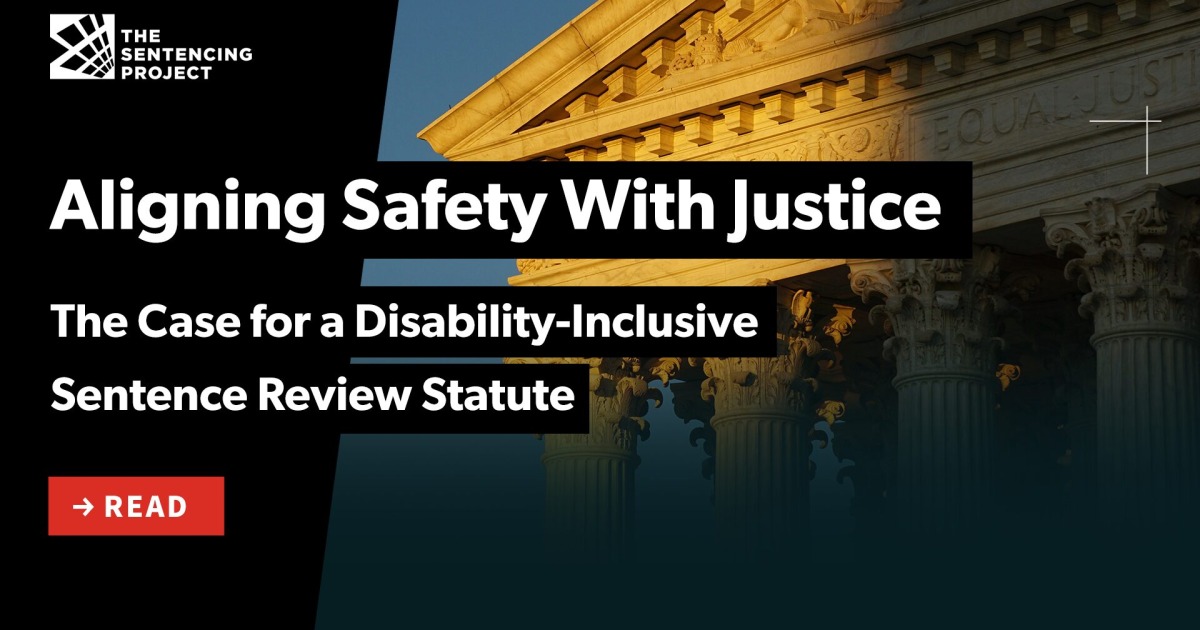
To address these systemic barriers, The Sentencing Project has outlined a model statute that provides a structured path for sentence review. Under this proposal, an individual would become eligible for a "second look" hearing if their disability played a material role in several key areas of their legal history.
First, the statute considers if a disability contributed to the nature of the offense itself. Second, it evaluates whether the disability influenced the individual’s behavior or misperceptions during or after the arrest. Third, it examines whether the disability precluded the individual from fully accessing due process rights, particularly regarding the quality of legal representation and understanding of court proceedings.
Fourth, the statute looks at the experience of incarceration, specifically whether the disability caused the individual to be unfairly disciplined for infractions, denied access to prison programming, or if the individual acquired additional disabilities during their time in custody. Finally, the statute considers whether these impairments created significant obstacles to developing a viable, safe, and successful reentry plan.
This model mirrors existing laws that have already been vetted by 15 state legislatures and the District of Columbia. Proponents argue that the framework is not a request for leniency, but a request for equity—ensuring that the legal system accounts for the same mitigating factors that it currently recognizes for other vulnerable populations.
Chronology of Advocacy and Legal Precedents
The movement for "second look" legislation has gained momentum over the last decade, driven by a growing body of criminological research. In 2016 and 2017, several states began to re-evaluate the constitutionality of life-without-parole sentences, particularly for juveniles. This shift in legal philosophy was heavily influenced by the recognition that the risk of re-offending declines significantly as people age.
By 2020, the focus expanded to include veterans, with states like California and New York passing legislation that allowed for sentence modification if a defendant’s military service—specifically related to trauma or PTSD—was a factor in their conviction.
The current push for disability-specific legislation follows a series of high-profile rulings and reports, such as the 2026 developments in Pennsylvania regarding felony murder cases. As the legal community struggles with the retroactive application of rulings like the Commonwealth vs. Lee, advocates are highlighting the urgency of codifying disability-inclusive review processes. The inability of the current system to reconcile these cases underscores the need for a standardized approach to sentence review that considers personal characteristics and evolving health statuses.
Supporting Data and Criminological Analysis
The scientific consensus on criminal behavior strongly supports the rationale behind second look statutes. The "age-crime curve" is a well-established phenomenon in sociology, indicating that criminal activity peaks in late adolescence and early adulthood, then declines sharply as people enter their 30s and 40s.
Beyond age, the length of time spent without an arrest is a highly reliable predictor of future behavior. Research has consistently shown that for individuals with criminal records, seven years without an arrest places their risk profile at nearly the same level as the general population. This "redemption point" is a critical piece of evidence for proponents of sentence review, who argue that keeping individuals incarcerated well past this point provides little additional public safety benefit and imposes an immense fiscal and moral cost on the state.
When disability is introduced into this equation, the argument for review becomes even more compelling. If a person’s disability—which is often chronic or degenerative—was the catalyst for their initial legal trouble, and if that individual has since matured and managed their condition, the justification for continued incarceration diminishes further.
Mandatory Training as a Foundational Component
A central tenet of the proposed legislation is the implementation of mandatory, comprehensive training for all stakeholders in the criminal legal system. The Sentencing Project emphasizes that passing a statute is insufficient if the professionals enforcing it do not have a granular understanding of disability.
This training would include:
- Law Enforcement: Recognizing the signs of cognitive or physical disability to prevent the escalation of non-violent encounters.
- Judges and Prosecutors: Understanding the legal obligations under the Americans with Disabilities Act (ADA) and similar state statutes to ensure that courtroom proceedings are accessible.
- Defense Counsel: Developing the expertise to identify when a client’s disability should be a factor in mitigation strategies or during sentence review hearings.
By embedding this education into the legal process, the goal is to shift the culture of the courtroom from one that is purely adversarial to one that is capable of nuanced, individualized justice.
Broader Implications and Future Outlook
The implications of implementing a disability-focused second look statute are significant. On a micro level, it would offer a pathway home for thousands of individuals who are currently serving time in conditions that do not support their health or their development. On a macro level, it would signal a profound shift in how the United States views the relationship between the criminal justice system and the disability community.
Critics of such measures often raise concerns about public safety and the potential for premature release. However, supporters point out that "second look" does not equate to "automatic release." The process would still involve rigorous judicial review, assessments by corrections officials, and the development of detailed reentry plans. It is a procedural safeguard, not a guarantee of freedom.
As of late 2026, no state has yet enacted a specific "disability second look" law. However, the legislative climate is shifting. As policymakers grapple with the aging prison population and the high costs of incarceration, the argument for using data-driven, compassionate reform is gaining traction.
The proposal by The Sentencing Project represents a logical extension of the broader movement to make the justice system more responsive to human reality. Whether or not this becomes a reality in the coming legislative sessions will depend on the willingness of lawmakers to acknowledge that, for many, the path to rehabilitation is obstructed not by a lack of will, but by a lack of accommodation. The call for a "second look" is ultimately a call for a legal system that recognizes the inherent dignity and capacity for change in all individuals, regardless of their physical or cognitive status.