The vision of human explorers working in tandem with advanced robotic counterparts on the lunar surface or the red sands of Mars is transitioning from the pages of science fiction into a tangible engineering objective. At the heart of this transformation is NASA’s Dexterous Robotics Team, based at the Johnson Space Center in Houston. As NASA intensifies its efforts to establish a sustained human presence on the Moon through the Artemis program and looks toward future crewed missions to Mars, the integration of highly capable, reliable robots has become a strategic priority. These machines are designed not to replace the human element, but to act as force multipliers, enhancing crew productivity, mitigating risk in extreme environments, and expanding the scope of what is possible in extraterrestrial exploration.
A Legacy of Humanoid Innovation
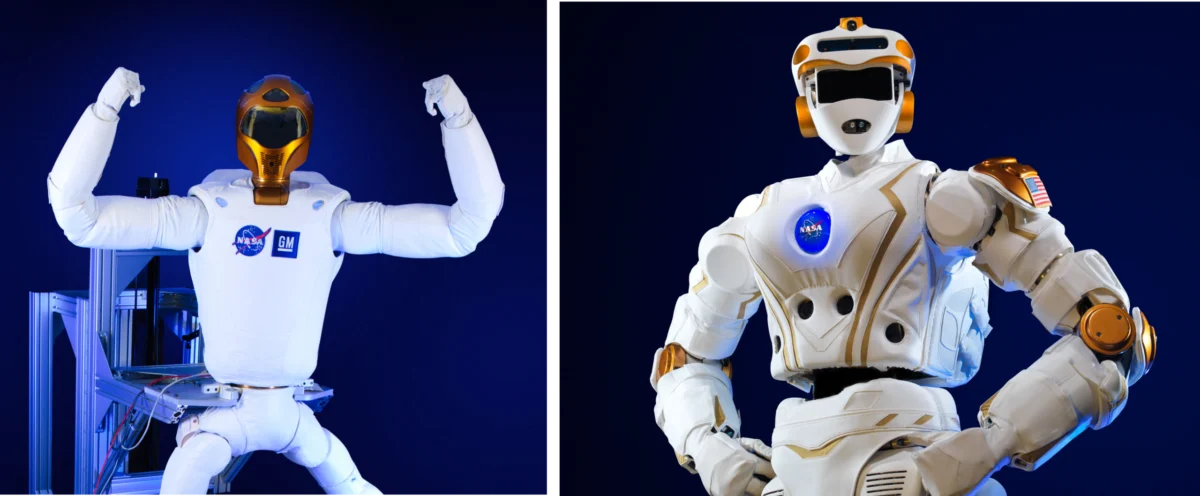
The foundation of the current Dexterous Robotics Team lies in decades of institutional knowledge and technical experimentation. The team’s evolution is deeply rooted in two landmark projects that redefined the agency’s relationship with humanoid robotics. The first, Robonaut 2 (R2), represented a significant leap in tele-robotics and autonomous capability. Launched to the International Space Station (ISS) in 2011, R2 became the first humanoid robot to operate in space, conducting a series of technology demonstrations that spanned seven years. It successfully performed tasks ranging from flipping switches to cleaning air vents, providing invaluable data on how robotic hardware performs in microgravity.
Following R2, NASA introduced Valkyrie, a bipedal humanoid robot designed with a robust, human-like structure capable of navigating complex, uneven terrain. The experience gained from building and maintaining Valkyrie provided the technical blueprint for the current team. Today, many of the engineers who cut their teeth on R2 and Valkyrie form the core of the 16-member Dexterous Robotics Team. This group operates within NASA’s Robotic System Technology Branch, a department characterized by a high degree of cross-functional expertise. Members are typically adept in mechatronics, electronics, and mechanical engineering, bolstered by sophisticated software development skills used for complex simulations and real-time operations.
The iMETRO Facility: Bridging the Gap Between Concept and Reality
A pivotal advancement in the team’s current operational strategy is the development of the Integrated Mobile Evaluation Testbed for Robotics Operations (iMETRO). Located at the Johnson Space Center, iMETRO serves as a centralized laboratory where terrestrial robotics technology is stress-tested for space-bound applications. The facility is designed to bridge the chasm between raw technological research and operational deployment.
The iMETRO infrastructure is multifaceted, comprising a blend of open-source software, high-fidelity simulations, physical mockups of space vehicles, and specialized habitat environments. It also includes an outdoor "rock yard," which mimics the lunar landscape, allowing engineers to test mobility and manipulation under conditions that approximate the craters and regolith of the Moon.
The primary utility of iMETRO is its ability to facilitate collaboration between disparate stakeholders. By providing a common digital and physical testing ground, NASA allows hardware manufacturers, software developers, and habitat architects to iterate in a shared space. According to Shaun Azimi, the team lead, this removes the "guesswork" from the development cycle. Rather than working in silos, designers of lunar habitats can work directly with robotics engineers to ensure that door handles, latch mechanisms, and interior layouts are optimized for both human and robot interaction.
Collaborative Synergy and Industry Impact
The scope of the Dexterous Robotics Team extends beyond the confines of NASA. The agency frequently engages with private industry and commercial partners to leverage robotic solutions for terrestrial applications that mirror the challenges of space. For instance, companies in the oil and gas sector have sought to adapt NASA-developed robotics for use in hazardous, high-pressure, or remote environments where human intervention carries extreme risk.
A recent success story involves a collaboration with PickNik Inc., a robotics software company. Using the iMETRO facility, the partners demonstrated a robotic arm’s ability to recognize a spacecraft hatch, execute the complex maneuver of turning a latch, and open the door to transfer cargo. This sequence, while seemingly simple for a human, represents a sophisticated milestone in computer vision, motion planning, and force feedback control. Similarly, the facility has supported NASA interns in developing automated maintenance routines for cold stowage freezers, demonstrating that off-the-shelf commercial hardware can be integrated into the rigorous safety standards of space station operations.
Strategic Rationale: Why Humanoids?
Critics and proponents alike often question the necessity of humanoid robotics when specialized, non-humanoid rovers have served NASA well for decades. The answer, according to the Dexterous Robotics Team, lies in the "human element." NASA’s facilities—whether they be spacecraft, lunar bases, or future Martian habitats—are designed by humans, for humans. They are built with doors, controls, tools, and interfaces meant to be operated by human hands.
"Our niche is working in environments designed for humans or working alongside humans," Azimi noted. By developing robots with human-like dexterity and form factors, NASA ensures that its robotic assets can seamlessly navigate existing infrastructure without requiring expensive, bespoke modifications to the spacecraft or habitat. If a robot is sized to fit through an airlock and equipped with hands capable of grasping standard-issue tools, it becomes an extension of the crew’s capabilities. This is particularly vital for long-duration missions where a robot can perform "dull, dirty, or dangerous" tasks—such as routine inspections, hazardous exterior repairs, or heavy lifting—allowing human explorers to focus on complex scientific research and decision-making.
Future Outlook and Mars Readiness
While the immediate focus of the Dexterous Robotics Team is the support of the Artemis missions and the establishment of a lunar base, the underlying technologies are being developed with a long-term horizon in mind. The challenges of the lunar surface—such as dust mitigation, extreme thermal cycling, and communication latency—are precursors to the even more arduous requirements of a Martian mission.
The team is currently preparing for a new NASA challenge, which will solicit ideas from the public to address technological bottlenecks for Mars exploration. This initiative underscores the agency’s commitment to open innovation and the belief that the solutions to space exploration’s most pressing problems may come from outside traditional aerospace circles.
Analytical Summary of Implications
The integration of robots into the human spaceflight architecture carries significant implications for the future of the space economy. By reducing the reliance on human extravehicular activity (EVA) for routine maintenance, NASA can significantly extend the operational lifespan of its lunar and Martian outposts. Furthermore, the development of these technologies creates a feedback loop: as terrestrial industries adopt these robotic advancements, the cost of specialized components drops, which in turn makes space exploration more affordable and sustainable.
The work being conducted at the Johnson Space Center is not merely an exercise in building machines; it is the construction of a new operational paradigm. By meticulously studying how robots perceive the world and interact with objects, NASA is creating a future where the boundary between human and machine is bridged by intelligence and reliability. As the Artemis program progresses, the Dexterous Robotics Team remains at the vanguard, ensuring that when humanity finally establishes a permanent presence on another world, we will not be alone—we will be accompanied by the most capable partners we have ever built.