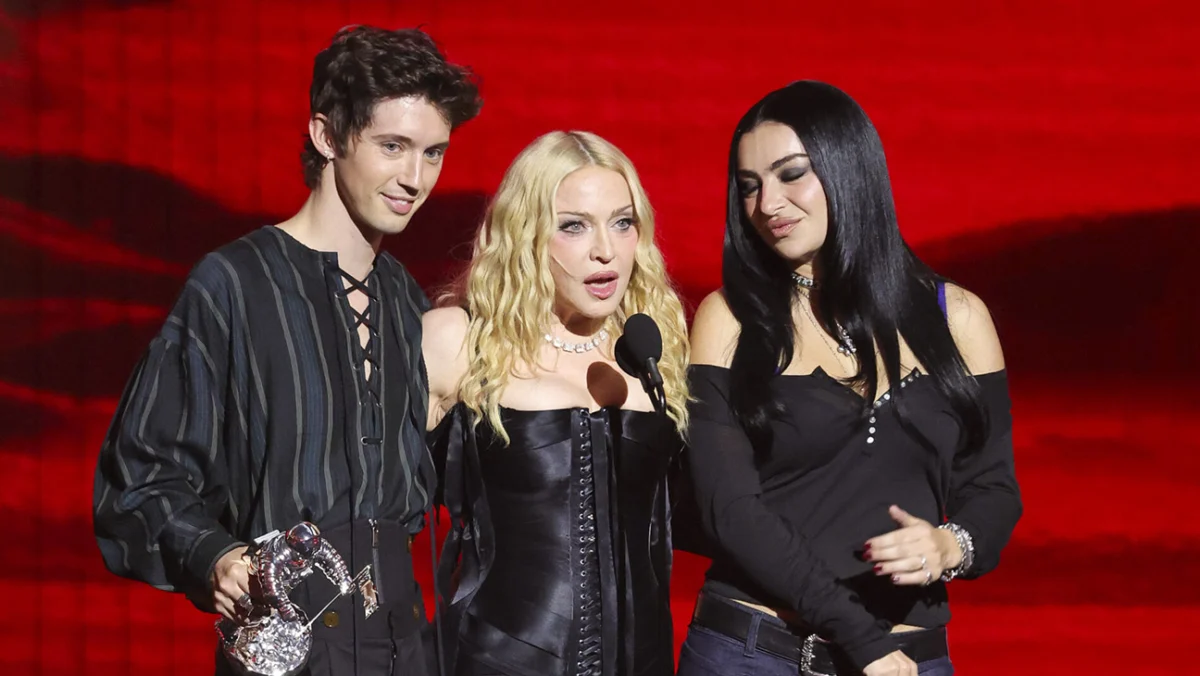
The 2026 MTV Video Music Awards returned to the cultural epicenter of Los Angeles on Sunday night, transforming the Peacock Theater into a sprawling stage for one of the most ambitious ceremonies in the network’s history. Broadcast live across CBS, MTV, and Paramount+, the event served as a high-octane synthesis of legacy artistry and the next generation of global pop icons. With Snoop Dogg presiding as master of ceremonies, the night oscillated between poignant tributes to departed legends and the unveiling of cutting-edge music videos that pushed the boundaries of visual storytelling.
The evening was defined by a commitment to spectacle, grounded in the rare logistical feat of bringing global stars together in the city that effectively birthed the modern music video industry. As the show returned to Los Angeles for the first time since 2017, the production value scaled significantly, leaning into elaborate set designs and high-concept choreography that underscored the VMAs’ historical role as a barometer for pop culture dominance.
The Opening Act: A Masterclass in Legacy and Innovation
Madonna, whose career is inextricably linked to the history of the VMAs, opened the night with a performance that felt both like a retrospective and a passing of the torch. Accompanied by contemporary stars Sabrina Carpenter and Charli XCX, the trio delivered a medley of "Bring Your Love" and "Danceteria Afterhours." The performance, which saw Madonna descending from a black grand piano before being carried across the stage by a choir dressed in nun habits, drew direct visual parallels to her controversial 2003 appearance.
The industry response to this opening set was immediate. By invoking the aesthetic of her legendary 2003 kiss with Britney Spears and Christina Aguilera, Madonna successfully bridged the gap between Gen X, Millennials, and Gen Z. This calculated nostalgia, paired with the modern, synth-heavy production of the set—modeled after the restrooms of the iconic NYC club Danceteria—highlighted the cyclical nature of pop influence. Minutes later, K-pop sensation Lisa secured the Best Pop award for "Dream" (feat. Kentaro Sakaguchi), signaling that while the night honored the foundations laid by veterans, the awards themselves were firmly focused on the international expansion of the genre.
Honors and Tributes: A Reflection on Artistic Impact
A significant portion of the evening was dedicated to acknowledging the profound influence of artists who have shaped the industry. The most emotional segment arrived when Chuck D of Public Enemy presented the Video Vanguard Award to the surviving members of Nirvana. Dave Grohl, Krist Novoselic, and Pat Smear accepted the honor, which served as a somber yet celebratory reflection on the band’s raw, anti-mainstream ethos. Novoselic’s poignant remark, crediting the late Kurt Cobain for the visionary direction of their music videos, underscored the band’s enduring relevance in a media landscape that is increasingly formulaic.
In a separate, equally resonant moment, Kacey Musgraves performed a remote tribute to the late Dolly Parton. While Musgraves did not appear at the Peacock Theater, her rendition of "I Will Always Love You" was broadcast to the audience, serving as a solemn bookend to the tributes honoring Parton following her death in late August. This marked the second time Musgraves publicly honored the country icon in a matter of weeks, highlighting the deep-seated respect across generations of country and pop artists for Parton’s songwriting legacy.
The George Michael tribute added a layer of musical complexity to the night. While originally anticipated to focus heavily on the 1987 album Faith, the segment evolved into a multi-generational performance featuring Sombr, Raye, Teddy Swims, and a surprise appearance by Adam Lambert. By expanding the setlist to include "Careless Whisper" and "Freedom ’90," the organizers emphasized the breadth of Michael’s career, effectively positioning him as a titan whose influence transcends his commercial peak.
Taylor Swift’s Record-Breaking Achievement
The night belonged, in many ways, to Taylor Swift, who once again reshaped the record books. By winning Video of the Year for "The Fate of Ophelia," Swift solidified her status as the most decorated artist in the category’s history. Her acceptance speech provided a rare technical look at her creative process, as she expressed gratitude to cinematographer Rodrigo Prieto and choreographer Mandy Moore, emphasizing the difficulty of "hiding cuts" to simulate a continuous shot.
Beyond the hardware, Swift utilized the VMA stage to premiere the music video for her latest single, "Patient Zero." The cinematic short, which features Dakota Johnson and Colin Farrell, marks a shift toward more narrative-driven, dark-themed storytelling in Swift’s videography. The video, which explores themes of toxic relationships and betrayal through a lens of psychological horror, sparked immediate debate across social media platforms, proving that the VMAs remain the primary platform for high-stakes music video debuts.
Host Dynamics and Production Context
Snoop Dogg’s tenure as host provided a comedic, albeit sharp, through-line for the night. His opening monologue—which included a lighthearted jab at Madonna—helped ground the event in a sense of informality that balanced the evening’s heavier tributes. His quip regarding the location of the ceremony served as a reminder of the VMAs’ prestige: artists and fans alike place significant value on the event being held in a traditional entertainment hub like Los Angeles.
The operational success of the event was notable. By utilizing the Peacock Theater, MTV ensured a high-density, high-energy environment that allowed for the complex stage transitions required for performances like Gener8ion and Yung Lean’s closing set. Their performance of "Storm," which mirrored the viral choreography of Damien Jalet, brought the night to a thunderous conclusion, earning one of the most enthusiastic audience responses of the evening.
Broader Implications and Industry Trends
The 2026 VMAs provided a clear snapshot of where the music industry stands in the mid-2020s. First, the dominance of global pop—exemplified by Lisa’s win and the international reach of the performers—demonstrates that the "mainstream" is no longer defined by geographic borders. The success of acts like Raye, whose hit "Where Is My Husband!" has thrived via organic social media traction, illustrates the shifting power dynamics of music discovery.
Second, the heavy reliance on tributes and legacy honors points to an industry currently preoccupied with cementing its historical narrative. With the deaths of icons like Dolly Parton and the ongoing celebration of 90s alternative rock, there is a clear institutional push to archive the influence of the 20th century before the digital age completely obscures the analog origins of pop stardom.
Finally, the focus on cinematic, long-form music videos—best seen in Swift’s "Patient Zero"—indicates that the format is far from dead. Despite the rise of short-form content on platforms like TikTok, the VMAs proved that artists still view the high-budget, narrative-driven video as the gold standard for artistic expression and brand identity.
Chronology of Major Highlights
- Opening: Madonna, Sabrina Carpenter, and Charli XCX perform a medley, setting a tone of high-concept nostalgia.
- Early Ceremony: Lisa performs "SaWaDiKa" and accepts the Best Pop award.
- Tributes: Kacey Musgraves airs a virtual tribute to Dolly Parton; later, a multi-artist homage to George Michael features an unannounced cameo by Adam Lambert.
- Legacy Moment: Chuck D honors Nirvana with the Video Vanguard Award; Dave Grohl and Krist Novoselic reflect on Kurt Cobain’s vision.
- Mid-Show: Raye performs a high-energy rendition of her viral hit "Where Is My Husband!"
- Swift Premiere: Taylor Swift debuts the cinematic video for "Patient Zero" and accepts the inaugural artist director honor.
- Final Award: Swift secures Video of the Year for "The Fate of Ophelia," extending her record.
- Conclusion: Gener8ion and Yung Lean close the show with "Storm."
As the industry looks toward 2027, the 2026 VMAs stand as a testament to the endurance of live performance. While the digital landscape changes, the demand for a centralized, televised event that can generate genuine cultural conversation remains high. By successfully balancing the gravity of musical history with the frantic energy of new pop, the 2026 awards ceremony solidified its role as an essential pillar of the global music industry.