
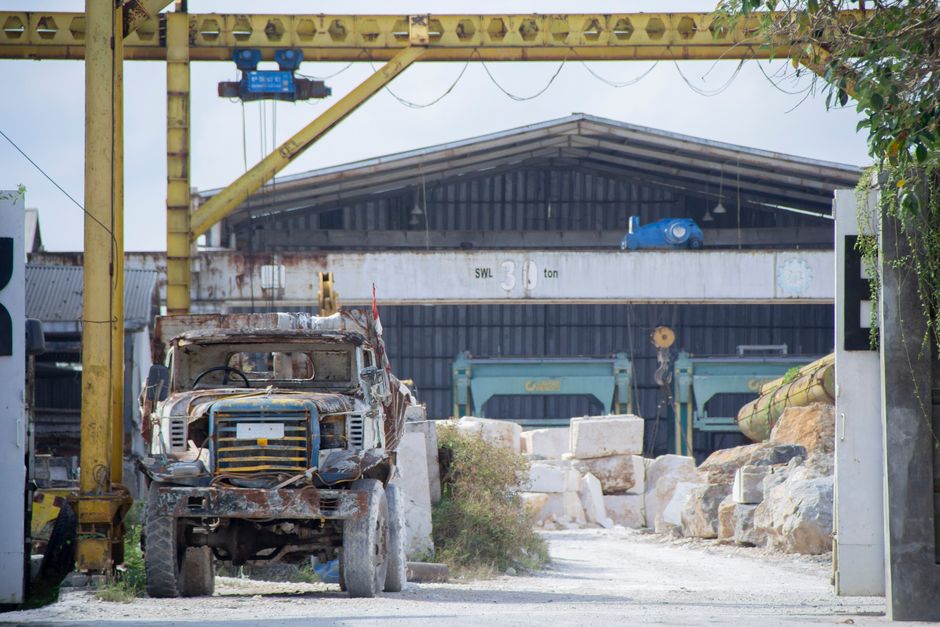
Quarry Worker Suffers Severe Injuries After 30-Foot Fall on Scales Road
A 26-year-old quarry worker sustained critical injuries following a significant fall from an estimated 30 feet onto Scales Road. The incident, which occurred during standard operational hours, has prompted an immediate investigation into the circumstances surrounding the accident and has raised concerns about safety protocols within the quarrying industry. Emergency services were dispatched to the scene promptly, providing immediate medical attention before transporting the worker to a nearby medical facility. The severity of his injuries is currently undisclosed, but preliminary reports suggest they are substantial, necessitating advanced medical intervention. This accident underscores the inherent dangers present in quarry operations and highlights the constant vigilance required to mitigate risks for personnel working in such environments. The specific nature of the worker’s duties at the time of the fall is still being ascertained, and investigators are meticulously examining the equipment, the work area, and any contributing factors that may have led to the precipitous descent.
The quarry, a site integral to local construction and material supply, has become the focal point of intense scrutiny following this traumatic event. The fall, reportedly from a significant height, raises immediate questions about the integrity of safety measures in place. Scales Road, a critical artery for accessing and maneuvering within the quarry, often involves working at various elevations, making fall prevention a paramount concern. The worker, identified only by his age, was reportedly engaged in tasks that placed him at risk of elevated falls. While details remain limited as investigations are in their nascent stages, the incident immediately triggers a review of standard operating procedures (SOPs) related to working at height, personal protective equipment (PPE) compliance, and the overall risk assessment protocols of the quarry. The sheer distance of the fall, approximately 30 feet, suggests a potential failure in safety netting, harness systems, or an unexpected loss of footing or structural integrity in the immediate vicinity. Emergency responders, including paramedics and fire rescue personnel, were on-site within minutes, demonstrating the preparedness of local emergency services for such critical incidents. The rapid response, while crucial for stabilizing the injured worker, also signifies the gravity of the situation. The worker’s immediate transport to a medical facility indicates a need for specialized care, likely involving orthopedic injuries, internal trauma, or head injuries, all of which are common consequences of significant falls.
The immediate aftermath of the fall saw a swift mobilization of emergency medical services. Paramedics, upon arriving at the scene on Scales Road, initiated life-saving interventions. The critical nature of the injuries sustained in a fall of this magnitude necessitates immediate stabilization and assessment. The worker was reportedly conscious but in severe distress, according to unconfirmed reports from the scene. The transport to a medical facility was conducted with the utmost urgency, underscoring the life-threatening potential of such an accident. The specific hospital and the worker’s current condition have not been publicly disclosed, a standard practice to protect patient privacy during such sensitive times. However, the fact that he was transported suggests that his injuries are beyond the scope of immediate on-site treatment and require advanced medical facilities. Injuries from a 30-foot fall can range from fractured bones and severe lacerations to internal bleeding, organ damage, and traumatic brain injuries. The long-term prognosis for the worker will heavily depend on the extent and nature of these injuries and the effectiveness of the medical care he receives. The quarry operations, at least in the immediate vicinity of the accident, have likely been halted, pending the outcome of the investigation and to ensure the safety of other workers.
This incident is a stark reminder of the inherent dangers present in the quarrying industry. Workers in this sector are routinely exposed to risks such as falling objects, heavy machinery, unstable ground, and, as tragically demonstrated here, significant falls. The height of 30 feet is a considerable distance, and a fall from such an elevation can result in catastrophic injuries. Industry safety regulations, enforced by bodies like the Occupational Safety and Health Administration (OSHA) in the United States, mandate rigorous safety protocols for working at height, including the use of fall arrest systems, guardrails, and proper training. The investigation into this specific incident will undoubtedly scrutinize whether all applicable regulations were followed. Key areas of focus will include the worker’s training and experience, the condition and proper use of any safety equipment, the stability of the work platform or area from which he fell, and any potential environmental factors that may have contributed to the accident, such as slippery surfaces or inadequate lighting. The very fact that a fall of this magnitude occurred on Scales Road, a presumably operational and regularly traversed area of the quarry, suggests a critical lapse in preventative measures or an unforeseen catastrophic failure.
The investigative process following a serious industrial accident like this is multifaceted and thorough. Authorities, including representatives from the relevant safety oversight agencies and potentially law enforcement, will be on-site to gather evidence. This will involve interviewing witnesses, including colleagues of the injured worker and supervisors, to establish a timeline of events and understand the immediate circumstances leading up to the fall. A detailed inspection of the accident site will be conducted, paying close attention to the point of origin of the fall. Investigators will examine the structural integrity of any platforms, scaffolding, or elevated work areas involved. Crucially, the functionality and proper use of all safety equipment will be assessed. This includes fall protection systems such as harnesses, lanyards, and anchor points, as well as any collective protection measures like guardrails or safety nets. The condition of machinery and tools used by the worker will also be scrutinized to rule out mechanical failure as a contributing factor. Furthermore, the quarry’s safety records, training logs, and risk assessment documentation will be reviewed to determine if established safety protocols were adequately implemented and adhered to. The goal of the investigation is not only to understand how this accident occurred but also to identify any systemic issues that may need to be addressed to prevent future tragedies.
The economic and operational impact on the quarry is likely to be significant. Operations at the site may be temporarily suspended, especially in the area where the incident occurred, to allow for a thorough investigation and to ensure the safety of remaining personnel. This suspension can lead to delays in production and supply chains, potentially affecting construction projects that rely on materials from this quarry. The financial burden of an accident of this severity can also be substantial, including costs associated with medical treatment, potential compensation claims, legal fees, and any fines or penalties imposed as a result of safety violations. Moreover, such an incident can have a profound impact on the morale of the workforce, fostering a climate of anxiety and concern about workplace safety. The quarry management will face immense pressure to demonstrate their commitment to safety and to implement corrective actions that rebuild trust among their employees. The long-term reputation of the quarry can also be affected, potentially influencing future contracts and relationships with clients and stakeholders.
Beyond the immediate medical and investigative concerns, this incident casts a spotlight on the broader issues of workplace safety within heavy industries. Quarrying, by its very nature, involves inherent risks that require constant management and mitigation. The use of heavy machinery, the dynamic nature of the terrain, and the extraction of materials from significant depths all contribute to a hazardous working environment. Statistics consistently show that industries involving manual labor and heavy equipment, such as quarrying, mining, and construction, have higher rates of occupational injuries and fatalities. This accident serves as a critical inflection point, demanding a renewed focus on proactive safety measures, continuous training, and a culture that prioritizes the well-being of every worker above all else. The specific details of how a 30-foot fall occurred on Scales Road will be crucial in identifying whether this was an isolated incident due to unforeseen circumstances or indicative of a more pervasive safety deficiency. The outcome of the investigation will be pivotal in shaping future safety practices not only within this specific quarry but potentially across the wider industry, as lessons learned from such tragic events are often shared and implemented to improve overall safety standards. The age of the injured worker, 26, also highlights the vulnerability of younger workers who may have less experience navigating the complex risks of such an environment, underscoring the importance of comprehensive and ongoing safety education for all employees, regardless of their tenure. The potential for long-term physical and psychological impact on the worker and his family cannot be overstated, adding another layer of gravity to the consequences of this unfortunate event. The meticulous examination of every detail surrounding this fall is essential for preventing similar tragedies from befalling other individuals in the demanding and potentially dangerous world of quarry operations.
