
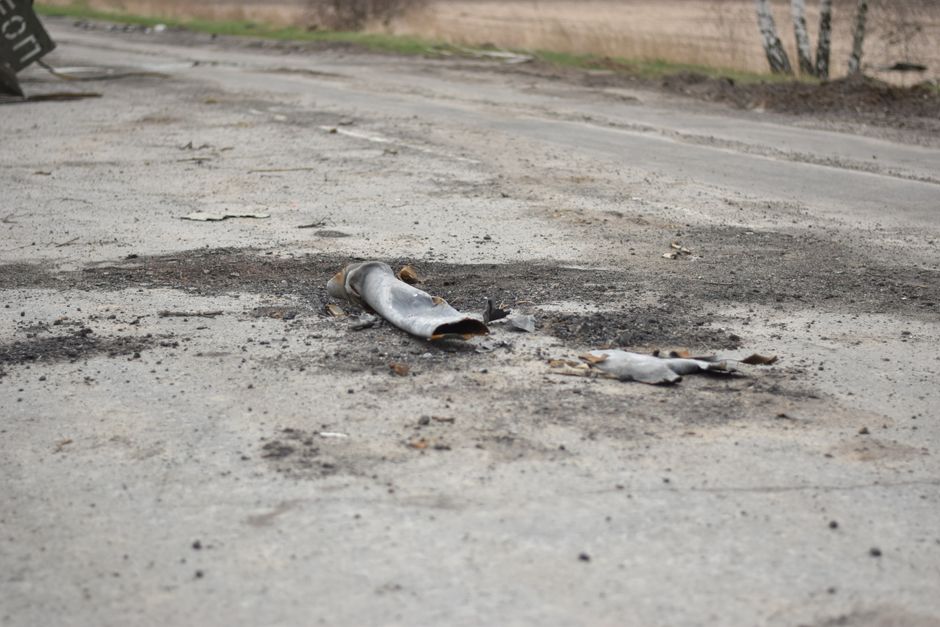
Russian Missile Strike on Kryvyi Rih Kills Three, Including a Child, Amidst Ongoing Conflict
A devastating Russian missile strike targeted the city of Kryvyi Rih in central Ukraine on Tuesday, claiming the lives of at least three individuals, including a young child. The attack, which struck a residential building in the Dnipropetrovsk region, underscores the relentless nature of Russia’s ongoing invasion and its continued impact on civilian populations. While Ukraine’s air defense systems managed to intercept some incoming projectiles, the ferocity and precision of the assault left a trail of destruction and profound grief in its wake. Official reports confirmed the casualties, with emergency services working through the night and into the following day to rescue survivors, assess damage, and recover the deceased. The incident has once again ignited international condemnation of Russia’s military actions and fueled calls for greater humanitarian assistance and accountability.
The specific timings of the strike indicate it occurred in the early hours of the morning, catching many residents unaware and amplifying the tragic consequences. Eyewitness accounts, though harrowing, paint a grim picture of the immediate aftermath. Debris rained down, shattering windows and collapsing sections of the multi-story apartment complex. The sound of explosions, followed by the wail of sirens and the desperate shouts of those trapped, echoed through the once-peaceful neighborhood. First responders, including firefighters and medical personnel, were deployed with remarkable speed, demonstrating their commitment in the face of extreme danger. Their efforts were crucial in extricating survivors from the rubble and providing immediate medical attention to the injured. The psychological toll on those who witnessed the attack, and on the wider community, is immeasurable, adding another layer of suffering to an already war-torn nation.
The exact number of casualties and injuries is subject to ongoing assessment as search and rescue operations continue. However, the confirmation of the child’s death has sent shockwaves through Ukraine and beyond. Children have become tragically vulnerable targets in this conflict, their innocence shattered by the indiscriminate nature of the violence. Images circulating on social media, though often graphic, depict the scale of the devastation – mangled steel, pulverized concrete, and the personal belongings of families strewn amidst the ruins. These visual testimonies serve as stark reminders of the human cost of this war, far removed from the geopolitical discussions and strategic maneuvers that often dominate international headlines. The emotional impact of losing a child in such a brutal manner is a wound that will take generations to heal, if it ever truly does.
Kryvyi Rih, a strategically important industrial city, has been a recurring target for Russian forces since the full-scale invasion began in February 2022. Its location in the Dnipropetrovsk region makes it a key logistical and economic hub, and thus a valuable objective for Russia’s military campaign. The city has experienced numerous missile and drone attacks, each leaving its mark on the civilian infrastructure and populace. However, this latest strike, with its confirmed civilian fatalities, particularly a child, represents a particularly egregious violation of international humanitarian law. The targeting of residential areas, especially those with no apparent military significance, is a clear indication of Russia’s disregard for the principles of distinction and proportionality in warfare.
The Ukrainian authorities were quick to condemn the attack, labeling it a barbaric act of terrorism. President Volodymyr Zelenskyy, in his nightly address, vowed that those responsible would be brought to justice. The Ministry of Defense and the General Staff of the Armed Forces of Ukraine provided details about the type of missiles used, if information was available, and the estimated trajectory. Efforts to identify the specific units or individuals responsible for launching the missiles are likely underway, with the hope of holding them accountable through international legal mechanisms. The ongoing investigations will also focus on gathering evidence of war crimes, which are essential for any future prosecutions.
Internationally, the response was swift and unequivocal. Numerous governments and international organizations issued statements condemning the strike and expressing their condolences to the victims and their families. The United Nations, the European Union, and NATO members reiterated their commitment to supporting Ukraine’s sovereignty and territorial integrity. Calls for increased military assistance to Ukraine, including advanced air defense systems, intensified following the incident. The argument is that with more robust defenses, Ukraine would be better equipped to intercept incoming projectiles and prevent such tragedies from occurring. The international community’s resolve to hold Russia accountable for its actions was reinforced, with renewed discussions about further sanctions and diplomatic pressure.
The implications of this strike extend beyond the immediate loss of life and destruction. It serves as a stark reminder that the conflict remains active and volatile, despite periods of relative calm or shifts in focus on different fronts. The psychological impact on civilians living in cities like Kryvyi Rih is profound. The constant threat of air raids, the fear of the unknown, and the trauma of witnessing or experiencing attacks contribute to a pervasive sense of insecurity and anxiety. The long-term consequences for mental health and societal well-being are significant and will require sustained support and intervention.
Furthermore, the attack highlights the ongoing challenge of protecting civilian infrastructure. While Ukraine has demonstrated remarkable resilience and ingenuity in its defense efforts, the sheer volume and sophistication of Russian weaponry pose a persistent threat. The reliance on international aid for advanced air defense systems and other protective measures underscores Ukraine’s dependence on its allies. The success of these defensive measures is often a race against time, as Russia continuously evolves its tactics and weapon systems.
The political ramifications of this incident are also noteworthy. It fuels the ongoing debate about the most effective ways to end the war and deter future aggression. For some, it reinforces the need for more robust military support for Ukraine. For others, it intensifies calls for diplomatic solutions and negotiations, though the feasibility of such measures remains a complex and contentious issue, especially given Russia’s continued offensive actions. The human cost, as exemplified by the deaths in Kryvyi Rih, weighs heavily on these discussions.
The economic impact on Kryvyi Rih and the broader Dnipropetrovsk region is also considerable. The destruction of residential buildings, critical infrastructure, and potential damage to industrial facilities can have long-lasting repercussions on the local economy. Rebuilding efforts will require substantial investment and resources, further straining Ukraine’s already depleted coffers. The displacement of residents and the disruption of daily life also contribute to economic hardship.
The ongoing narrative surrounding the war often focuses on the battlefield, the territorial gains and losses, and the strategic objectives of the warring parties. However, events like the Kryvyi Rih missile strike serve as a crucial reminder that the war’s most devastating consequences are borne by ordinary civilians. The loss of a child, a symbol of innocence and the future, in such a violent manner, is a particularly poignant illustration of this reality. It is a tragedy that resonates universally, transcending political divides and highlighting the shared humanity that is so often overshadowed by conflict. The world watches, and condemns, but the cycle of violence continues, leaving behind shattered lives and broken communities. The pursuit of justice and accountability for such acts remains a critical imperative, not only for the victims and their families but for the broader cause of international peace and security. The resilience of the Ukrainian people in the face of such adversity is remarkable, but the emotional and physical scars left by these attacks will be a lasting testament to the brutal realities of this ongoing conflict. The need for sustained humanitarian aid and political support for Ukraine remains paramount as the nation navigates the devastating aftermath of such unprovoked aggression.
