In April 2026, NASA’s Office of the Chief Health and Medical Officer (OCHMO) convened a critical working group to meticulously review updated data concerning venous thromboembolisms (VTEs) in astronauts, analyze novel findings on altered blood flow dynamics within a specific astronaut cohort, and chart a course for research and clinical advancements aimed at mitigating VTE risks during spaceflight. The group’s deliberations, informed by the latest scientific evidence, are poised to yield new, evidence-based clinical practice recommendations designed to safeguard the health of those venturing beyond Earth’s atmosphere. This initiative underscores NASA’s proactive and evolving approach to astronaut health in the face of the unique physiological challenges posed by long-duration space missions.
The formation of this high-level working group represents a significant evolution from NASA’s initial response to the emergence of VTE cases among astronauts. The agency first established a dedicated working group in October 2024, a direct consequence of diagnosing venous thromboembolisms during International Space Station (ISS) missions. This initial group was tasked with a comprehensive review of existing case data, an update of the Clinical Practice Guidelines, and an in-depth examination of potential contributing factors to these life-threatening blood clots. The subsequent meeting in April 2026 signifies a deepening commitment to understanding and combating this risk, incorporating newer, more granular data and pushing the research agenda forward.
The Growing Concern of VTE in Spaceflight
Venous thromboembolism, commonly known as blood clotting, is a serious medical condition that occurs when a blood clot forms in a vein. These clots can travel to vital organs, leading to potentially fatal outcomes such as pulmonary embolism (a clot in the lungs) or stroke (a clot in the brain). While VTE is a significant health concern on Earth, the microgravity environment of spaceflight introduces a complex array of physiological changes that can exacerbate these risks.
Astronauts experience a range of adaptations in space, including fluid shifts towards the head (leading to a puffy face and potentially affecting blood flow in the legs), changes in blood viscosity, altered vascular function, and reduced mobility. These factors, combined with the inherent stresses of space travel—such as radiation exposure, confinement, and psychological pressures—create a unique physiological landscape where the risk of VTE may be amplified.
The diagnosis of VTE in astronauts during ISS missions, particularly in the period leading up to October 2024, served as a critical wake-up call for NASA. Prior to these confirmed cases, while the potential for such issues was acknowledged, the direct observation of VTE events brought the threat into sharp focus, necessitating a more robust and urgent response. The initial working group’s efforts were crucial in establishing a baseline understanding and identifying immediate areas for improvement in astronaut care protocols.
Evolution of Research and Data Analysis
The April 2026 working group’s mandate reflects a sophisticated progression in NASA’s understanding of VTE in space. The inclusion of "updated VTE case information" suggests that more instances have been documented or that existing cases have been further analyzed with advanced diagnostic techniques. This continuous data collection and retrospective analysis are vital for identifying patterns, trends, and specific risk factors.
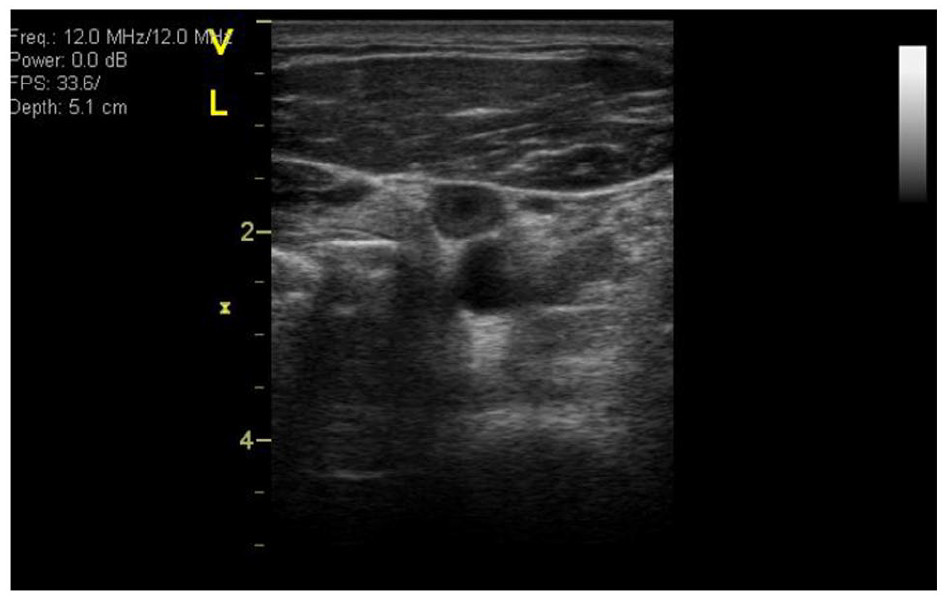
Crucially, the mention of "additional data gathered revealing altered blood flow status within a cohort of astronauts" points to the utilization of advanced physiological monitoring and imaging techniques. Researchers are likely employing sophisticated methods to assess venous capacitance, blood velocity, and the presence of subtle flow abnormalities that might precede clot formation. This could involve non-invasive techniques such as ultrasound, advanced MRI scans, or wearable biosensors that continuously monitor cardiovascular parameters. Understanding how microgravity specifically impacts the venous system—from the deep veins of the legs to the major vessels returning blood to the heart—is paramount.
The "progress of research and clinical activities intended to mitigate the risk of VTE" highlights NASA’s multi-pronged strategy. This includes not only understanding the problem but actively developing solutions. Research activities may encompass:
- Pharmacological Interventions: Investigating the efficacy and safety of anticoagulant medications (blood thinners) for both preventative and therapeutic use in space, considering the unique metabolic and physiological environment.
- Mechanical Countermeasures: Exploring the use of compression garments, pneumatic compression devices, or specialized exercise regimens designed to improve venous return and reduce blood stasis in the legs.
- Nutritional and Hydration Strategies: Examining how dietary intake and hydration levels might influence blood viscosity and clotting factors.
- Genomic and Biomarker Studies: Identifying individual genetic predispositions or biological markers that could indicate a higher risk of VTE, allowing for personalized risk assessment and management.
- Countermeasure Development for Long-Duration Missions: As NASA plans for increasingly ambitious missions, including journeys to Mars, the development of robust VTE countermeasures becomes even more critical, as medical support will be significantly more remote.
Towards Evidence-Based Clinical Practice Recommendations
The ultimate goal of the OCHMO working group is to translate the latest scientific findings and research progress into actionable clinical practice recommendations. This process is a cornerstone of modern medicine, ensuring that patient care is guided by the best available evidence. For astronauts, these recommendations will likely address:
- Screening Protocols: Establishing new or refined criteria for identifying astronauts at higher risk of VTE before, during, and after spaceflight. This might involve incorporating data from pre-flight medical examinations, in-flight physiological monitoring, and even potentially genetic screening.
- Prophylactic Measures: Defining the specific use of anticoagulant medications or mechanical devices for astronauts deemed to be at increased risk, including dosage, duration, and monitoring requirements.
- Diagnostic and Treatment Pathways: Outlining clear protocols for the rapid diagnosis and effective treatment of suspected or confirmed VTE events in space, considering the limitations of medical resources available on orbit. This includes training flight surgeons and potentially crew members in recognizing symptoms and initiating appropriate interventions.
- Post-Flight Management: Developing guidelines for the continued monitoring and management of VTE risk in astronauts upon their return to Earth, as the transition back to terrestrial gravity can also present physiological challenges.
- Crew Education and Awareness: Ensuring that all astronauts are well-informed about the risks of VTE, its symptoms, and the importance of adhering to recommended countermeasures.
Timeline of NASA’s VTE Response
- Pre-2024: Acknowledgment of potential VTE risks in spaceflight due to physiological changes associated with microgravity. Limited specific case data or focused research initiatives.
- October 2024: NASA establishes its first dedicated working group to address diagnosed VTEs in astronauts during ISS missions. This group begins reviewing case data, updating clinical guidelines, and exploring potential causes.
- October 2024 – April 2026: Ongoing research activities, data collection, and analysis of astronaut physiology in microgravity. Development of more sophisticated monitoring techniques and potential countermeasures.
- April 2026: The Office of the Chief Health and Medical Officer (OCHMO) convenes an updated working group. This group reviews new VTE case information, advanced data on altered blood flow in astronauts, and the progress of research and clinical activities. The aim is to formulate new evidence-based clinical practice recommendations.
- Post-April 2026: Implementation and dissemination of updated VTE prevention and management strategies for astronauts. Continued research and monitoring to refine these protocols as space exploration evolves.
Broader Implications for Future Space Exploration
The proactive and rigorous approach NASA is taking to address VTE risks has far-reaching implications for the future of space exploration. As humanity sets its sights on longer and more ambitious missions, such as sustained lunar presence and eventual crewed missions to Mars, the health and safety of astronauts are paramount.
- Enabling Long-Duration Missions: The successful mitigation of VTE is crucial for enabling missions that extend for months or even years. Without effective countermeasures, the risk of incapacitating medical events could severely limit mission duration and scope.
- International Collaboration: NASA’s findings and recommendations will likely be shared with international space partners, fostering a global standard of care for astronauts and enhancing the safety of collaborative space endeavors.
- Technological Advancement: The pursuit of solutions for VTE in space drives innovation in medical monitoring, diagnostic tools, and therapeutic interventions that could also have significant applications in terrestrial healthcare, particularly for patients with mobility issues or those at high risk of blood clots.
- Astronaut Well-being and Performance: By ensuring astronaut health, NASA not only protects individual lives but also safeguards mission success. A healthy crew is a performing crew, capable of executing complex tasks and responding effectively to the challenges of spaceflight.
The ongoing work of the OCHMO working group underscores NASA’s unwavering commitment to astronaut health, recognizing that pushing the boundaries of human exploration requires a parallel advancement in our understanding and management of the physiological challenges of space. The development of robust, evidence-based protocols for VTE prevention and treatment is a critical step in ensuring that future generations of astronauts can embark on their journeys with the highest degree of safety. The agency’s dedication to continuous learning and adaptation in the face of evolving scientific understanding is a testament to its responsible stewardship of human spaceflight.