Alphabet investors, long vocal about their concerns regarding the company’s substantial investments in artificial intelligence, can breathe a collective sigh of relief following the release of its latest earnings report. The financial results for the past quarter offer compelling evidence that the tech giant’s ambitious AI buildout is beginning to yield significant returns, particularly through its booming Google Cloud business. This robust performance has assuaged some of the anxieties that had been weighing on the company’s valuation, signaling a potential shift from concern to confidence among stakeholders.
The most striking takeaway from Alphabet’s earnings announcement is the exceptional growth experienced by Google Cloud. Fueled overwhelmingly by the accelerating adoption of enterprise-grade AI solutions and infrastructure, the cloud division reported a remarkable year-over-year revenue surge of 82%, bringing in $24.8 billion. This figure not only dwarfs the previous quarter’s impressive 63% year-over-year growth, which amounted to $20 billion in revenue, but also significantly surpasses Wall Street’s consensus expectations of $22.46 billion for the period. This substantial beat underscores the market’s strong demand for Google’s cloud offerings, especially its advanced AI capabilities.
The company explicitly attributed these cloud gains to the widespread integration of enterprise AI solutions and the underlying infrastructure supporting these advanced technologies. Furthermore, Alphabet revealed a significant expansion of its cloud contracting backlog, which represents work that has been secured but not yet converted into recognized revenue. This backlog has climbed to an impressive $514 billion, a clear indicator of sustained future revenue potential and strong customer commitment to Google Cloud’s services. This substantial pipeline suggests that the momentum in cloud revenue is likely to continue in the coming quarters, providing a stable and predictable stream of income for the company.
Beyond the cloud division, Alphabet’s overall financial performance demonstrated robust health. The company’s profit for the quarter reached a substantial $112.1 billion, marking a dramatic increase from the $28.1 billion reported in the same period last year. This surge in profitability reflects the company’s improved operational efficiency and the successful monetization of its various business segments. Alphabet’s total revenue also saw a healthy 24% year-over-year increase, reaching $119.8 billion. Within this broader growth, the core Google Services segment, which encompasses search, ads, and other consumer-facing products, posted a commendable 15% revenue jump to $94.5 billion. This diversified growth across its key business areas highlights Alphabet’s resilience and its ability to capitalize on multiple market opportunities.
AI Investments Reaping Rewards: A Strategic Pivot
Alphabet’s strategic pivot towards AI has been a defining characteristic of its recent corporate strategy. The company has committed vast resources to research, development, and infrastructure buildout, including significant investments in specialized AI chips and massive data centers. This aggressive approach, while initially raising eyebrows among investors concerned about the immediate return on such substantial capital expenditures, now appears to be paying off.
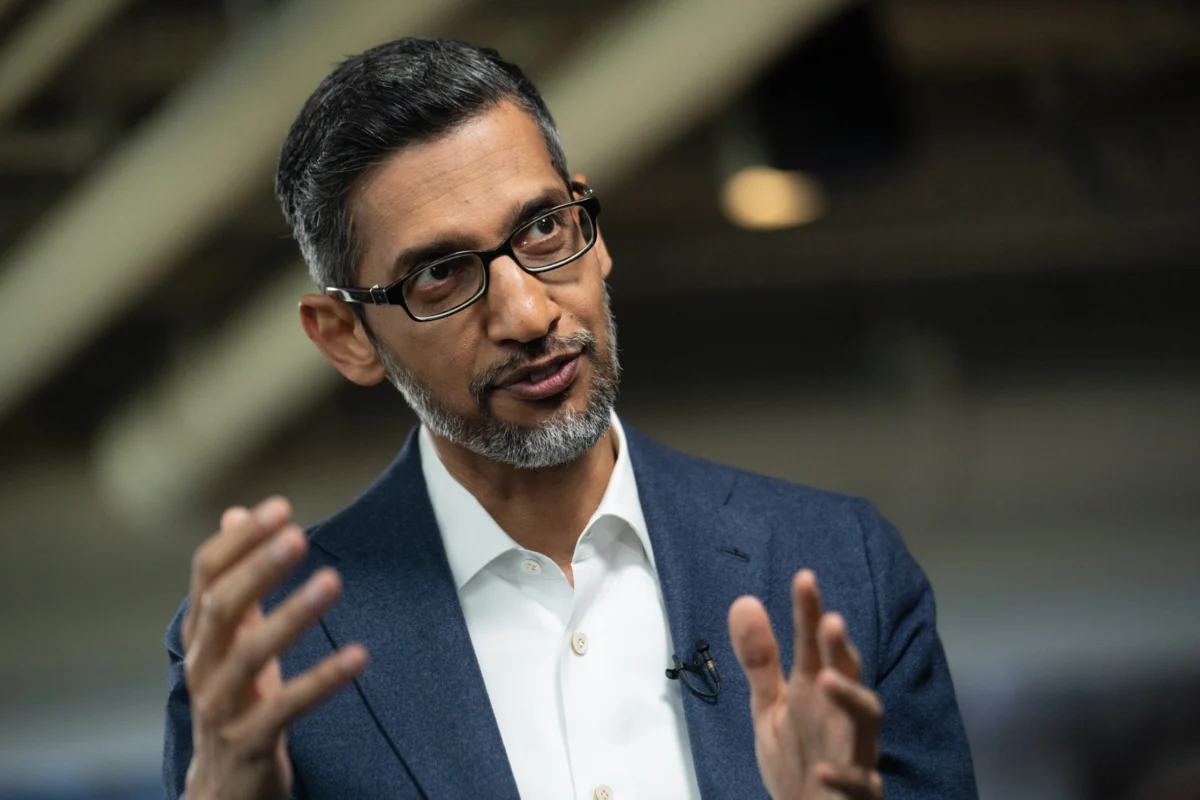
During the company’s earnings call, Google CEO Sundar Pichai expressed his optimism, stating, "Our AI investments are redefining what’s possible across every part of our business. We have exciting momentum across the board." This statement reflects a confidence that the company’s long-term vision for AI integration is not only on track but is already beginning to translate into tangible business success. The strong performance of Google Cloud serves as a primary validation of this strategy, demonstrating that businesses are actively seeking and investing in AI-powered solutions to enhance their operations and gain a competitive edge.
The increasing adoption of Gemini, Google’s flagship AI chatbot, further bolsters the narrative of AI success. The platform now boasts an impressive 950 million monthly active users, a significant increase from the 750 million users reported in the fourth quarter of 2025. This substantial user base for Gemini not only signifies its growing popularity but also provides a platform for further innovation and monetization opportunities within the AI ecosystem. The widespread use of Gemini suggests that Google is effectively translating its AI research into user-friendly products that resonate with a global audience.
Sustained Growth Trajectory: A Testament to Innovation
The current quarter’s performance is particularly noteworthy, even within the context of Alphabet’s consistent growth. This marks the company’s 12th consecutive quarter of double-digit revenue growth, a remarkable feat in the dynamic technology landscape. However, the magnitude of this quarter’s financial gains suggests a particularly bountiful period, exceeding even its own high standards. This sustained growth trajectory is a testament to Alphabet’s ongoing commitment to innovation and its ability to adapt to evolving market demands.
Addressing Investor Concerns: The Path Forward for Capital Expenditures
Despite the overwhelmingly positive financial results, Alphabet’s substantial capital expenditures remain a focal point for analysts and investors. The company anticipates spending between $180 billion and $190 billion this year on critical infrastructure, including data centers, AI chips, and network expansion. This massive outlay underscores the long-term nature of its AI ambitions and the significant upfront investment required to build and maintain a leading position in the AI race.
During the earnings call, several analysts pressed CEO Sundar Pichai on the timeline and scale of returns expected from these hefty investments. Pichai responded with a forward-looking perspective, emphasizing the company’s confidence in future demand. "I think our compute capacity investments in ’27," he stated, "We are seeing strong demand indicators, including long-term deals. I think, if anything, the dynamics look healthier than where we were about a year ago, so that’s what gives us the confidence to undertake those investments." This outlook suggests that Alphabet’s investments are not speculative bets but are underpinned by a clear understanding of future market needs and secured commitments from enterprise clients. The company appears confident that the demand for its AI-powered services will continue to grow, justifying the current level of capital deployment.
Broader Implications and Market Analysis
The strong performance of Google Cloud, particularly its AI-driven growth, has significant implications for the broader technology market. It reinforces the ongoing digital transformation across industries, where AI is no longer a nascent technology but a critical driver of efficiency, innovation, and competitive advantage. Companies are increasingly relying on cloud providers like Google to deploy and manage their AI workloads, signaling a sustained demand for cloud infrastructure and services.
Furthermore, Alphabet’s success in monetizing its AI investments provides a blueprint for other tech companies navigating the AI landscape. The ability to translate cutting-edge AI research into profitable business solutions is a key differentiator. The substantial increase in Gemini’s user base also highlights the potential for direct-to-consumer AI applications and the creation of new digital ecosystems.
The continued emphasis on capital expenditures, while significant, also points to Alphabet’s commitment to maintaining its technological leadership. The race for AI dominance is characterized by a continuous need for investment in hardware, software, and talent. Alphabet’s willingness to make these substantial investments positions it to capitalize on future AI advancements and market shifts.
However, the company’s reliance on enterprise AI adoption for cloud growth also means that its financial performance will be closely tied to the economic health and technological maturity of its enterprise clients. Any slowdown in enterprise spending or a broader economic downturn could potentially impact the pace of AI adoption and, consequently, Google Cloud’s revenue growth.
A Look Back: The Genesis of Investor Concerns
It’s important to recall the context that led to investor concerns. In recent years, the tech industry has witnessed an "AI bubble" narrative, where the immense valuations of AI-focused companies were questioned, and significant capital outlays by established players like Alphabet were scrutinized. Investors, accustomed to predictable revenue streams from search and advertising, grew apprehensive about the substantial, long-term investments required for AI development without immediate, proportional returns. Reports of Alphabet planning to raise substantial sums specifically for AI buildout had amplified these worries, suggesting an insatiable appetite for capital that could potentially dilute shareholder value or strain profitability. The previous earnings reports, while showing growth, did not always fully assuage these fears, leading to periods of market volatility for Alphabet’s stock. The current earnings report, with its clear demonstration of AI’s revenue-generating power, directly addresses these prior anxieties.
The Path Ahead: Balancing Investment and Returns
As Alphabet continues its ambitious AI journey, the focus will remain on demonstrating a clear and consistent return on its massive capital investments. The current earnings report provides strong evidence of this happening, particularly within the lucrative Google Cloud segment. The sustained double-digit revenue growth, coupled with the significant increase in profit, signals a company that is effectively navigating the complexities of AI development and monetization.
The company’s ability to maintain this momentum will depend on several factors, including its continued innovation in AI technologies, its success in attracting and retaining enterprise clients, and its capacity to adapt to the ever-evolving regulatory and competitive landscape. The substantial backlog in cloud contracting and the growing user base for Gemini are positive indicators, suggesting that Alphabet is well-positioned to capitalize on the ongoing AI revolution. The coming quarters will be crucial in solidifying this positive trend and further reassuring investors that Alphabet’s significant AI bets are indeed paying off, paving the way for sustained long-term growth and market leadership.