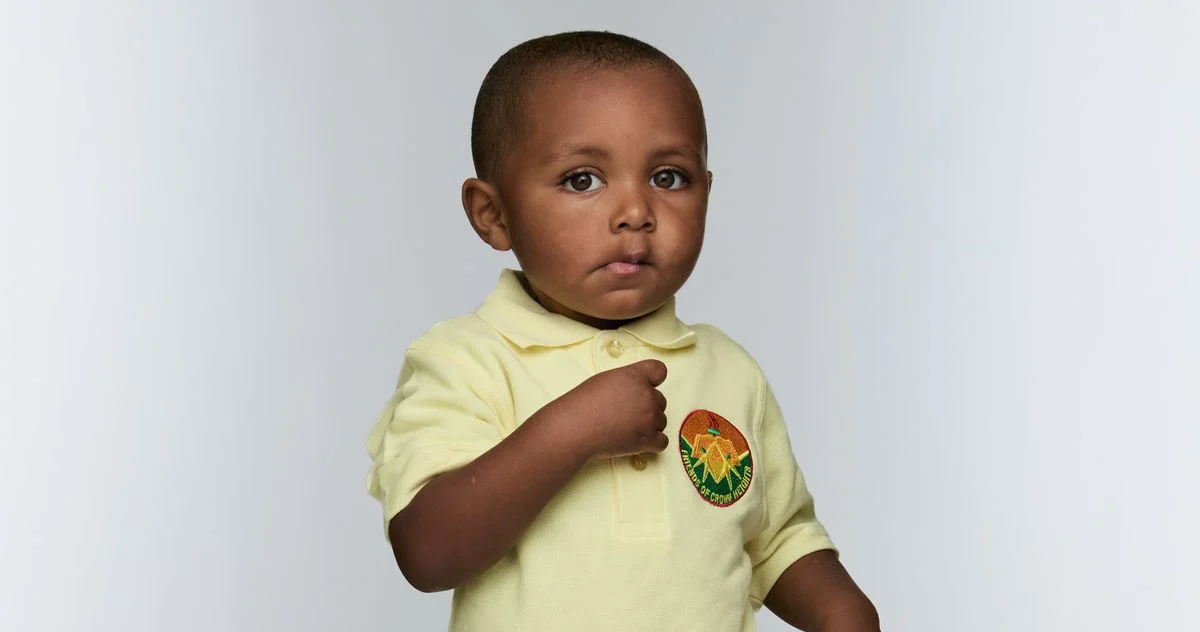
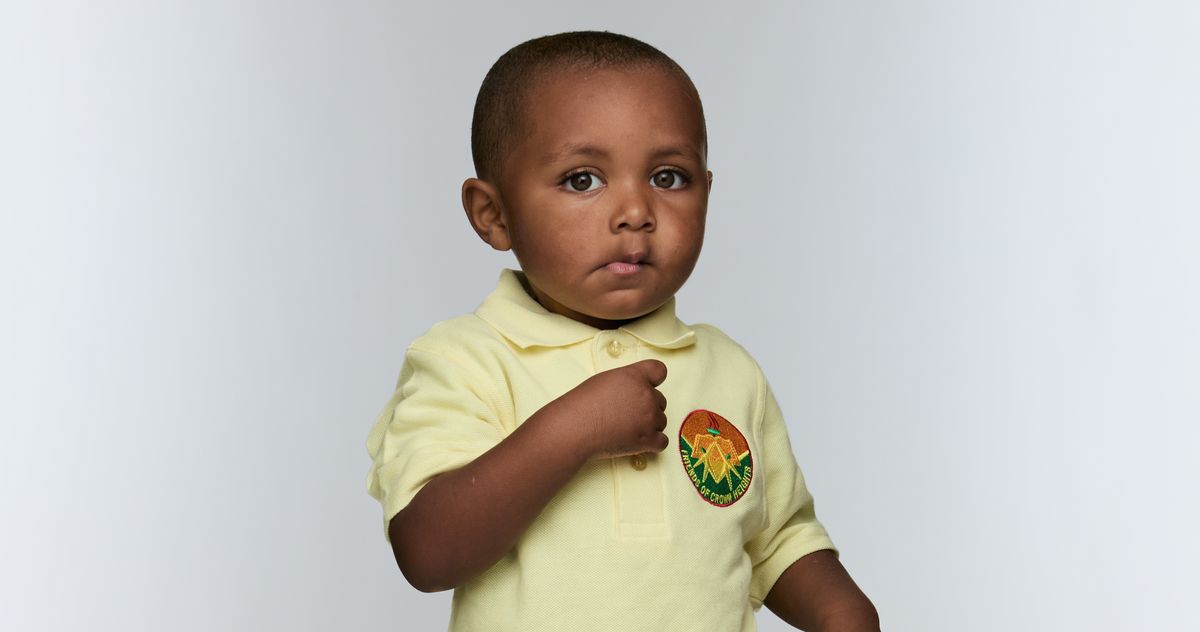
The crisp autumn air of September 2026 marked a historic turning point for New York City’s educational landscape as the inaugural class of the universal-2K program stepped into classrooms across the five boroughs. Turning its signature lens toward the city’s youngest scholars, The Look Book spent the first day of school embedded with the Friends of Crown Heights Educational Center to document the milestone. Amidst oversized backpacks, fresh-laced dinosaur sneakers, and nervous yawns, toddlers from East New York to Brownsville took their very first steps into public education, embodying the hopes, anxieties, and irrepressible charm of a new generation of New Yorkers.
The Launch of Universal-2K: Background and Context
The arrival of the universal-2K program represents an aggressive expansion of New York City’s early childhood education framework. Building upon the foundational successes of the universal Pre-K initiative launched over a decade prior and the subsequent rollout of 3-K, the 2K program aims to bridge the early development gap by providing free, high-quality schooling for children turning two years old.
For working families across the outer boroughs, the program is nothing short of transformative. Navigating childcare in New York City has historically been a high-stress, exorbitant endeavor, with infant and toddler care frequently rivaling the cost of private university tuition. By extending public schooling downward to two-year-olds, the city is signaling a paradigm shift: early education is no longer viewed as a luxury service, but as a fundamental public utility.
The rollout has not been without its logistical hurdles. School administrators, community centers, and municipal agencies spent the preceding months scrambling to retrofit classrooms, recruit specialized early childhood educators, and secure safety certifications for spaces catering to toddlers. Yet, as the doors swung open in mid-September, the months of administrative planning culminated in scenes of localized community triumph.
First-Day Jitters and Toddler Realities
Inside the colorful, scaled-down classrooms of Brooklyn, the emotional climate of the first day was a masterclass in contrasting perspectives. When asked if he was nervous about the first day of school, Adonnis M., a newly minted 2K student in East New York, offered a candid, wide-eyed "Yes," even as he proudly noted that he had slept soundly through the night before fueling up on morning muffins. His footwear—a brand-new pair of sneakers adorned with miniature dinosaurs—seemed to provide a comforting armor against the unfamiliar environment.
Nearby, fellow East New York and Brownsville enrollees grappled with the profound existential questions of early childhood. Emanuel H., navigating his first day in a Brownsville 2K classroom, offered a pragmatic assessment of his back-to-school wardrobe: "Yes, I got new shoes. My feet hurt. They are too small."
Meanwhile, imagination reigned supreme among the older cohorts. Tiffany N., a 3-K student in Brownsville, when asked about her culinary preferences, cheerfully cited "inchworms and candy" as her favorite things to eat. Annastasia M., a Pre-K student in East New York, detailed a remarkably specific morning routine: "I went down the slide and said ‘bye’ to my kitties, Bebop and Rock Steady. I gave them a hug. My big sister didn’t hug them."
For Jabari T., a 2K student in Brownsville, the highlight of the entire academic enterprise was distilled into its most elemental form. When asked what he liked about his teacher, Ms. Smith, he replied without hesitation: "She brings snack to my class."
Chronology of the Rollout
The path to the September 2026 classroom doors was paved by years of municipal policy debate, budgetary allocations, and structural reforms:
- Spring 2024: City officials begin drafting feasibility studies for expanding early childhood education downwards, examining capacity constraints and the financial viability of incorporating two-year-olds into the Department of Education’s purview.
- January 2025: The municipal administration officially announces the framework for the universal-2K initiative, setting aggressive targets for classroom conversions in underserved neighborhoods like Brownsville, East New York, and the South Bronx.
- Fall 2025: Pilot programs and community partnerships are established, allowing select centers to test-run curriculum adjustments, nap schedules, and specialized child-to-teacher ratios suitable for toddlers.
- Spring–Summer 2026: Enrollment portals open to families across the city. Outreach campaigns target low-income neighborhoods to ensure equitable access, while capital funds are disbursed to upgrade facilities with toddler-sized plumbing, flooring, and safety equipment.
- September 2026: The official first day of school. Universal-2K opens its doors to its inaugural class, fundamentally reshaping the city’s approach to early childhood development.
Official Responses and Stakeholder Perspectives
City education officials, community leaders, and early childhood advocates have largely championed the program’s debut, emphasizing its dual role as an educational foundation and an economic lifeline for parents.
"Universal-2K is not merely about babysitting; it is about cognitive equity," noted a policy analyst specializing in urban education reform. "By standardizing access to structured learning environments at age two, New York is leveling the playing field before structural achievement gaps have a chance to take root."
Directors at organizations like the Friends of Crown Heights Educational Center echoed these sentiments, pointing out that the physical infrastructure of the schools had to be entirely reimagined. Teachers underwent specialized training focusing on sensory-rich environments, emotional regulation for toddlers, and socio-emotional milestones unique to two-year-olds.
Parents dropping off their children outside the Brooklyn facilities expressed a palpable sense of relief mixed with natural parental apprehension. For many mothers and fathers, the availability of 2K means the ability to return to the workforce or maintain full-time employment without crippling childcare expenditures. "It’s a weight off our shoulders," shared one parent outside a Brownsville center. "Knowing he’s in a safe place learning how to share and play with other kids makes the goodbye a little bit easier."
Broader Impact and Policy Implications
As the initial weeks of the school year progress, economists and educational researchers are closely monitoring New York City’s bold experiment. If successful, the universal-2K model is widely expected to serve as a blueprint for other major metropolitan areas grappling with the dual crises of affordable childcare and early childhood achievement disparities.
The implications extend far beyond the classroom walls. Economists point out that universal early education significantly boosts maternal labor force participation and stabilizes household income, injecting vital economic activity into local neighborhoods. Furthermore, early intervention programs have consistently demonstrated long-term savings in remedial education and social support systems down the line.
Yet, challenges remain. Critics and union representatives caution that sustained funding, manageable class sizes, and competitive compensation for early childhood educators will be vital to the program’s long-term viability. Without continuous financial backing and administrative support, the strain on community-based providers could threaten the program’s expansion goals.
For now, however, the macro-level policy debates feel far removed from the brightly lit rooms where Zaire P. plans his post-school dinosaur games and Giovanni W. adjusts his tie with the help of his mother. As the first bell rings on a new era of New York education, the city’s youngest learners are already writing the first chapter of a transformed future.