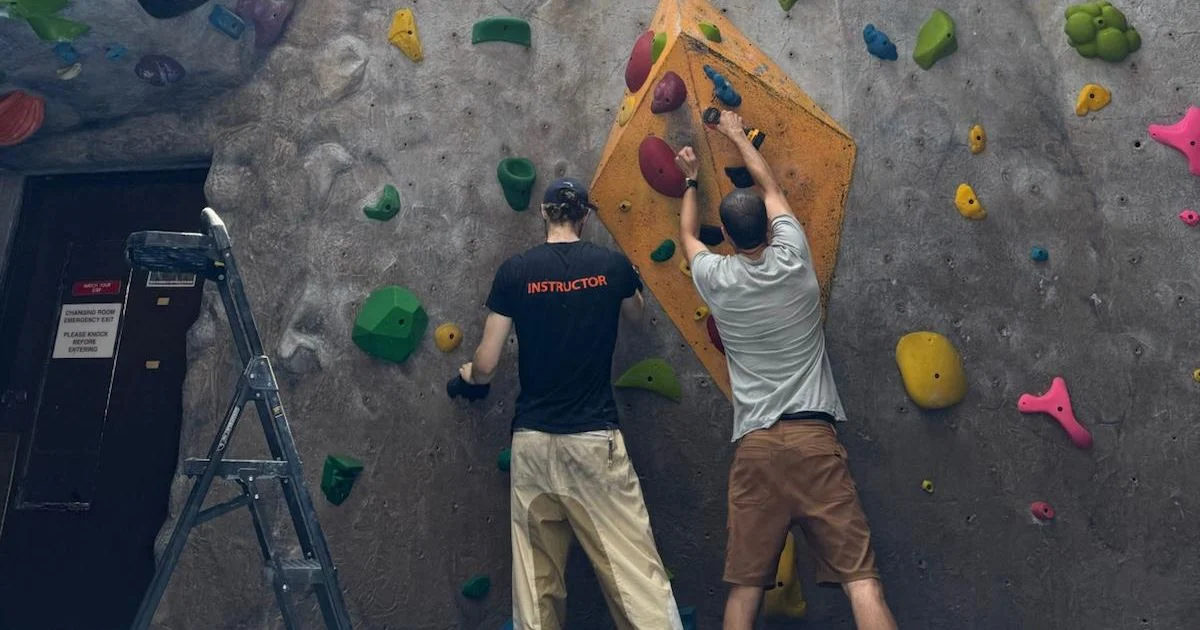
After 34 years of operation, the climbing gym at the Manhattan Plaza Health Club (MPHC) in Hell’s Kitchen is scheduled to permanently close its doors. Established in 1992 within a former racquetball court, the 5,000-square-foot facility holds the distinction of being New York City’s oldest indoor rock-climbing gym. The closure marks the end of an era for a venue that predated the commercial climbing boom, functioning for decades as an unvarnished, community-centric staple of the Manhattan fitness landscape. According to facility employees, the space is slated for conversion into a tennis simulator by the adjacent Manhattan Plaza Racquet Club. Neither the health club management nor the property owner, the Related Companies, has issued a formal public statement confirming the transition timeline or outlining the specific rationale behind the closure.
A Relic of Postwar Urban Planning and Subsidized Arts Housing
The history of the climbing gym is intrinsically linked to the development of Manhattan Plaza, a massive postwar housing complex located between Ninth and Tenth Avenues and West 42nd and 43rd Streets. Developed to revitalize a struggling Hell’s Kitchen neighborhood, the twin-tower complex was constructed with the intention of providing permanent, subsidized housing for performing artists. Over the decades, the building has served as a residential incubator for a remarkably high concentration of cultural icons, including Al Pacino, Alicia Keys, Timothée Chalamet, and Colman Domingo.
The accompanying Manhattan Plaza Health Club—housing the swimming pool, athletic facilities, and eventually the climbing gym—was designed to serve both residents and the broader public on a membership basis. This institutional framework created an unusual socioeconomic cross-section unique to New York real estate. Gym patrons routinely shared fitness facilities with Tony Award-winning actors and seasoned Broadway veterans, fostering an environment where mainstream commercial fitness culture intersected with a distinctively bohemian ethos.
An Anti-Establishment Aesthetic and Low-Cost Model
Long before indoor climbing transformed into a mainstream, venture-backed fitness phenomenon dominated by national chains like Movement and Vital, the MPHC gym operated on a grassroots model. While modern commercial climbing facilities routinely charge upwards of $150 to $200 per month for multi-story climbing complexes equipped with specialized training boards, yoga studios, and extensive amenities, MPHC maintained a flat monthly rate of $49. This fee famously included fundamental gear rentals such as harnesses, shoes, and chalk, alongside basic first-aid supplies.
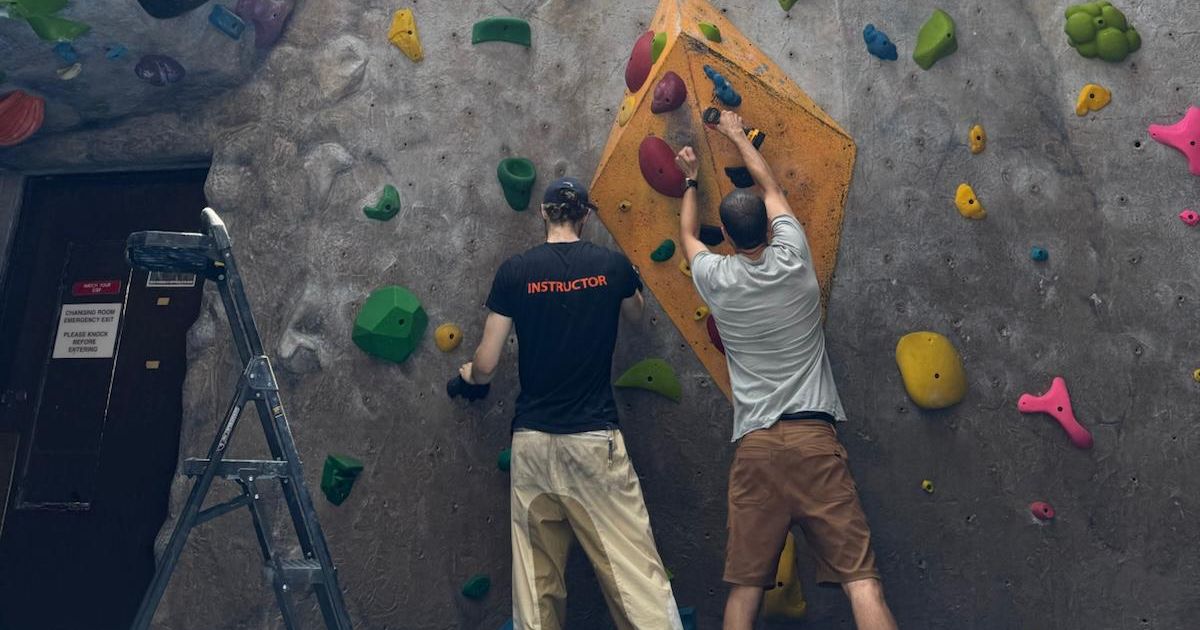
The physical space reflected its vintage origins. Spanning a cramped 5,000 square feet, the layout utilized every available architectural surface, featuring climbing holds bolted directly across exterior-facing windows that occasionally produced awkward eye contact with pedestrians on the sidewalk below. Rather than adhering to strict, highly commercialized route-setting protocols, the gym cultivated an eccentric subculture overseen by longtime manager Ryan Shaefer. Under Shaefer’s tenure, routes above level two were deliberately left ungraded on the walls to discourage psychological intimidation based on numerical classifications. The gym also retained rare historical anomalies, such as actual natural rock holds bolted into the walls alongside modern synthetic grips, preserving a tactile connection to outdoor climbing traditions.
Community Integration and Accessibility
Beyond its role as a low-cost training ground for urban climbers, the facility functioned as an accessible community hub for populations often underserved by conventional fitness infrastructure. The informal, low-pressure environment accommodated climbers of all ages and abilities, ranging from working parents bringing infants to individuals navigating physical rehabilitation or neurodivergence. Staff members emphasized an anti-exclusionary philosophy, actively designing custom climbing paths for recovering athletes and accommodating children with sensory sensitivities who found traditional sports environments overwhelming.
Chronology of the Closure and Preservation Efforts
News of the impending closure broke in late September 2026, leaving members with mere days to respond to the shutdown directive. In the wake of the announcement, a grassroots preservation campaign materialized rapidly. Led by regular patrons, including Crown Heights resident Rachel Burns, the community organized impromptu strategy sessions, established communication networks via WhatsApp, and launched an online petition demanding a reconsideration from property management.
Within days of its launch, the change.org petition surpassed 8,000 signatures, drawing widespread attention from climbers across the five boroughs. Community organizers attempted to initiate formal dialogues with the Related Companies and health club administrators, presenting proposals that included membership fee adjustments, private fundraising drives, and potential transitions to alternative third-party operators. Despite these mobilization efforts, the final operational hours of the gym remained locked in for September 30, with management offering no public indication that the decision would be reversed.
Broader Implications for New York City’s Fitness and Cultural Landscape
The shuttering of the Manhattan Plaza Health Club climbing gym illustrates a broader economic reality across New York City: the systematic displacement of independent, idiosyncratic, and economically accessible cultural spaces in favor of high-yield commercial alternatives. As fitness culture in the city has trended toward heavily capitalized, standardized corporate models, the loss of MPHC represents the eradication of a specific type of urban sanctuary.
While newer, larger climbing facilities offer advanced training metrics, expansive square footage, and sleek architectural design, they frequently operate on price points that exclude casual participants and budget-conscious residents. The transition of the Hell’s Kitchen climbing wall into a tennis simulator highlights the ongoing tension between historic community assets and modernized commercial programming within private-public developments. Even if the preservation campaign falls short of reversing the closure, the swift mobilization of thousands of New Yorkers underscores the deep demand for affordable, unpretentious recreational spaces capable of fostering organic human connection in an increasingly corporatized cityscape.