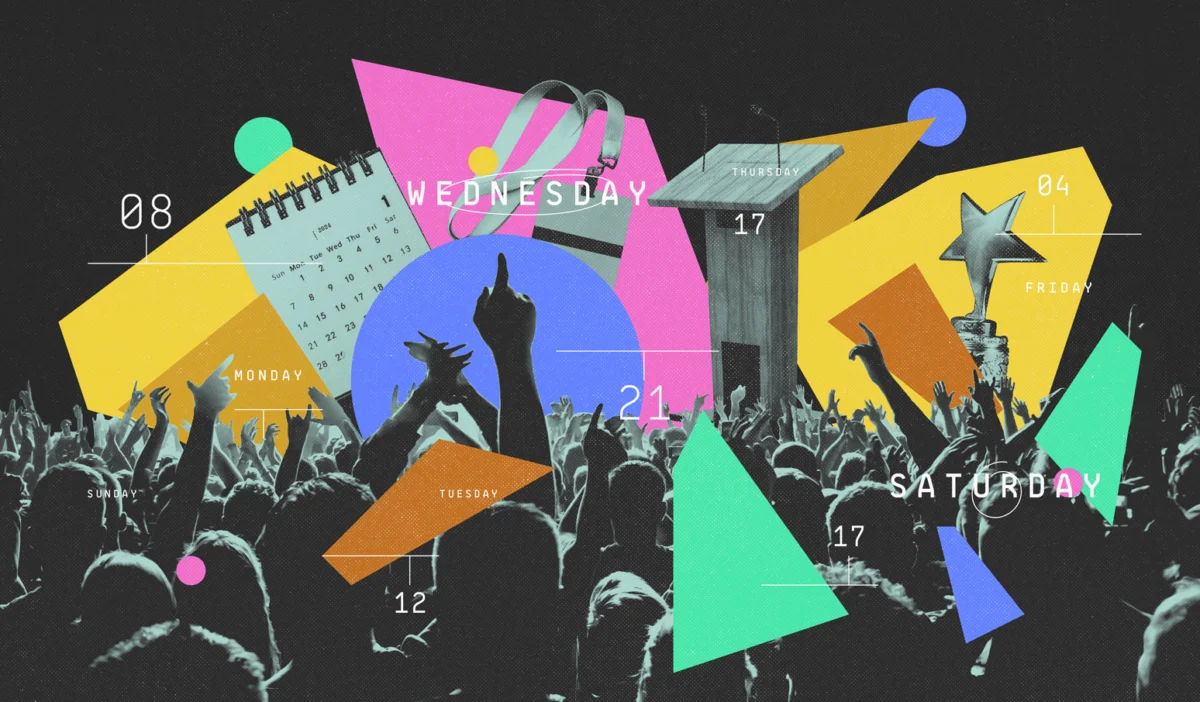
This new resource encompasses everything from high-level executive summits and global music festivals to niche networking mixers, trade shows, and awards galas. By consolidating these fragmented opportunities into a single, user-friendly digital interface, Billboard Pro aims to eliminate the information silos that often prevent stakeholders from capitalizing on international business opportunities.
The Evolution of Industry Networking
The music business has historically relied on word-of-mouth and localized databases to disseminate information regarding conferences and trade shows. However, the post-pandemic landscape has fundamentally altered how professionals interact. With the resurgence of in-person events and the increasing importance of cross-border partnerships, the lack of a centralized, reliable source for global scheduling has created a bottleneck in professional planning.
Billboard’s decision to launch this calendar aligns with its long-standing role as the industry’s most trusted source for news, chart data, and market analysis. By extending its services to include event logistics, the publication is essentially providing a comprehensive roadmap for the industry’s annual cycle. This initiative is particularly timely given the record-breaking growth in the live entertainment sector, which has seen post-COVID revenues exceed pre-2019 levels across most major global markets.
Chronology of Key Industry Milestones
The newly launched calendar provides a rolling forecast of events, stretching from the final quarter of 2026 through the first quarter of 2028. This long-range planning tool is critical for stakeholders involved in budget allocation, artist routing, and marketing strategy.
The upcoming cycle begins in the fourth quarter of 2026, a period traditionally defined by year-end review summits and strategic planning sessions for the following fiscal year. As the industry moves into 2027, the focus shifts toward the major spring festivals and tech-heavy industry conferences, such as those that define the current trajectory of music streaming and AI-driven distribution. The calendar further extends into 2028, allowing for early-stage planning for long-term international trade missions.
By categorizing these events by date, region, and event type, Billboard Pro enables subscribers to filter their professional commitments more efficiently. Whether an executive is looking for a networking opportunity in the European market or a producer is scouting for talent at an emerging festival in Asia, the platform provides the necessary metadata to make an informed decision on attendance.
Supporting Data and Market Context
The necessity for a centralized calendar is underscored by the current state of the global music market. According to recent reports from the IFPI (International Federation of the Phonographic Industry), global recorded music revenues have grown for several consecutive years, fueled by a combination of paid streaming subscriptions and a massive rebound in live performance revenue.
In 2025 and 2026, the complexity of the market has only intensified. The rise of short-form video platforms, the integration of generative AI in music creation, and the increasing reliance on data-driven fan engagement have made it mandatory for industry professionals to attend key conferences where these technologies are vetted and discussed. The Billboard Pro calendar includes specific tags for "Tech & Innovation" summits, reflecting the shift in industry priorities toward digital transformation.

Furthermore, the touring sector remains the primary driver of revenue for many artists. Events focused on live production, venue management, and international festival logistics are now among the most highly attended gatherings. By including these, Billboard Pro is acknowledging that touring is no longer a peripheral activity but the central pillar of the modern music business.
Official Response and Industry Implications
The introduction of this service has been met with enthusiasm from industry leaders who have long sought a "single source of truth" for event scheduling. Representatives from major labels and independent agencies have noted that the lack of coordination in the past often led to "conference fatigue" or, conversely, missed opportunities due to scheduling conflicts between major regional events.
"The industry needs a cohesive way to manage its professional schedule," says a spokesperson familiar with the platform’s development. "By providing this calendar, we are not just listing dates; we are providing the infrastructure for better collaboration. When professionals can plan their year with full visibility of the global landscape, the entire industry moves more efficiently."
The implications for the broader music community are significant. For independent creators and small-to-medium-sized enterprises (SMEs), the calendar acts as an equalizer. Smaller entities that may not have the resources of a major conglomerate to track global events can now identify which gatherings provide the best return on investment for networking and development.
Strategic Impact for Stakeholders
The strategic value of the Billboard Pro calendar extends beyond mere scheduling. It serves as a diagnostic tool for industry trends. By observing the concentration of events in specific months or regions, analysts can identify shifts in market priority. For instance, an uptick in trade events in specific emerging markets during the 2027-2028 cycle could signal a pivot in where global companies are choosing to invest their capital.
Additionally, the calendar serves as a tool for talent development. By tracking the dates of major international showcases, artists and their management teams can align their release cycles and promotional tours with the periods when industry decision-makers are most likely to be in attendance.
How to Engage with the Calendar
Billboard Pro has committed to maintaining the accuracy and completeness of the calendar through ongoing internal audits and contributions from industry partners. The publication has invited organizers and stakeholders to reach out directly to coordinate the inclusion of new events. By emailing [email protected], organizations can ensure their events are vetted and added to the official schedule.
This move reinforces Billboard’s commitment to the "Pro" segment of its audience. By shifting from a news-only model to a service-oriented ecosystem, the brand is positioning itself as an essential partner in the day-to-day operations of the music industry. As the calendar continues to populate with new data points throughout 2027 and into 2028, it is expected to become an indispensable tool for anyone looking to navigate the complexities of the global music business.
In summary, the launch of the Billboard Pro events calendar represents a maturation of the industry’s digital infrastructure. It addresses the fundamental need for coordination in a globalized market, providing the data and insights necessary to turn fragmented events into a cohesive, manageable, and highly productive annual agenda for music industry professionals worldwide. As the calendar evolves, it will undoubtedly serve as the primary baseline for business planning, ensuring that the industry remains connected, informed, and ready to tackle the challenges of the coming years.