Oscar-winning actress Jennifer Lawrence recently leveraged her massive social media platform to encourage civic participation, sharing a post with her 8.7 million Instagram followers that featured her striking the iconic three-finger salute from her breakout franchise, The Hunger Games. The timing of the post, coupled with a reference to the films’ signature resistance rhetoric—captioned “Midterms [baby]. Don’t forget who burns with us. Go vote.”—immediately drew widespread attention. Alongside the imagery, Lawrence provided a direct link to Vote.org, allowing users to efficiently locate their nearest polling stations and verify their registration details.
While the post stopped short of explicitly endorsing any political candidates or parties, the cultural resonance of the imagery and terminology was unmistakable. The phrase "burn with us" is inextricably linked to 2014’s The Hunger Games: Mockingjay – Part 1, a cinematic milestone in which her character, Katniss Everdeen, transitions from a reluctant survivalist into the symbolic leader of a grassroots rebellion against the authoritarian regime of the Capitol. For many observers and followers, the thematic parallels between the fictional dystopia and contemporary American politics were difficult to ignore, especially given Lawrence’s history of vocal opposition to conservative leadership during past election cycles.
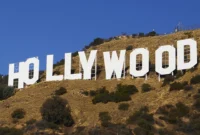
The intersection of Hollywood celebrity and American electoral politics has long been a subject of intense public debate. Lawrence’s return to political messaging via pop-culture iconography highlights a broader conversation about the efficacy, responsibility, and personal cost of celebrity activism in an increasingly polarized sociopolitical landscape.
The Evolution of Lawrence’s Political Voice
During the 2016 U.S. presidential election and the subsequent administration of Donald Trump, Lawrence was among the most outspoken members of the Hollywood community. Her activism was direct and unfiltered; following the 2016 election, she penned a widely circulated op-ed urging citizens to remain vigilant and vocal, famously asserting that the electoral outcome signaled a political environment where marginalized communities felt deeply vulnerable.
However, in recent years, Lawrence has publicly articulated a significant shift in her approach to public discourse. During her press tour for the film Die My Love last year, the actress offered a candid assessment of the limitations of celebrity endorsements during an interview with The New York Times. Reflecting on the broader impact of public figures weighing in on high-stakes political races, Lawrence expressed skepticism regarding their influence.
"As we’ve learned, election after election, celebrities do not make a difference whatsoever on who people vote for," Lawrence remarked at the time. "So then what am I doing? I’m just sharing my opinion on something that’s going to add fuel to a fire that’s ripping the country apart. We are so divided."
This perspective underscores a deliberate recalibration. Lawrence elaborated on her desire to protect her craft as an artist, noting that intense political partisanship can alienate audiences from cinematic art designed to foster empathy and shared human experiences. She voiced concern over the phenomenon where prominent artists, following political declarations, find themselves ostracized by significant segments of the population. By stepping back from direct partisan commentary, Lawrence has sought to preserve her role as a storyteller, aiming to contribute to cultural unity rather than exacerbating societal divisions.
The Power of Pop Culture in Civic Engagement
Despite her stated desire to avoid fueling partisan hostility, Lawrence’s recent Instagram post demonstrates a nuanced return to civic engagement. By utilizing a non-partisan call to action—directing users to voter registration and polling locators—while invoking a beloved cultural character, she managed to encourage voter turnout without entering the fray of direct candidate endorsement.

Political analysts and media scholars often debate the mechanics of voter mobilization campaigns led by public figures. While empirical studies frequently indicate that celebrity endorsements rarely alter deeply entrenched partisan loyalties, non-partisan mobilization tools—such as informational links to Vote.org—have historically proven effective in driving transactional behaviors, such as checking registration status or locating polling places, particularly among younger demographic cohorts.
By framing her message through the lens of The Hunger Games, Lawrence bridged her professional identity with a universal message of collective participation. The three-finger salute, originally conceived in the source novels by Suzanne Collins as a symbol of silent opposition, gratitude, and solidarity, has occasionally transcended fiction to manifest in real-world political protests globally. Its deployment for a domestic electoral context represents a calculated blending of entertainment marketing and civic duty.
Nostalgia and the Return to the Arena
Lawrence’s social media mobilization arrives concurrently with significant professional developments within her film career. The actress is preparing to reprise her iconic role as Katniss Everdeen in Lionsgate’s upcoming prequel feature, The Hunger Games: Sunrise on the Reaping, scheduled for a theatrical release on November 20.
The return to the franchise has been an emotional experience for the core creative team. Reflecting on the reunion in a recent interview on the Call Her Daddy podcast, Lawrence described the surreal nature of stepping back onto familiar soundstages after an eleven-year hiatus.
"It was unbelievable," Lawrence shared on the podcast. "It was so crazy. It was the same crew. It was the same AD, who I’ve worked with a million times because I love him. And with Josh [Hutcherson] and Woody [Harrelson]… it was so emotional. Josh and I didn’t walk to the bathroom without our arms around each other. It was so beautiful. And Woody, obviously, came through the window of my hotel room uninvited. It wouldn’t be the same if he listened to boundaries or used a door."
The synergy between the marketing rollout for Sunrise on the Reaping and her social media activity highlights the intricate relationship between modern studio blockbusters and the personal brands of their leading stars. As Lionsgate prepares to reintroduce audiences to the world of Panem, the cultural visibility of its original star serves as a powerful promotional catalyst, simultaneously driving interest in the cinematic universe and amplifying her message regarding democratic participation.
Broader Implications for Hollywood and Elections
As democratic institutions navigate eras of heightened polarization, the role of cultural icons remains a subject of ongoing strategic evaluation. Public figures face a delicate balancing act: satisfying consumer demand for authenticity and moral leadership versus mitigating the commercial and personal fallout of partisan alignment.
Lawrence’s trajectory—moving from intense, direct political opposition to a more measured, non-partisan advocacy centered strictly on the act of voting—exemplifies a wider trend among A-list celebrities. Rather than telling audiences how to vote, an increasing number of public figures are focusing strictly on ensuring that they vote, utilizing institutional resources like non-partisan voter portals.
Ultimately, whether viewed as a clever promotional maneuver for her upcoming cinematic return or a genuine civic appeal from an influential artist, Lawrence’s digital footprint continues to command significant attention. By reminding her millions of followers that "fire is catching," she successfully marries the enduring mythology of her most famous cinematic creation with the practical reality of modern civic responsibility.