
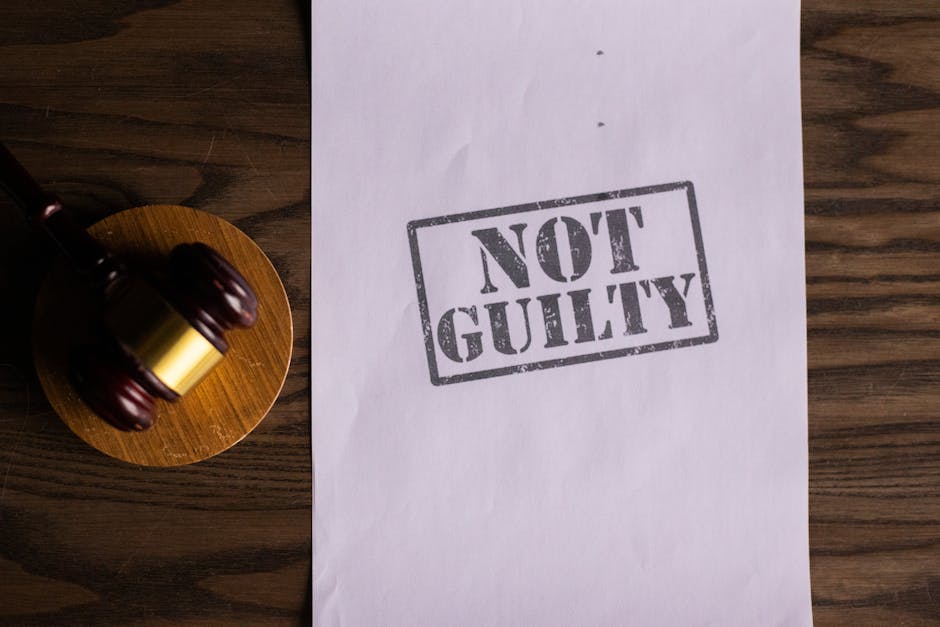
Alec Baldwin’s Lawyers Vigorously Oppose Reopening Rust Manslaughter Case: A Legal Analysis
The legal team representing actor Alec Baldwin has forcefully argued against any attempt to reopen the involuntary manslaughter case stemming from the fatal shooting on the set of the film "Rust." Their core contention is that the prosecution’s recent efforts lack merit, are based on a misinterpretation of evidence, and are an inappropriate attempt to revisit a concluded legal matter. This opposition stems from a detailed examination of the original investigation, the grand jury proceedings, and the subsequent dismissal of charges, all of which, according to Baldwin’s defense, provide a clear and definitive resolution. The prosecution’s renewed interest, particularly in light of new analyses of the firearm and ammunition, is viewed by the defense as a desperate and legally unsound maneuver.
Central to Baldwin’s defense’s argument is the principle of double jeopardy and the established legal precedent that once charges are dismissed under such circumstances, particularly with prejudice, they cannot be easily resurrected. The initial charges against Baldwin were dismissed by special prosecutor Kari Morrissey in April 2023, following a review of evidence that indicated the firearm used in the shooting could have been modified and therefore not functioning as initially believed. This dismissal was not a mere procedural hiccup; it represented a significant legal conclusion based on the evidence presented at the time. The defense maintains that the prosecution is now attempting to circumvent this dismissal by introducing what they perceive as new evidence, but which the defense argues is either not truly new or is being presented in a misleading context.
The prosecution’s recent focus on the possibility of intentional modifications to the .45 Colt revolver, allegedly to make it a "trap gun," is a key point of contention. Defense attorneys have countered that there is no credible evidence to support this theory. They highlight that the initial forensic analyses did not suggest deliberate tampering with the weapon to create a situation where the hammer could strike the firing pin without the trigger being pulled. Instead, their position is that the evidence points to a catastrophic malfunction, a conclusion supported by expert testimony during the initial investigation. The defense argues that the prosecution’s new theories are speculative and not grounded in the concrete facts of the case as established through extensive investigation and expert review.
Furthermore, the defense has vociferously criticized the prosecution’s handling of evidence and their perceived reliance on questionable expert opinions. They point to the fact that the initial grand jury indictment was dismissed, and subsequent independent analyses of the firearm have yielded differing conclusions. The defense emphasizes that the original dismissal was based on a thorough review by experienced prosecutors who determined there was insufficient evidence to proceed. To now attempt to re-litigate the case based on a different interpretation of the same or similar evidence, they argue, is an abuse of the legal process. The defense is particularly concerned about the potential for jury bias if the case were to be reopened, given the extensive media coverage and public opinion surrounding the incident.
Baldwin’s legal team has also stressed the importance of due process and the right to a fair trial. They argue that continuous threats of renewed prosecution create an atmosphere of perpetual uncertainty and are fundamentally unfair to their client. The defense believes that the original investigation was comprehensive and that the decision to dismiss the charges was a just and reasoned outcome. They are committed to vigorously defending Baldwin against what they perceive as a politically motivated or vindictive pursuit by the prosecution, especially as the case has garnered significant public attention.
The defense’s strategy involves not only refuting the prosecution’s new claims but also reinforcing the narrative that the shooting was a tragic accident. They have consistently maintained that Alec Baldwin believed the firearm was "cold," meaning it contained no live ammunition. This belief, they argue, was based on assurances from the prop master and assistant director. The defense contends that Baldwin bears no criminal responsibility for the malfunction of the weapon or the presence of live ammunition on set, which were the responsibility of others. The renewed focus on the firearm’s potential modification is seen as an attempt to shift blame away from those directly responsible for set safety and gun handling protocols.
In their legal filings, Baldwin’s lawyers have meticulously detailed the timeline of events and the evidence that led to the initial dismissal of charges. They argue that the prosecution’s current approach is an attempt to relitigate issues that have already been decided and that their new theories are not supported by the weight of the evidence. The defense’s stance is that the focus should remain on the procedural finality of the previous dismissal and that reopening the case would be a miscarriage of justice. They are prepared to use all available legal avenues to prevent any further proceedings against their client.
The legal arguments presented by Alec Baldwin’s defense team are multifaceted, encompassing technical aspects of firearm analysis, procedural legal principles, and the fundamental rights of the accused. They are challenging the very premise of the prosecution’s renewed interest, arguing that it is based on speculation rather than concrete, newly discovered evidence that would justify overturning a prior dismissal. The defense’s commitment to vigorously opposing any attempt to reopen the "Rust" manslaughter case underscores their belief in their client’s innocence and their determination to see this matter brought to a definitive close. Their legal strategy is designed to highlight the flaws in the prosecution’s renewed efforts and to ensure that the legal process is not manipulated to pursue charges that have already been dismissed based on the available evidence.
