The landscape of the active adult housing market is undergoing a significant transformation, shifting away from a traditional focus on floor plans and square footage toward an emphasis on experiential living. As builders navigate an increasingly competitive environment, the primary challenge is no longer just constructing quality homes, but rather convincing a discerning 55-plus demographic that a specific community is the ideal backdrop for their next life chapter. For these buyers, the decision to relocate is rarely just about the structure; it is a profound lifestyle choice that demands emotional resonance.
Recent industry data suggests that while demand remains resilient among older buyers—who are generally less sensitive to interest rate fluctuations due to significant home equity and savings—the decision-making timeline has lengthened. Prospective buyers are now spending 12 to 24 months in the research phase. Consequently, developers like Crown Community Development and Trilogy by Shea Homes are moving away from standard sales pitches in favor of immersive, "show, don’t tell" marketing strategies that invite prospects to experience the culture of a community before they ever sign a purchase agreement.
The Shift Toward Experiential Sales
For decades, the standard playbook for active adult communities involved a tour of model homes, a brochure, and a focus on architectural specifications. However, Sara Carbonell, Director of Sales and Marketing at Amblebrook in Gettysburg, Pennsylvania, notes that the modern buyer prioritizes lifestyle above all else. At Amblebrook, the transition toward "lifestyle-first" selling has manifested in the "Days of Joy" event series, a strategic initiative that began several years ago to foster organic connections between residents and potential buyers.
These quarterly events serve as a barometer for the community’s social vitality. By hosting artisan festivals, block parties, and themed gatherings on the community’s "great lawn," Amblebrook effectively removes the pressure of a formal sales environment. Instead, prospects are encouraged to mingle with current homeowners who serve as brand ambassadors. This peer-to-peer validation is arguably more effective than any marketing collateral, as it provides a transparent, unfiltered look at the reality of daily life in the community.
The success of this approach is supported by the physical design of the community itself. Amblebrook’s 7,000-square-foot welcome center is not merely a sales office; it is designed as a hub for daily interaction. By incorporating a café, a market, and dedicated spaces for club meetings, the developer ensures that the space functions as a living room for the community. When a prospect visits, they do not see a staged display—they see a vibrant, functioning neighborhood.
Addressing the Gen X Psychology
While the industry has historically focused on the "retiree" archetype, the influx of Gen X buyers—those born in 1965 and later—has forced a recalibration of marketing strategies. Unlike their predecessors, many Gen Xers are still in the workforce, highly active, and resistant to the "retiree" label. They do not want to live in a stagnant, formulaic environment; they want a base camp for an active, unscripted lifestyle.
Jeff McQueen, President of Trilogy by Shea Homes, emphasizes that marketing must align with how these buyers view themselves. "Most people tend to view themselves as younger than they actually are mathematically by age," McQueen noted. If a brand’s marketing materials exclusively feature residents in their late 60s and 70s, it risks alienating the mid-50s buyer who still views themselves as mid-career and highly energetic.
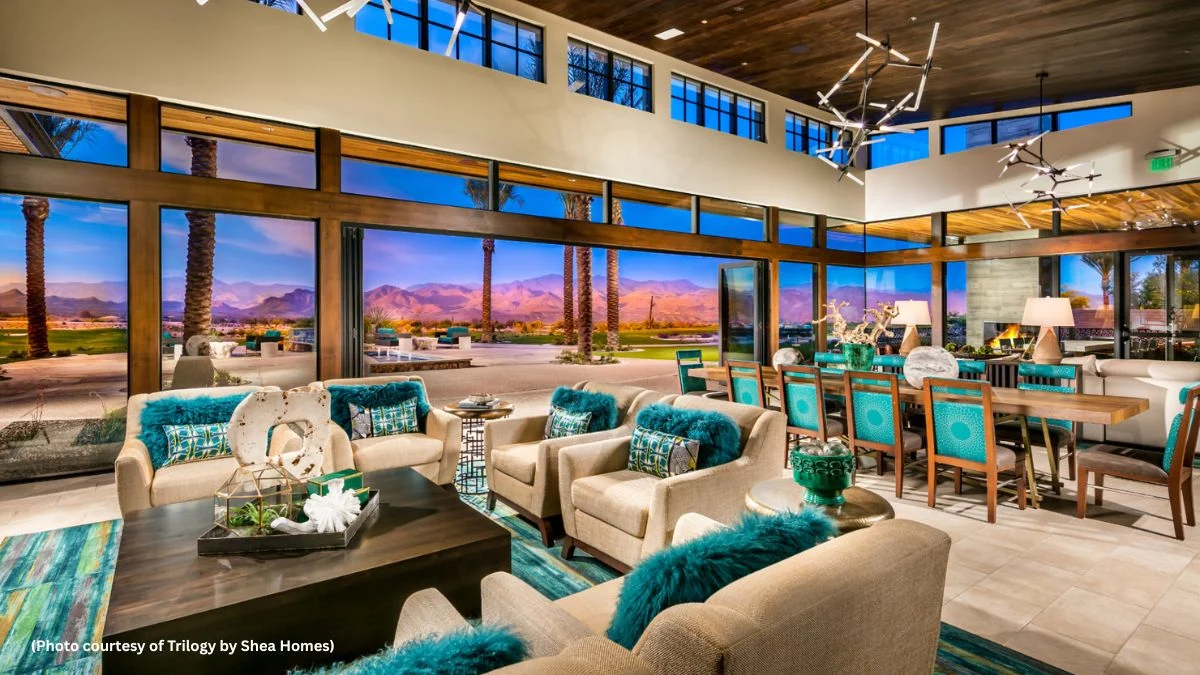
This psychological disconnect has led Trilogy to pivot its messaging toward "Life Unscripted." This branding emphasizes optionality. By showcasing a variety of interests—from pickleball and wellness classes to fine dining and trail systems—without mandating participation, developers can appeal to the desire for autonomy. The goal is to present the community as a collection of resources that residents can tap into at their leisure, rather than a rigid program of forced socialization.

The Role of Data and Long-Term Engagement
The extended sales cycle in the 55-plus market necessitates a sophisticated, long-term engagement strategy. Data indicates that for many buyers in this segment, the decision-making process is dictated by life stage markers—such as the sale of a family home, retirement, or the desire to be closer to grandchildren—rather than market timing.
To bridge this gap, developers are employing "stay and play" programs, which allow prospective buyers to live on-site for several days. This trial period acts as a low-risk commitment, allowing buyers to test the community’s amenities, walk the trails, and gauge the social environment. It is a form of experiential marketing that effectively reduces the "fear of the unknown," which is often the biggest hurdle to closing a sale.
Furthermore, the integration of resident ambassador programs has become a cornerstone of modern community management. By training residents to act as informal hosts, developers tap into the authentic enthusiasm of those who already call the community home. This not only lightens the load on the professional sales team but also provides prospects with a sense of security, knowing that they are being welcomed by peers rather than pushed by salespeople.
Economic Implications and Market Resilience
Despite broader economic fluctuations, the active adult sector remains a bright spot in the residential real estate market. However, the current environment has made buyers more analytical. They are looking for value, not just in the build quality, but in the return on investment for their lifestyle.
From a macroeconomic perspective, the "silver tsunami"—the massive demographic shift of aging Baby Boomers and Gen Xers—suggests that demand for age-targeted housing will remain robust for at least the next decade. However, the type of housing required is changing. The demand is shifting toward communities that offer a balance between privacy and connectivity.
The emphasis on "optionality" in amenities—whereby a developer provides the infrastructure for a social life (trails, clubs, pools) but leaves the level of engagement to the individual—is a direct response to the independent nature of the modern older adult. As competition intensifies, the builders who succeed will be those who can most effectively communicate that their communities are not just places to reside, but ecosystems designed to facilitate a higher quality of life.
Conclusion: The Future of Community Building
The evolution of the 55-plus housing market reflects a broader societal trend: the rejection of one-size-fits-all retirement. The modern buyer is looking for a home that facilitates their specific interests and provides a sense of community without sacrificing their independence.
The strategies employed by Amblebrook and Trilogy by Shea Homes represent a professionalization of the sales process that acknowledges these nuances. By leveraging community ambassadors, hosting inclusive events, and curating an environment that appeals to the Gen X mindset, these developers are setting a new standard for the industry. As the demographic shift continues, the ability to demonstrate a tangible, vibrant, and personalized lifestyle will remain the most critical factor in converting prospects into residents. The successful builder of the future will be less of a construction firm and more of a lifestyle curator, providing the stage upon which their residents can script their own best lives.