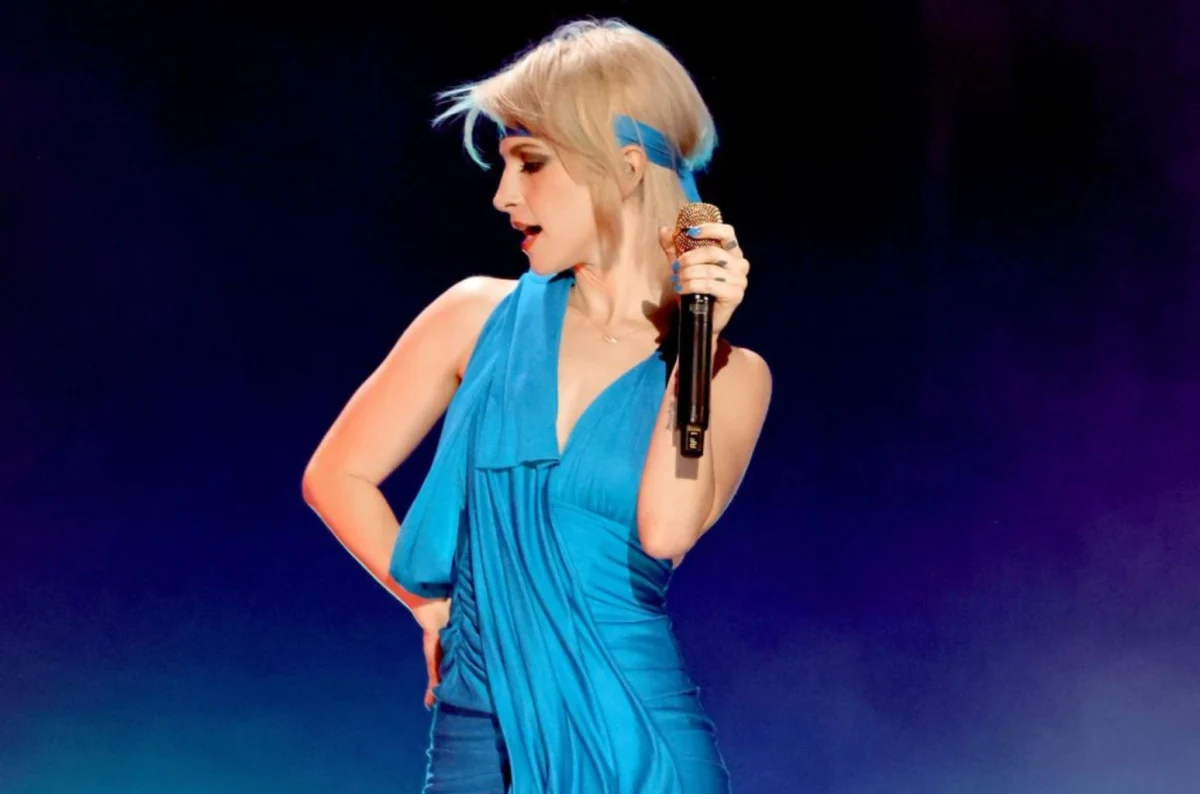
The celebrated Paramore frontwoman Hayley Williams is currently traversing the United States on a headline tour that marks a significant milestone in her solo career. Promoting her latest studio effort, Ego Death at a Bachelorette Party, released in August 2025, the tour showcases a distinct evolution in Williams’ musical identity, blending her established pop-rock sensibilities with the experimental lyrical narratives that define her recent work. The tour, which has seen high demand across major metropolitan markets, is scheduled to conclude on October 12, 2026, at the BankPlus Amphitheater at Snowden Grove in Southaven, Mississippi.
A New Chapter: The Context of the 2026 Tour
Following the continued success and cultural impact of Paramore’s recent cycles, Hayley Williams has carved out a dedicated space for her solo projects. Ego Death at a Bachelorette Party has been met with critical intrigue, noted for its introspective look at social pressures, modern relationships, and the personal growth that often follows life’s most chaotic milestones. This tour serves as the primary vessel for bringing these themes to life, with Williams curating a setlist that bridges the gap between her solo material and the high-octane energy expected by her longtime fan base.

The production design of the current tour reflects the themes of the album—shifting between intimate, stripped-back arrangements and high-energy, anthemic performances. By bringing on supporting acts such as the synth-pop visionary Magdalena Bay and the genre-defying rapper Rico Nasty, Williams has curated a diverse sonic environment that attracts a broad demographic of concertgoers.
Tour Chronology and Regional Impact
The U.S. leg of the tour has been characterized by a rapid succession of sold-out dates. Commencing in late summer, the itinerary was strategically planned to hit major cultural hubs, including New York City, Cincinnati, New Orleans, and Los Angeles. These cities were selected not only for their high population density but also for their historical significance in the alternative rock scene, where Williams has maintained a consistent presence for over two decades.
The logistical planning of this tour has emphasized accessibility, despite the high demand. Industry analysts note that the choice of venues—ranging from historic theaters to regional amphitheaters—suggests a deliberate attempt to maintain a connection between the artist and the audience. As the tour approaches its final stop in Southaven, Mississippi, the focus has shifted toward ensuring that fans who were unable to secure initial presale tickets have viable, safe, and regulated options for attendance.

Analysis of the Secondary Ticket Market
The surge in popularity for the tour has placed significant pressure on the primary ticketing systems, leading to near-total sellouts across the board. Consequently, the secondary market has become a primary point of interaction for many fans. Retailers such as StubHub, Vivid Seats, SeatGeek, TicketNetwork, and Gametime have become essential resources for those seeking entry to the remaining shows.
Data from these platforms indicates that pricing fluctuates based on proximity to the stage and the specific venue’s capacity. While standard tickets often start at accessible price points—sometimes as low as $23 to $39 depending on the platform—premium, floor-level, and VIP packages command a significantly higher premium.
To mitigate the volatility of the secondary market, platforms have implemented various consumer protection protocols. StubHub’s "FanProtect Guarantee," for instance, promises a full refund or credit if a concert is canceled, providing a safety net for fans navigating the resale landscape. Similarly, Vivid Seats and SeatGeek utilize "Buyer Guarantees" to ensure the authenticity of digital tickets, which are now the industry standard for secure, paperless entry.

The Economics of Modern Touring
The decision to utilize multiple third-party ticket marketplaces reflects the broader shifts in the post-pandemic live music industry. Artists and promoters are increasingly tasked with managing the balance between affordability and the realities of supply and demand. By allowing for the resale of tickets through regulated exchanges, Williams’ management team has effectively created a secondary economy that prevents price gouging while maintaining transparency.
Financial experts observing the tour have noted that the inclusion of promotional codes—such as "BB30," "BILLBOARD10," and various tiered savings at TicketNetwork—serves as an incentive for fans to use verified platforms rather than unregulated peer-to-peer forums. This strategy not only protects the consumer but also provides data-driven insights into where demand is highest, which can influence future tour routing.
Supporting Acts and Cultural Resonance
The choice of support acts for this tour is indicative of Williams’ influence in shaping contemporary music trends. Magdalena Bay, known for their innovative use of digital soundscapes and visual storytelling, provides a modern, electronic contrast to Williams’ organic rock foundation. Conversely, Rico Nasty brings a raw, aggressive energy that challenges the traditional boundaries of the alternative rock concert experience.

This collaborative approach has been praised by industry critics as a "bridging of worlds." By integrating diverse sounds, Williams is not merely performing a series of concerts; she is curating an experience that reflects the eclectic listening habits of her audience. This, in turn, has helped sustain interest in the album, as the live performances provide a new context for the studio tracks.
Implications for the Industry
The success of the 2026 tour underscores several key implications for the future of touring artists of Williams’ stature:
- Direct Engagement: The shift toward digital delivery and mobile-first ticketing has streamlined the entry process, reducing wait times at security checkpoints and minimizing the potential for fraudulent ticket sales.
- Platform Integration: The reliance on third-party resale partners has become a necessary evil of the modern concert experience. The success of this tour suggests that when platforms provide clear, all-in pricing and transparent fee structures, fans are more likely to participate in the secondary market.
- Longevity through Evolution: By consistently releasing content that challenges her previous work, Williams has managed to keep her brand relevant. The tour demonstrates that there is still a massive appetite for artists who are willing to reinvent themselves while respecting their musical roots.
Looking Ahead to the Finale
As the tour winds down, the focus turns to the final performance at the BankPlus Amphitheater. The choice of a Mississippi venue for the tour’s conclusion is particularly poignant, serving as a homecoming of sorts for the artist and highlighting the importance of regional markets in the national touring circuit.

For fans planning to attend the remaining shows, the advice from industry insiders remains consistent: utilize official resale channels, monitor official social media channels for last-minute inventory releases, and be aware of the "all-in" pricing structures that many platforms have adopted to simplify the checkout experience.
The Hayley Williams 2026 tour stands as a testament to the artist’s resilience and her continued ability to command large-scale audiences. Whether through the lens of a fan seeking a concert experience or an analyst studying the mechanics of the modern music business, the tour represents a significant chapter in the ongoing narrative of one of rock’s most enduring voices. As the final notes play in Southaven this October, the legacy of Ego Death at a Bachelorette Party will be cemented not just in the charts, but in the memory of the thousands who witnessed its translation from the studio to the stage.