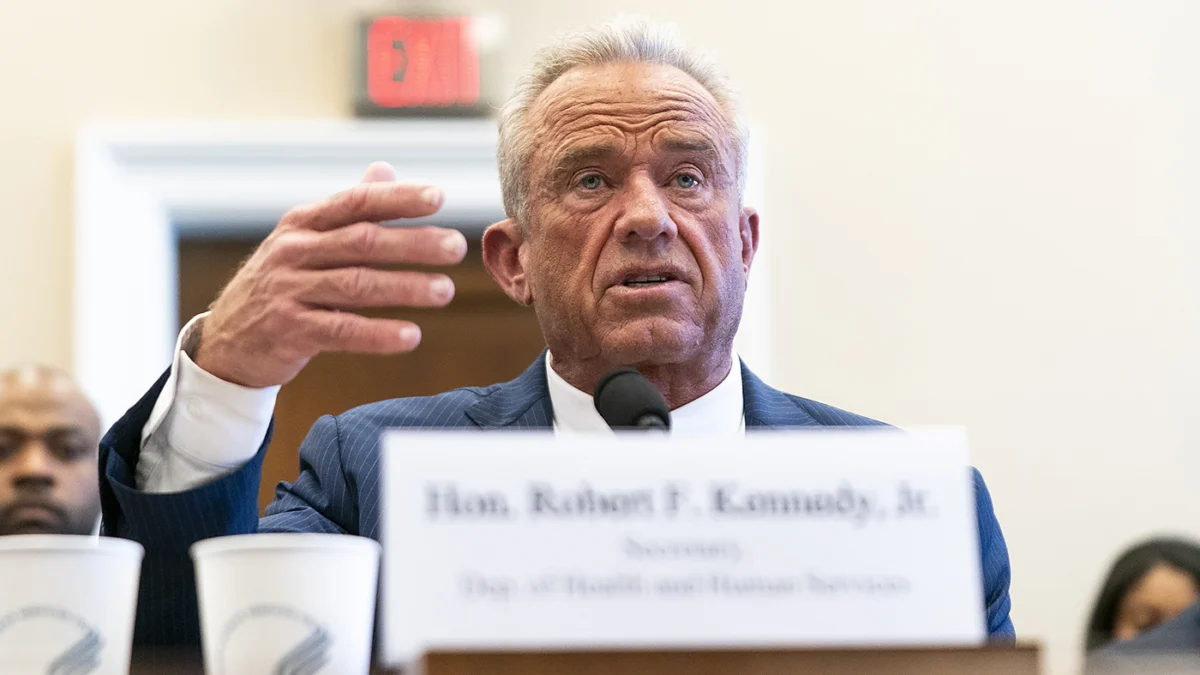
Health Secretary Robert F. Kennedy Jr. launched his own podcast this week, signaling a strategic pivot to directly engage and mollify his "Make America Healthy Again" (MAHA) base following a series of recent policy shifts perceived as betrayals. The move comes as the White House, under President Trump, is reportedly shifting away from overhauling vaccine policy, opting instead to prioritize less controversial MAHA tenets such as healthy eating and food safety initiatives. This direct communication channel aims to bridge a growing divide between the administration’s health agenda and its most ardent grassroots supporters.
The Strategic Rationale Behind the Podcast Launch
Kennedy’s decision to launch "The Secretary Kennedy Podcast" underscores a nuanced political strategy. Having long been partial to the medium, the podcast offers an unfiltered platform for Kennedy to articulate his positions, address concerns, and reassure a base that has expressed significant disillusionment. The first episode, released on Wednesday, focused on the intricacies of the U.S. food system, featuring a conversation with celebrity chef Robert Irvine. This choice of topic aligns perfectly with the administration’s new emphasis on dietary health and food safety, areas considered more politically palatable than the contentious issue of vaccine policy reform.

The MAHA movement, a broad coalition united by a desire for greater health autonomy and a critical stance on established public health practices, encompasses several distinct factions. These include groups primarily concerned with pesticide regulation, others focused on the broader food supply chain, and a significant segment advocating for limitations on vaccine mandates. The inherent diversity within the movement often leads to internal conflicts and varying priorities, making unified communication a persistent challenge for its leadership.
Deep Dive into MAHA’s Discontent: Perceived Betrayals
The recent "letdowns" cited by Kennedy’s MAHA base are rooted in specific policy decisions that have seemingly contradicted the movement’s core principles. These developments have led many supporters to feel "betrayed by the administration," a sentiment that the new podcast endeavors to address.
-
The Shifting Sands of Vaccine Policy: A primary source of frustration for many in the MAHA movement has been the White House’s apparent retreat from aggressive vaccine policy overhaul. Early in the administration, there was an expectation among MAHA proponents that Kennedy, given his past public statements and perceived alignment with vaccine skepticism, would spearhead significant changes to national vaccine schedules, mandates, and regulatory oversight. However, sources close to the administration suggest that the political capital required for such an ambitious and divisive undertaking proved too high, especially in the face of robust scientific consensus and established public health frameworks. The potential for widespread public backlash, legal challenges, and the risk of exacerbating public health crises likely prompted a strategic reevaluation, shifting focus to less contentious areas. This pivot has left many vaccine-focused MAHA activists feeling abandoned, perceiving it as a compromise of core campaign promises.

-
Glyphosate and Dietary Guidelines: Points of Contention: Further compounding the sense of betrayal was President Trump’s recent executive order aimed at increasing access to glyphosate-based herbicides. Glyphosate, a widely used herbicide, has been a major point of contention for environmental and health advocates, including many in the MAHA movement, who link it to various health concerns and environmental damage. The International Agency for Research on Cancer (IARC), a division of the World Health Organization (WHO), classified glyphosate as "probably carcinogenic to humans" in 2015, although regulatory bodies like the U.S. Environmental Protection Agency (EPA) have maintained that it is "not likely to be carcinogenic to humans" when used according to label instructions. The executive order, perceived as prioritizing agricultural industry interests over public health concerns, directly contradicted the MAHA faction focused on pesticide regulation and clean food supply.
Simultaneously, the heavy influence of experts tied to the food industry, particularly the beef and dairy sectors, on the latest Dietary Guidelines for Americans, ignited further outrage within the MAHA ranks. Critics within the movement argue that these guidelines, ostensibly designed to promote public health, instead reflect the lobbying power of large agricultural corporations, potentially downplaying the benefits of plant-based diets or alternative food systems. This perceived corporate capture of dietary advice undermined the credibility of official health recommendations in the eyes of MAHA advocates, reinforcing their belief that conventional institutions are compromised.
"The Secretary Kennedy Podcast": A Direct Line to the Base
The launch of "The Secretary Kennedy Podcast" is a clear attempt to bypass traditional media filters and establish a direct line of communication with his supporters. In an era of fragmented media consumption and growing distrust in mainstream news, podcasts have emerged as a powerful tool for niche communities and political figures to engage deeply with their audiences. The long-form conversational format allows for nuanced discussions, enabling Kennedy and his guests to delve into complex or controversial topics in a way that brief interviews or press conferences often cannot.

The choice of celebrity chef Robert Irvine for the inaugural episode on the U.S. food system is particularly symbolic. Irvine, known for his television shows and advocacy for healthy eating, provides a recognizable and credible voice to discuss issues like food safety, nutritional quality, and sustainable practices – all pillars of the "less controversial" MAHA agenda. This strategic pairing helps frame the podcast as an informative and practical resource, rather than solely a political platform. Future episodes are expected to explore other facets of the MAHA agenda, potentially covering topics such as nutritional science, environmental health, and alternative medicine, carefully sidestepping the more politically charged vaccine debates for the time being.
Grassroots Reception and Endorsement
Early reactions from prominent MAHA influencers indicate a cautious but optimistic reception to Kennedy’s new initiative. These figures, who often serve as conduits between the movement’s leadership and its extensive grassroots network, view the podcast as a vital step towards re-engagement and reassurance.
Vani Hari, widely known as "The Food Babe" through her popular vlog and books, expressed her support to The Hill, stating, "Long-form conversation lets someone like Kennedy and his guest explain complex or controversial positions in a way short interviews can’t — that’s a good thing." Hari’s endorsement highlights the perceived value of depth and detail, which she believes is crucial for unpacking the intricate issues central to the MAHA movement. Her focus on food transparency and corporate accountability resonates deeply with the podcast’s initial theme, reinforcing the administration’s shift towards food-centric MAHA policies.

Similarly, Kelly Ryerson, an online personality known as "The Glyphosate Girl," emphasized the importance of direct engagement. "It is helpful to have the secretary reengage directly, as this will remind the grassroots why they supported this administration and confirm that Kennedy is still working on our behalf. Kennedy’s bravery in confronting captured agencies drove millions of votes," Ryerson told The Hill. Her statement underscores the desire among the base for Kennedy to reclaim his role as a vocal critic of established institutions and advocate for their specific concerns, particularly regarding environmental toxins like glyphosate. The podcast is seen as a vehicle to rekindle the original enthusiasm and trust that propelled many of his supporters to back the current administration.
Understanding the "Make America Healthy Again" Coalition
The "Make America Healthy Again" movement, while politically aligned with the Trump administration, draws from a diverse ideological wellspring. Its roots can be traced to various historical currents, including the alternative health movement of the 20th century, consumer protection advocacy, environmental activism, and a growing skepticism towards large pharmaceutical companies and government health agencies. The MAHA movement gained significant traction by capitalizing on public anxieties regarding food safety, environmental pollution, chronic diseases, and vaccine efficacy, often promoting solutions that diverge from mainstream medical and scientific consensus.
Key tenets of the MAHA agenda typically include:

- Food Purity and Safety: Advocating for organic, non-GMO foods, reduced pesticide use, and stricter regulations on food additives and processing.
- Environmental Health: Concerns over toxins in the environment, water, and air, often linking them to various health conditions.
- Vaccine Autonomy: A strong emphasis on individual choice regarding vaccination, often questioning the safety and necessity of mandatory vaccination schedules.
- Critique of "Big Pharma" and "Captured Agencies": A deep-seated belief that pharmaceutical companies and regulatory bodies like the FDA and CDC are unduly influenced by corporate interests, leading to compromised public health policies.
- Holistic and Integrative Health: Promotion of alternative and complementary therapies, alongside a focus on lifestyle, diet, and natural remedies.
The movement’s influence extends beyond policy debates, impacting consumer choices, dietary trends, and even parenting decisions. Its ability to mobilize a dedicated base through online communities and social media platforms has made it a significant force in the political landscape, capable of influencing elections and shaping public discourse.
Navigating Political Currents and Public Health Discourse
Kennedy’s podcast initiative, while primarily aimed at consolidating his base, carries significant implications for both political strategy and public health discourse. Politically, it represents an attempt to manage internal dissent within the Trump administration’s broader coalition. By providing a direct channel for Kennedy to address his supporters, the White House hopes to mitigate potential fracturing of its base, especially as it navigates a complex legislative agenda. The shift towards "less controversial" health policies also suggests an administration keen on demonstrating tangible progress in areas where consensus might be more achievable, even if it means deferring more contentious issues.
From a public health perspective, the podcast’s impact is multifaceted. On one hand, by focusing on topics like healthy eating and food safety, Kennedy could potentially amplify important messages about wellness and preventative care. Engaging celebrity figures like Robert Irvine might also broaden the appeal of these messages to a wider audience. On the other hand, the MAHA movement’s historical skepticism towards mainstream scientific institutions raises concerns among public health experts. There is always a risk that discussions, even on seemingly benign topics, could veer into areas of misinformation or promote unverified health claims, potentially undermining established scientific consensus and trusted public health guidance. Public health organizations will likely monitor the podcast closely, looking for opportunities to engage with its content or counter narratives that they deem unscientific or harmful.

The Future Trajectory of MAHA and Kennedy’s Influence
The long-term success of Kennedy’s podcast in mollifying his base and shaping the MAHA agenda remains to be seen. While influencers have expressed openness, the deeper ideological rifts regarding vaccine policy are unlikely to disappear simply through podcast discussions on food safety. The movement’s strength lies in its passionate advocacy across multiple health concerns, and its various factions will continue to press for their specific priorities.
Kennedy’s ability to maintain credibility with a base that values direct action and uncompromising stances, while operating within the constraints of a federal administration, will be a defining challenge. The podcast could serve as a vital tool for him to maintain his influence and leadership within the MAHA movement, even as the administration’s broader policy agenda adapts to political realities. It also highlights the evolving landscape of political communication, where direct-to-consumer digital platforms are increasingly becoming essential for leaders to cultivate and maintain their support networks. As the "Secretary Kennedy Podcast" unfolds, it will offer a unique window into the dynamics of the "Make America Healthy Again" movement and its ongoing influence on American health policy and public discourse.