
I-95 Construction in East Lyme Intensifies with Closure of Entrance to Exit 74 Interchange
Major disruptions are now a reality for commuters navigating Interstate 95 in East Lyme, Connecticut, as a critical entrance ramp to the Exit 74 interchange has been permanently closed to facilitate ongoing construction. This significant closure, a direct consequence of the multi-phase I-95 project, signals an escalation in the work underway and mandates immediate attention for travelers who rely on this route for access to and from the highway. The closure impacts the northbound on-ramp to I-95 from Route 156 and Route 161, a vital artery for residents of East Lyme, Waterford, and surrounding communities, as well as commercial traffic. The extended duration of this closure, coupled with anticipated traffic pattern shifts for other ramps and sections of I-95, underscores the importance of proactive planning and adherence to detour routes. This article will delve into the specifics of the closure, explore the broader implications for traffic flow and local businesses, and provide essential guidance for navigating this complex construction zone.
The closure of the northbound I-95 entrance ramp from Route 156/161 at Exit 74 is not an isolated incident but a planned phase within the larger, multi-year I-95 corridor revitalization project. This comprehensive undertaking aims to address critical infrastructure needs, including bridge rehabilitation, pavement upgrades, and safety enhancements along a significant stretch of the interstate. The specific work necessitating the ramp closure involves the reconstruction and widening of the Exit 74 interchange itself, a complex undertaking designed to improve capacity, reduce congestion, and enhance the overall safety of this heavily trafficked area. The permanent nature of this closure indicates a fundamental redesign of the interchange, moving away from the previous configuration to a more modern and efficient layout. This long-term solution, while temporarily inconvenient, is part of a strategic effort to modernize one of Connecticut’s most vital transportation corridors. The project is being managed by the Connecticut Department of Transportation (CTDOT) and has been subject to extensive planning and public outreach, with the current ramp closure being a heavily communicated but nonetheless impactful stage.
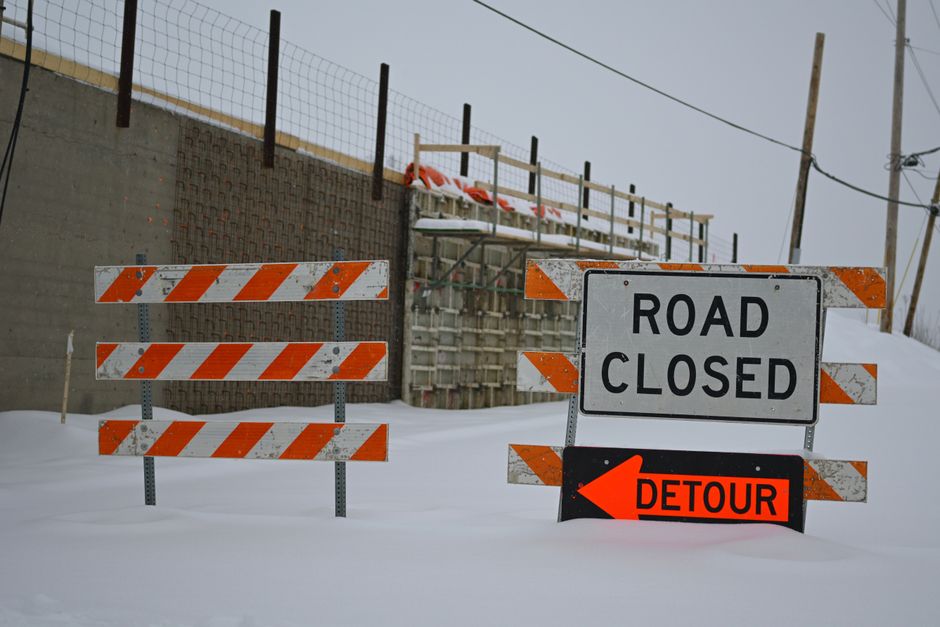
For drivers accustomed to utilizing the Route 156/161 northbound entrance to I-95, the closure necessitates immediate adoption of alternative routes. CTDOT has established official detour routes, which will become the primary pathways for accessing I-95 northbound from these local roads. The primary detour will direct northbound traffic on Route 156/161 to continue further north on Route 156, bypassing the closure and instead accessing I-95 northbound via the entrance ramp at Exit 75 (Chesterfield Road). This detour will add significant travel time for many, especially during peak commuting hours. Signs and traffic control personnel are being deployed to guide drivers, but drivers are strongly advised to familiarize themselves with these detours in advance to minimize confusion and delays. The impact of this detour extends beyond direct I-95 users, as increased traffic is anticipated on local roads that form the detour, potentially affecting residents and businesses along those routes. Furthermore, drivers utilizing I-95 southbound will find the exit ramp from Exit 74 to Route 156/161 remains open, but the connection to the northbound on-ramp is now severed.
The broader implications of the Exit 74 ramp closure extend significantly to the economic landscape of East Lyme and surrounding towns. Businesses located in the vicinity of Exit 74, particularly those reliant on highway access for customer traffic and deliveries, will undoubtedly feel the impact. Restaurants, retail establishments, and service providers that have historically benefited from convenient access for travelers passing through the interchange may experience a decline in walk-in business. Similarly, logistics and delivery companies serving the region will need to re-route their operations, potentially increasing delivery times and operational costs. The long-term vision of the I-95 project is to improve overall connectivity and economic vitality, but the interim construction phases, such as this ramp closure, present tangible economic challenges for local enterprises. Proactive communication between CTDOT and local business organizations is crucial to mitigate these impacts, and businesses are encouraged to explore strategies for adapting to the new traffic patterns, such as enhanced online visibility and adjusted delivery schedules.
The intensification of I-95 construction in East Lyme also highlights the complex logistical challenges inherent in large-scale infrastructure projects. The permanent closure of a major entrance ramp requires the careful coordination of multiple construction crews, material deliveries, and traffic management strategies. The work at Exit 74 involves extensive earthmoving, concrete pouring, and the erection of new structural components, all of which contribute to the ongoing disruptions. Beyond the immediate ramp closure, commuters should anticipate other related impacts. These could include temporary lane closures on I-95 itself, reduced speed limits, and shifted traffic patterns as construction progresses to other areas of the interchange. CTDOT’s ongoing communication efforts, through their website, social media channels, and local media advisories, are essential for keeping the public informed about these evolving conditions. Travelers are urged to consult these resources regularly for the most up-to-date information on traffic advisories, detours, and expected completion timelines for various project phases.
For residents of East Lyme and Waterford, the closure of the Exit 74 northbound entrance ramp represents a significant shift in daily commuting habits. Beyond the immediate detour to I-95, the increased volume of traffic on alternate routes, such as Chesterfield Road and other local thoroughfares, could lead to localized congestion and longer travel times for those not directly accessing the interstate. Residents who live near the detour routes may also experience increased noise and traffic activity. The long-term benefits of a modernized I-95 are undeniable, promising smoother travel and improved safety for decades to come. However, the current construction phase demands a collective effort in patience and adaptability. Exploring alternative modes of transportation, such as public transit where available, or adjusting work schedules to avoid peak hours, could offer some relief. Carpooling remains an effective strategy for reducing the number of vehicles on the road and mitigating the impact of increased traffic volumes.
The I-95 corridor in Connecticut is a critical transportation artery, serving millions of travelers annually and supporting significant economic activity. The ongoing construction project, encompassing numerous bridges, interchanges, and pavement segments, is a testament to the state’s commitment to maintaining and improving this vital infrastructure. The closure of the Exit 74 northbound entrance ramp is a direct reflection of the intensive work being undertaken at this specific location to create a more efficient and safer interchange. This project, like many large-scale infrastructure endeavors, is characterized by phased construction, meaning that as one section is completed, others may begin, leading to a sustained period of disruption. The permanent nature of this particular closure signifies a more fundamental transformation of the interchange rather than a temporary diversion. Understanding the scope and purpose of the broader I-95 project is crucial for contextualizing the immediate inconveniences.
The economic impact on local businesses is a critical consideration for CTDOT and local municipalities. Strategies to mitigate these impacts often involve heightened visibility for businesses through signage indicating they are open and accessible, even during construction. The promotion of online ordering, curbside pickup, and delivery services can help businesses adapt to changing customer access patterns. Local chambers of commerce and economic development agencies play a vital role in coordinating these efforts and providing support to affected businesses. The long-term economic benefits of improved infrastructure, including enhanced accessibility and reduced travel times once the project is complete, are expected to outweigh the temporary disruptions. However, the interim period requires proactive engagement and support for the local business community.
Travelers are strongly encouraged to utilize real-time traffic applications and CTDOT’s official resources for the most current information. These tools can provide live updates on traffic conditions, suggest alternative routes, and inform drivers about any unexpected delays or changes in traffic patterns. The construction schedule is dynamic and subject to adjustments based on weather conditions and project progress. Therefore, relying on outdated information can lead to unnecessary frustration and lost time. A proactive approach to travel planning, including checking traffic conditions before departing and being prepared to adapt to detours, will be essential for navigating this period of intensified construction.
The I-95 corridor construction project in East Lyme, marked by the permanent closure of the northbound entrance ramp at Exit 74, represents a significant, albeit temporary, challenge for the region. While the immediate impact involves detours and increased travel times, it is a necessary step towards a modernized and more efficient transportation network. The project’s ultimate goal is to enhance safety, reduce congestion, and support economic growth along one of Connecticut’s most vital highways. Commuters, residents, and businesses are urged to exercise patience, stay informed through official channels, and adapt their travel habits to navigate this construction phase effectively. The long-term benefits of this substantial infrastructure investment will ultimately serve to strengthen the connectivity and economic vitality of East Lyme and the broader Connecticut region.
