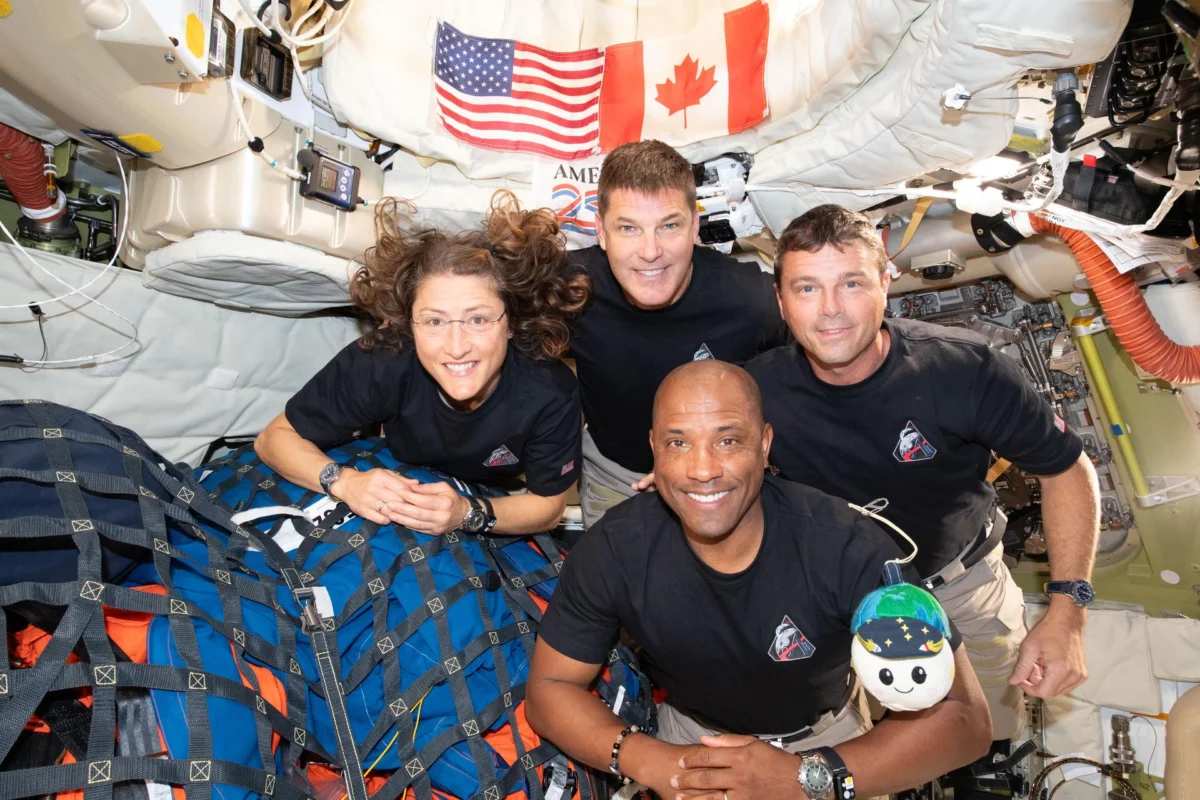
The Human Research Program (HRP) of the National Aeronautics and Space Administration (NASA) has initiated a significant data challenge, offering a substantial prize pool of $25,000 to experts who can develop innovative analytical methods for understanding the complex physiological and psychological impacts of deep space travel on astronauts. This initiative is directly spurred by the invaluable data gathered during NASA’s historic Artemis II mission, the first crewed voyage to lunar vicinity in over fifty years. The challenge, which opened for submissions on March 30, 2026, and closes on June 5, 2026, aims to harness the collective ingenuity of the scientific community to extract maximum insight from a dataset that represents a monumental leap in our understanding of human endurance beyond Earth’s protective magnetosphere.
Artemis II: A New Era of Human Deep Space Exploration
The Artemis II mission, launched in December 2026, marked a profound return of humanity to the vicinity of the Moon, a feat not accomplished since the Apollo 17 mission in December 1972. Carrying four astronauts aboard the Orion spacecraft, the mission embarked on a trajectory that took them farther into deep space than any humans had ventured before. This pioneering voyage was not merely a journey to a celestial body; it was a critical testbed for understanding the long-term effects of space travel on the human organism, paving the way for future sustained lunar operations and eventual human missions to Mars. For the first time in over half a century, astronauts experienced firsthand the multifaceted challenges of operating beyond low Earth orbit, including exposure to increased levels of space radiation, the psychological and physiological effects of prolonged isolation and confinement within a new spacecraft, and the rigorous operational demands inherent in a complex, extended mission profile.
HRP’s Crucial Role in Safeguarding Astronaut Health
NASA’s Human Research Program (HRP) is at the forefront of this endeavor, dedicated to developing and implementing advanced countermeasures and research methodologies to ensure the health and performance of astronauts during space missions. With NASA’s ambitious goals for establishing a sustainable presence on the Moon through the Artemis program and the ultimate objective of human exploration of Mars, the HRP’s work is more critical than ever. The program leverages a sophisticated network of ground-based research facilities, the International Space Station (ISS) as a vital orbital laboratory, and carefully selected analog environments on Earth that mimic aspects of space conditions. Through these diverse platforms, the HRP meticulously monitors human health in deep space, a complex and evolving frontier.
The Artemis II mission presented an unparalleled research opportunity for the HRP. The data collected from its four-person crew will significantly expand the existing knowledge base, which has been primarily derived from missions conducted in low Earth orbit. Extending this understanding into the true deep space environment—characterized by greater radiation exposure, different gravitational influences, and increased communication delays—is essential for mission success and astronaut safety. The direct measurements obtained from Artemis II will provide critical insights into how the human body and mind adapt to conditions that cannot be fully replicated in simulated environments on Earth.
The Artemis II Human Research Data Methodology Challenge: Tackling a Unique Dataset
The Artemis II mission generated a dataset of immense scientific value, yet it also presents a significant analytical challenge. While the crew size of four individuals is relatively small, the data encompasses a broad spectrum of physiological systems, employs multiple data collection modalities (ranging from biosensors to subjective questionnaires), and spans various temporal points throughout the mission. This unique combination of breadth and depth, within a limited sample, demands novel analytical approaches. It is precisely this challenge that the NASA Artemis II Human Research Data Methodology Challenge aims to address.
The challenge invites researchers, data scientists, engineers, and other experts from around the globe to propose and develop innovative methodologies for analyzing this rich, multi-faceted dataset. The goal is to extract the most comprehensive and actionable insights possible, thereby informing the development of effective strategies to mitigate the risks associated with long-duration spaceflight. The $25,000 in total prizes will be awarded to individuals or teams who demonstrate the most promising and effective analytical approaches, pushing the boundaries of what is currently possible in human spaceflight research.
Background and Chronology of Deep Space Human Research
The journey to understanding human health in space has been a gradual, yet persistent, progression. The early days of space exploration, from Yuri Gagarin’s first orbit in 1961 to the Apollo missions that landed humans on the Moon, provided foundational knowledge about immediate physiological responses to microgravity and the space environment. The Skylab space station and subsequent Space Shuttle missions allowed for longer durations in orbit, yielding more data on cardiovascular deconditioning, bone density loss, and muscle atrophy.
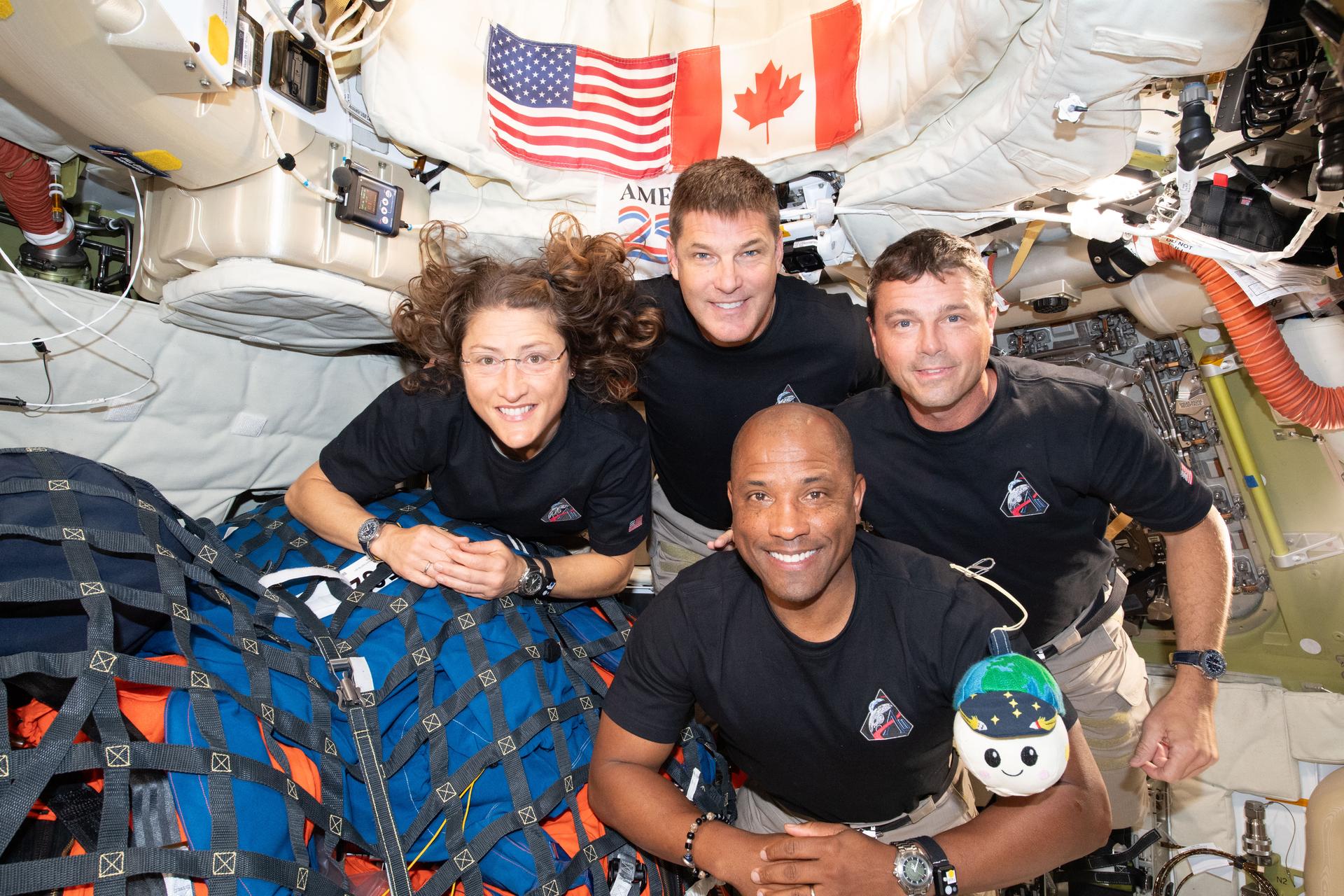
The International Space Station (ISS), a continuously inhabited orbital outpost since November 2000, has been the cornerstone of long-duration spaceflight research. For over two decades, astronauts have lived and worked aboard the ISS, participating in thousands of experiments that have illuminated the effects of prolonged exposure to microgravity, radiation, and the psychological stresses of confinement. Research on the ISS has focused on areas such as:
- Cardiovascular Health: Investigating fluid shifts, changes in heart rhythm, and the potential for orthostatic intolerance upon return to gravity.
- Bone and Muscle Physiology: Quantifying bone density loss and muscle mass reduction, and testing countermeasures like resistive exercise.
- Neuroscience and Vision: Studying the impact of microgravity on the vestibular system, spatial orientation, and the phenomenon of Spaceflight Associated Neuro-ocular Syndrome (SANS).
- Radiation Biology: Assessing the risks of galactic cosmic rays (GCRs) and solar particle events (SPEs) and developing shielding strategies.
- Psychological and Behavioral Health: Examining the effects of isolation, confinement, and workload on crew performance and well-being.
However, missions to the Moon and Mars present distinct challenges that differentiate them from ISS operations. The increased distance from Earth means greater radiation exposure due to diminished shielding from Earth’s magnetosphere. The duration of these missions will be significantly longer, requiring more robust countermeasures and a deeper understanding of long-term adaptation. The psychological impact of being farther from home, with potential communication delays, also becomes a more prominent concern.
The Artemis program is designed to bridge this gap. Artemis I, an uncrewed test flight of the Space Launch System (SLS) rocket and Orion spacecraft, successfully completed its mission in December 2022, validating the hardware and systems necessary for human deep space travel. Artemis II, the subsequent crewed mission, represented the crucial step of sending humans into this new domain.
Supporting Data and the Significance of the Artemis II Dataset
While specific, granular data from Artemis II remains largely proprietary and under intensive analysis by NASA, the types of data collected are generally known to be extensive and multi-modal. This typically includes:
- Biomedical Monitoring: Continuous or periodic measurements of heart rate, blood pressure, respiration, body temperature, and oxygen saturation.
- Physiological Samples: Blood and urine samples collected at various points to analyze biomarkers for stress, inflammation, metabolic changes, and immune function.
- Imaging: Ultrasound and other imaging techniques to monitor bone density, muscle mass, and ocular health.
- Cognitive and Psychological Assessments: Standardized questionnaires and performance tests to evaluate cognitive function, mood, stress levels, and sleep quality.
- Environmental Monitoring: Detailed records of radiation levels, spacecraft cabin conditions (temperature, humidity, CO2 levels), and crew activity logs.
- Biomechanical Data: Information on astronaut movement, posture, and exercise performance.
The challenge lies in integrating and interpreting this diverse array of data. For instance, how does a specific pattern of radiation exposure correlate with changes in immune cell counts and subsequent self-reported fatigue? Can shifts in sleep patterns be linked to subtle alterations in cognitive performance metrics? The Artemis II Human Research Data Methodology Challenge seeks methods that can uncover these complex interdependencies and provide predictive capabilities for future missions.
Official Responses and the Vision for Future Exploration
Dr. Bailey G. Light, a key figure within NASA’s Human Research Program, underscored the significance of this initiative in a statement accompanying the challenge announcement. "The Artemis II mission was an extraordinary achievement, pushing the boundaries of human exploration further than we have in decades," Dr. Light stated. "The data gathered from this mission is a treasure trove for understanding the human response to deep space. However, analyzing such a rich and complex dataset requires novel approaches. This challenge is designed to harness the collective brilliance of the global scientific and technical community to help us unlock the full potential of this invaluable information, ensuring the safety and success of future missions to the Moon and Mars."
NASA’s long-term vision, articulated through the Artemis program, is to establish a sustained human presence on the Moon, serving as a stepping stone for eventual crewed missions to Mars. This ambitious undertaking necessitates a deep and comprehensive understanding of how the human body and mind can best endure the rigors of long-duration spaceflight. The insights gained from Artemis II, and amplified through this data challenge, will be instrumental in designing habitats, developing advanced life support systems, and creating effective countermeasures for the physiological and psychological challenges astronauts will face on these future voyages.
Broader Impact and Implications
The implications of the Artemis II Human Research Data Methodology Challenge extend far beyond NASA’s immediate exploration goals. The development of advanced data analysis techniques for complex, multi-modal datasets has broad applicability across various scientific and medical fields. Methodologies developed to decipher astronaut health data could potentially be adapted for:
- Personalized Medicine: Analyzing vast amounts of patient data to identify individual risk factors and tailor treatments.
- Epidemiological Studies: Understanding the complex interplay of environmental factors and disease progression in large populations.
- Wearable Technology and Health Monitoring: Enhancing the capabilities of consumer health devices to provide more accurate and actionable insights.
- Cognitive Science and Neuroscience: Developing new tools for studying brain function and mental health.
Furthermore, the success of this challenge will bolster international collaboration in space exploration. By opening its data to a global community of researchers, NASA fosters a collaborative environment that accelerates scientific discovery and strengthens partnerships for future endeavors. The insights gleaned from the Artemis II mission, empowered by innovative analytical methodologies, will not only pave the way for humanity’s next giant leaps into the cosmos but also contribute to a deeper understanding of human resilience and adaptation in extreme environments. The challenge represents a pivotal moment in the ongoing quest to ensure that as humanity ventures further from home, it does so with the utmost safety and well-being of its explorers at the forefront of every mission.