The National Aeronautics and Space Administration (NASA) has officially announced the selection of 12 innovative research investigations designed to address the most pressing biological and physiological challenges inherent in long-duration space exploration. Representing a significant investment in the future of deep-space travel, these projects will receive a combined total of more than $7 million in funding through fiscal years 2026–2030. This initiative, facilitated by the agency’s Biological and Physical Sciences (BPS) Division, focuses on two critical pillars of mission sustainability: the development of off-planet food production systems and the enhancement of precision health monitoring for astronauts venturing to the Moon, Mars, and beyond.
The selection process, which stems from the ROSES-2024 (Research Opportunities in Space and Earth Sciences) solicitation, emphasizes a transition from exploratory research to the practical application of biological solutions. As NASA prepares for the Artemis program and subsequent human missions to Mars, the need to mitigate the effects of the space environment on human biology and to establish reliable, closed-loop life support systems has become a national priority.
Cultivating Life Beyond Earth: The Space Crops Initiative
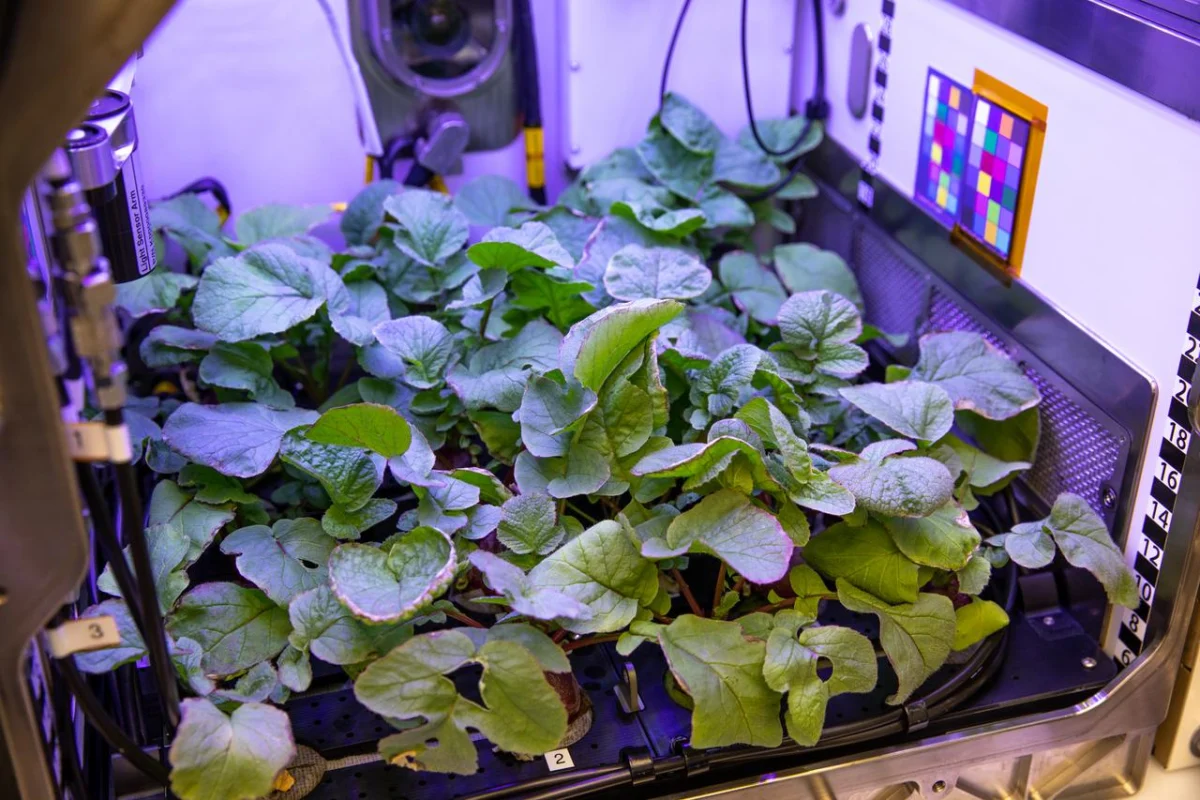
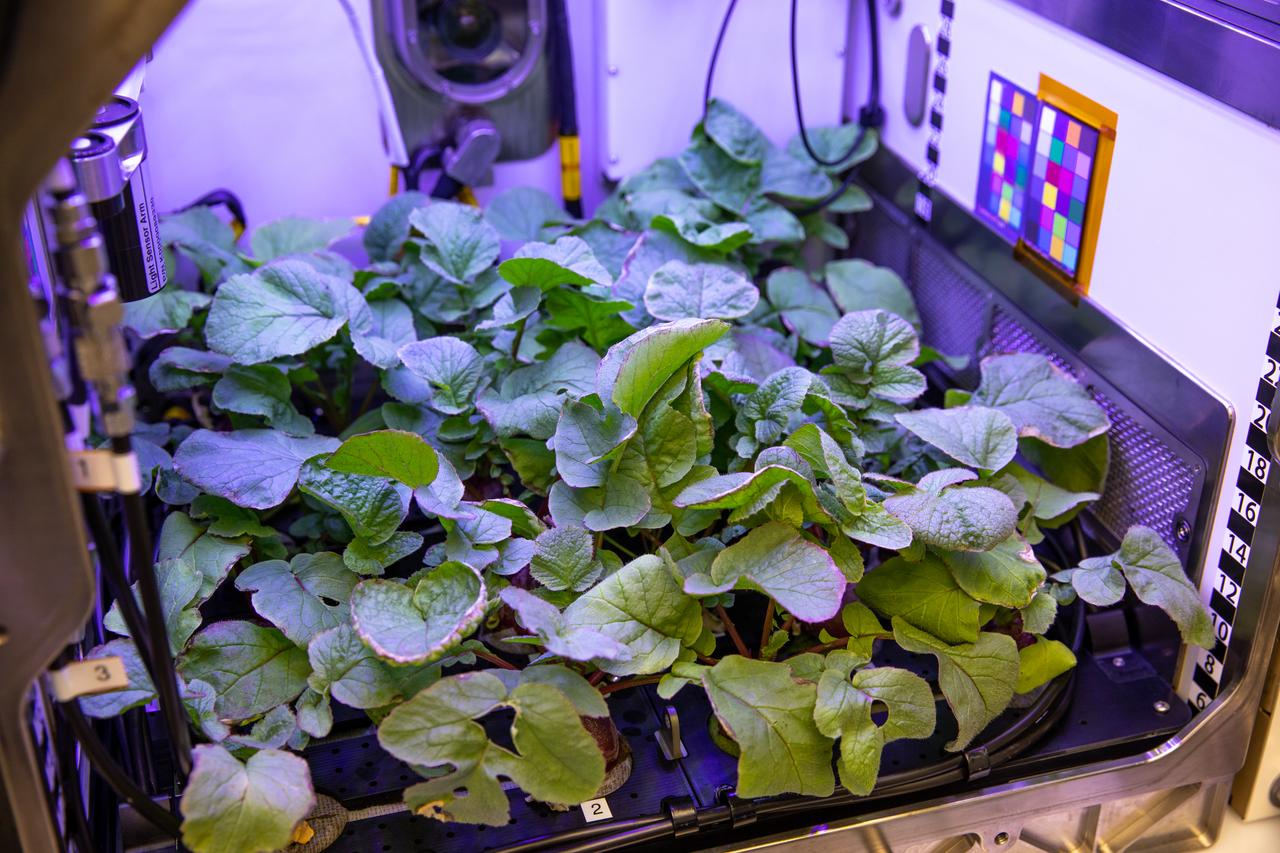
The first set of six selected proposals falls under NASA’s "Space Crops" grants, an initiative aimed at harnessing plant biology to ensure the survival and well-being of crew members during extended missions. The fundamental challenge for space agencies has always been the logistics of resupply. For missions to Mars, which could last several years, carrying enough pre-packaged food is physically impossible given current payload constraints. Consequently, the ability to cultivate fresh produce in situ is a mission-critical requirement.
Four of these newly funded investigations will conduct high-fidelity studies on edible plants, specifically analyzing how their physiology, growth patterns, and complex microbial ecosystems adapt to the unique stresses of space—including altered gravity and ionizing radiation. Understanding these microbial communities is essential, as they play a pivotal role in plant nutrient uptake and overall crop resilience.
Furthermore, one of the selected proposals focuses on "resurrection plants"—species capable of surviving extreme desiccation. By studying the genetic mechanisms these plants use to tolerate severe drought, researchers hope to identify traits that can be engineered into traditional crops to make them more robust against the harsh conditions of lunar or Martian greenhouses.
The final project in the Space Crops category involves the study of algal genetics. Building on foundational research conducted aboard the International Space Station (ISS), scientists will investigate how algal gene expression is modified by spaceflight. Algae represent a potential "super-food" for space travel due to their rapid growth cycles and high nutritional density. Uncovering the specific DNA segments that govern their survival in orbit could allow for the integration of biological, self-sustaining life-support systems that simultaneously provide oxygen and food.
Precision Health and Physiological Resilience
The second half of the 12 selected investigations addresses the biological reality of human health in space. The BPS Division’s precision health focus seeks to move beyond general medical monitoring toward individualized, proactive physiological management.
One primary concern addressed by the new research is the impact of lunar dust, or regolith. Unlike terrestrial dust, lunar regolith is abrasive and chemically reactive. One research proposal will examine the systemic effects of inhaling or being exposed to these fine particles, specifically tracking responses within the respiratory, immune, and inflammatory systems. Such data will be vital for developing specialized filtration and protective gear for future lunar surface explorers.
Another project aims to identify repurposed pharmaceuticals that could act as countermeasures against the accelerated aging and cellular degradation often observed in space. By leveraging existing, FDA-approved drugs, researchers hope to find efficient ways to mitigate muscle atrophy, bone density loss, and cardiovascular strain without the need for decade-long drug development cycles.
Two of the selected proposals are dedicated to studying how the synergistic effect of cosmic radiation and other stressors—such as microgravity and isolation—impacts organ health. These studies will focus on age-relevant biomarkers, providing a clearer picture of how "space aging" mirrors or diverges from natural terrestrial aging processes.
Finally, the remaining two studies in the health category are tasked with developing early-warning detection systems. By analyzing molecular and cellular changes in real-time, these systems will theoretically be able to notify crew members of health risks before clinical symptoms manifest. This predictive capability is essential for deep-space missions, where immediate evacuation to Earth is not an option.
Institutional Diversity and the Research Ecosystem
A notable feature of this selection cycle is the broadening of the scientific base. The principal investigators for these 12 studies represent 10 institutions across eight different states. Crucially, nine of the awarded investigators are receiving funding from the Space Biology Program for the first time. This influx of fresh perspectives and new laboratories is seen as a strategic move to invigorate the field of space biology, which has historically been concentrated in a handful of major research centers.
By incentivizing researchers from diverse academic and professional backgrounds, NASA is building a more resilient scientific pipeline. This approach not only fosters innovation but also ensures that the agency is tapping into the latest advancements in biotechnology, synthetic biology, and predictive modeling that are currently emerging in the private and academic sectors.
Chronology and Programmatic Context
The path to these selections began with the release of the ROSES-2024 Research Studies solicitation (NNH24ZDA001N-SBR). Over the past several months, a rigorous peer-review process evaluated the proposals based on their scientific merit, relevance to NASA’s exploration goals, and technical feasibility.
- 2024: Release of the ROSES-2024 solicitation, inviting proposals for space biology and physical sciences.
- 2025: Peer-review and selection of the top-tier proposals from a competitive pool of applicants.
- September 2026: Official announcement of the 12 selected projects.
- 2026–2030: Active implementation phase, involving ground-based simulations, ISS experiments, and laboratory analysis.
This timeline aligns with NASA’s broader "Moon to Mars" strategy. As the Artemis missions progress toward the establishment of a sustainable lunar base, the research funded through these grants will provide the necessary evidence base to design habitats, life-support architectures, and medical protocols that can withstand the rigors of the lunar environment.
Scientific Implications and Future Outlook
The implications of this $7 million investment extend well beyond the immediate scope of space travel. The research into plant resilience, for instance, has direct applications for agriculture on Earth, particularly in regions experiencing climate-induced drought or nutrient-poor soil conditions. Similarly, the advancements in precision health—specifically regarding gene expression and inflammatory response—are likely to provide breakthroughs in how terrestrial medicine addresses chronic disease and age-related physiological decline.
From a policy standpoint, these awards underscore a transition in how NASA manages its scientific portfolio. By prioritizing "biological-based solutions," the agency is signaling a shift away from purely mechanical systems—which are prone to failure and heavy in mass—toward hybrid systems that leverage the adaptability of living organisms.
For the astronauts of the future, these technologies will be the difference between merely surviving and truly thriving in the hostile vacuum of space. As the agency moves forward with these investigations, the focus will remain on refining the methodology, ensuring that the results from ground-based laboratories can be effectively translated to the unique conditions of low-Earth orbit and eventually the surface of the Moon and Mars.
NASA continues to maintain a comprehensive repository of its biological and physical research, providing transparency and access to the findings for the global scientific community. As these 12 projects commence, they represent the latest chapter in humanity’s ongoing effort to bridge the gap between terrestrial biology and the demands of a multi-planetary future.