
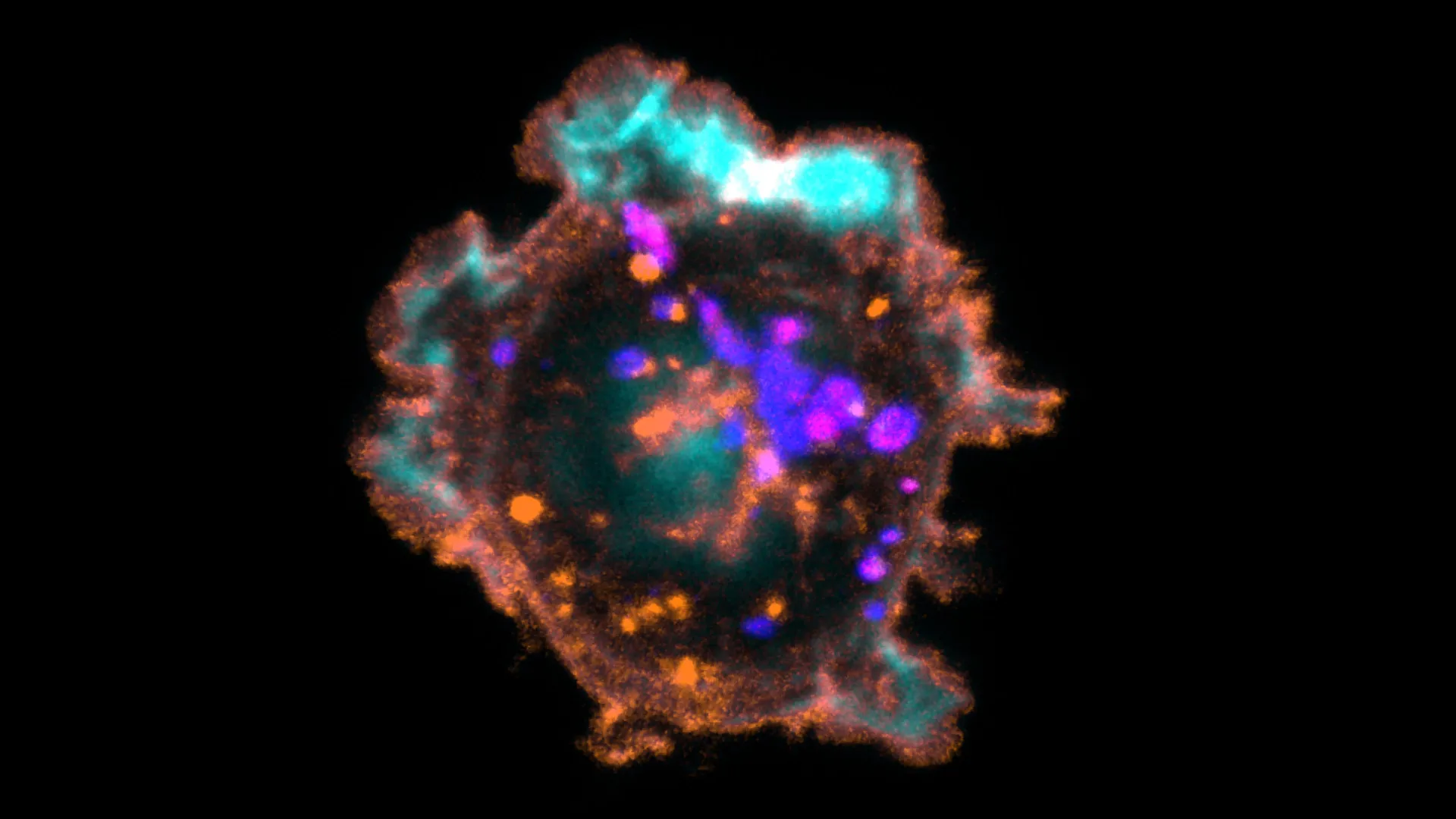
For decades, the medical community operated under a singular, entrenched hypothesis regarding mevalonate kinase deficiency (MKD), a rare and often debilitating genetic disorder. This long-standing paradigm posited that macrophages—the body’s frontline immune cells—were the primary culprits behind the severe, life-threatening inflammatory episodes characteristic of the disease. However, a groundbreaking study conducted by researchers at the Garvan Institute of Medical Research, published in the journal Immunity, has dismantled this three-decade-old consensus. By identifying a previously overlooked dysfunction in natural killer (NK) cells, the research team has not only rewritten the biological roadmap of MKD but has also paved the way for a promising new therapeutic avenue using existing, repurposed medications.
The Clinical Landscape of MKD
Mevalonate kinase deficiency is a rare autoinflammatory disorder caused by mutations in the MVK gene, which encodes the enzyme mevalonate kinase. This enzyme is a critical component of the mevalonate pathway, a metabolic route responsible for the synthesis of cholesterol and various isoprenoids. While the exact prevalence of MKD is difficult to quantify due to underdiagnosis, it is estimated to affect hundreds of individuals globally.
Patients living with MKD endure a lifelong struggle marked by recurrent episodes of high fever, painful skin rashes, lymphadenopathy, and severe abdominal distress. These inflammatory "flares" can be triggered by seemingly minor stressors, such as vaccinations, infections, or physical trauma. In the most severe cases, the unchecked systemic inflammation can lead to life-threatening complications, including secondary amyloidosis, which causes irreversible organ damage. For years, clinicians have struggled to manage these patients, as approximately 50% of those diagnosed do not achieve adequate control through current standard-of-care treatments, which primarily focus on inhibiting interleukin-1 (IL-1), a cytokine thought to be driven by macrophage activity.
A Chronology of Scientific Misunderstanding
The history of MKD research is a classic example of how a singular, early discovery can dictate the trajectory of an entire field of medicine.
- The 1990s and Early 2000s: Following the identification of the MVK gene as the cause of MKD, research efforts were heavily directed toward the metabolic pathways that control macrophage activity. Because macrophages are prominent producers of IL-1, they became the primary focus of investigation.
- The Treatment Gap: As treatments such as IL-1 inhibitors were introduced, clinical outcomes for many patients improved. However, the consistent failure of these drugs to help a large subset of the patient population served as a silent indicator that the "macrophage-only" theory was incomplete.
- The Present Discovery: Leveraging advanced blood sample analysis and preclinical models, the Garvan Institute team, led by Professor Mike Rogers and Dr. Marcia Munoz, shifted the focus away from the macrophage. By conducting a comparative analysis of immune cell function, the team discovered that natural killer cells—the immune system’s specialized "assassins"—were the true drivers of the pathology.
The Mechanics of Misfire: Unlocking the NK Cell Mystery
Natural killer cells are essential for the innate immune response, designed to identify and eliminate virally infected or cancerous cells. Under healthy conditions, NK cells utilize cytotoxic granules—"toxic ammunition"—to induce apoptosis in target cells. In patients with MKD, the Garvan study found that these cells are biologically incapable of releasing their payload.
"We found that these immune cells are essentially misfiring," explained Professor Mike Rogers. "NK cells are loaded with toxic ammunition, stored in granules that are released to kill infected cells. However, in MKD, these toxic granules cannot be released from the NK cells and remain trapped inside."
When the NK cell fails to execute its primary function of killing a target, the cell compensates through a maladaptive process: it essentially begins to "shout" for help. It releases excessive quantities of interferon-gamma, a potent inflammatory cytokine. This surge of interferon-gamma acts as a systemic alarm, activating a cascade of inflammatory responses throughout the body. This hyper-activation of the immune system is what triggers the characteristic fevers and widespread inflammation that define an MKD episode.
Repurposing JAK Inhibitors: A Clinical Pivot
The identification of interferon-gamma as the central mediator of MKD symptoms opened the door to a potentially life-changing intervention. If the disease is driven by the signaling pathways of this cytokine, then blocking those pathways should, in theory, arrest the inflammatory cascade.
The research team turned to JAK (Janus kinase) inhibitors, a class of medication already approved for conditions like rheumatoid arthritis and atopic dermatitis. JAK inhibitors work by intercepting the signals transmitted by cytokines, effectively preventing the inflammatory "message" from being processed by the immune system.
In a landmark clinical collaboration, the Garvan researchers worked with physicians at the Royal Children’s Hospital in Melbourne to administer baricitinib, a potent JAK inhibitor, to an infant suffering from severe, treatment-resistant MKD. The results were striking. By integrating baricitinib into the child’s existing regimen, the medical team observed a significant reduction in the frequency of inflammatory flares and a visible improvement in the healing of gastrointestinal tissues. While this represents a single case study, it provides the "proof-of-concept" necessary to justify large-scale clinical trials.
Broader Implications: The Era of Prenylopathies
The impact of the Garvan Institute’s discovery may extend well beyond the treatment of MKD. The metabolic pathway affected in MKD is involved in a group of genetic conditions now being termed "prenylopathies."
These disorders, which involve the same biochemical chain, may share the same underlying defect in natural killer cell maturation and function. If future research confirms that NK cell dysfunction is a common thread among these diseases, the diagnostic and treatment landscape for a whole family of rare disorders could be transformed. This would replace the current "diagnostic odyssey"—where patients wait years for a name for their symptoms—with more streamlined, targeted testing and faster access to therapies like JAK inhibitors.
Analysis of Future Directions
The shift from a macrophage-centric view to one that highlights the role of natural killer cells represents a fundamental maturation of the field. For researchers and clinicians, the immediate task is to standardize the use of JAK inhibitors in clinical settings. The success of this transition will depend on robust clinical trials that can determine the optimal dosage, safety profiles for pediatric populations, and the long-term effects of interferon-gamma modulation.
Furthermore, this discovery underscores the critical importance of revisiting "settled" science. In rare disease research, where funding and patient cohorts are limited, established dogmas can sometimes persist for decades, inadvertently stalling progress. By challenging the status quo, the team at the Garvan Institute has demonstrated that the most effective path to a new treatment is often found by looking at the components of the immune system that were previously assumed to be mere bystanders.
As the medical community digests these findings, the hope for patients suffering from MKD is tangible. For those who had previously exhausted all standard options, the prospect of an existing, accessible drug providing relief is a significant milestone. The study not only provides a scientific breakthrough but also serves as a poignant reminder of the power of curiosity-driven research to alter the trajectory of human health, turning once-mysterious, life-threatening symptoms into manageable, treatable conditions.