The cinematic fascination with Silicon Valley has evolved from niche industry commentary into a dominant pillar of modern Hollywood storytelling. As major studios and streaming platforms increasingly turn their cameras toward the boardrooms and bunkers of the tech elite, the lines between historical record and dramatic interpretation continue to blur. This trend, which previously captured the rise of social media in films like The Social Network, has recently pivoted toward the more volatile arenas of artificial intelligence, cryptocurrency, and bio-tech disruption.
A New Wave of Tech-Centric Cinema
The industry’s appetite for tech-scandal narratives is reaching a fever pitch. The recent commercial success of You Can See Everything, a documentary detailing the fraudulent rise and collapse of Elizabeth Holmes’ Theranos, signaled to studios that audiences are hungry for the "behind-the-curtain" look at industry titans. Following this, the upcoming release of Netflix’s limited series The Altruists—which dissects the chaotic downfall of Sam Bankman-Fried and the FTX crypto exchange—further cements the genre as a cornerstone of prestige television.
However, no figure currently looms as large over the global imagination as OpenAI founder and CEO Sam Altman. His tenure at the center of the generative AI revolution has been marked by unparalleled influence and, periodically, intense internal strife. This December, the biographical comedy-drama Artificial will arrive in theaters, featuring Andrew Garfield as Altman. The film focuses on the meteoric rise of OpenAI and the harrowing internal power struggle that saw Altman briefly ousted by his own board of directors in late 2023.
Chronology of the OpenAI Governance Crisis
To understand the gravity of the film’s central conflict, one must revisit the whirlwind events of November 2023. The internal instability at OpenAI serves as the narrative anchor for Artificial, reflecting a moment where the future of the world’s most significant AI research organization hung in the balance.
- November 17, 2023: The OpenAI board of directors abruptly terminates Sam Altman’s employment, citing a lack of "candid communication."
- November 18–19, 2023: A massive internal and external backlash ensues. Major investors, including Microsoft, express intense frustration. Employees begin a mass walkout, threatening to resign unless the board reinstates Altman.
- November 20, 2023: Emmett Shear is appointed interim CEO, but the pressure to reverse the decision becomes insurmountable.
- November 22, 2023: OpenAI announces an "agreement in principle" for Altman’s return to the CEO role, accompanied by a reconstituted board of directors.
This five-day period of corporate vertigo resulted in a fundamental shift in how the company approaches governance, moving from a non-profit structure with broad oversight to a model that critics argue prioritizes commercial acceleration over safety.
The Actor’s Perspective: Garfield and the Tech Persona
Andrew Garfield, who earned critical acclaim for his portrayal of Eduardo Saverin in the 2010 film The Social Network, brings a unique perspective to the role of Altman. While the actor has stated he has never met the CEO, his preparation for the role involved deep study of the ethical paradoxes inherent in AI leadership.
In a recent interview with Esquire, Garfield remarked on the psychological toll of such leadership, suggesting that individuals tasked with deploying technology that could fundamentally alter the "soul of humanity" must possess a profound capacity for dissociation. This sentiment echoes the concerns of many ethicists who argue that the race for AGI (Artificial General General Intelligence) is moving faster than society’s ability to implement guardrails.
Comparing the Portrayals: Zuckerberg vs. Altman
The discourse surrounding Artificial has inevitably drawn comparisons to David Fincher’s The Social Network. Mark Zuckerberg, the subject of that film, famously organized a company outing for his employees to watch the movie upon its release, despite the film’s unflattering depiction of his personality and motivations. Zuckerberg noted that while the production design—such as his wardrobe and office layout—was eerily accurate, the narrative framing of his motivations was largely fictionalized.
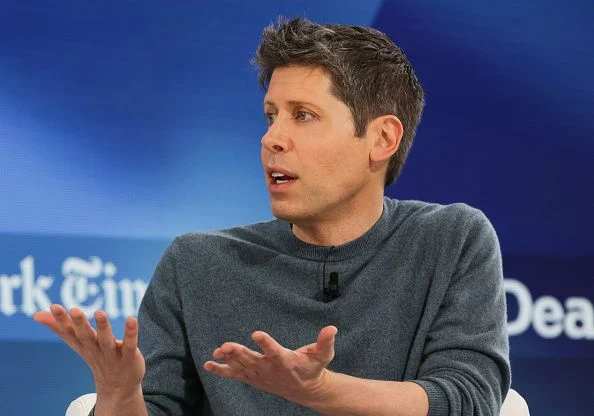
Zuckerberg’s ownership of the actual prop T-shirt worn by Jesse Eisenberg in the film serves as a testament to his "roll with the punches" approach to public image. By contrast, Sam Altman has taken a more philosophical approach to his looming cinematic depiction. During the New York Times DealBook Summit, Altman expressed a sense of detachment regarding the film, noting that while he never expected his life to be the subject of a biopic, it now ranks low on the list of "weird things" happening in his day-to-day existence.
Data and Implications: The Cost of Influence
The decision to bring these stories to the silver screen is not merely for entertainment; it reflects the massive financial and social stakes of the AI sector. OpenAI currently commands a valuation that places it among the most significant private entities in history, and its influence on global labor markets, education, and security is unprecedented.
According to recent economic projections, the AI industry is expected to contribute trillions of dollars to the global economy by 2030. However, this growth comes with significant regulatory challenges. The internal conflict that led to Altman’s firing—specifically the tension between "effective altruism" and aggressive commercialization—is not just an OpenAI issue; it is a microcosm of the global debate over AI safety.
Fact-Based Analysis: Beyond the Narrative
While Artificial promises to be a compelling piece of cinema, critics and analysts caution that the film, like its predecessors, will inevitably simplify complex technical and legal realities. The portrayal of a "hero-founder" vs. "disgruntled board" is a common trope in Hollywood, yet the reality of OpenAI’s structure involves layers of tax law, non-profit governance, and multi-billion dollar investment contracts with entities like Microsoft.
The impact of these films on public perception cannot be overstated. By centering the story on the CEO as an individual, Hollywood often ignores the thousands of researchers, data annotators, and policy experts who form the backbone of these companies. The narrative focus on "the man behind the machine" can obscure the collective nature of scientific discovery.
Furthermore, the public’s growing skepticism toward Silicon Valley is reflected in the commercial failure of recent sequels like The Social Reckoning, which attempted to revisit the Facebook origin story. Audiences appear to be moving away from the "inspirational founder" archetype and toward stories that address the systemic risks posed by unchecked technological growth.
The Road Ahead
As the release date for Artificial approaches, the technology sector remains in a state of hyper-speed development. Altman’s acknowledgment that his life is defined by the "crazy situation" of holding such significant responsibility underscores a reality that no film can fully capture: the world is currently a laboratory, and the researchers are still adjusting the dials.
Whether Artificial succeeds at the box office or joins the ranks of failed industry sequels, the film serves as a milestone in the cultural history of the 21st century. It marks the moment when the creators of artificial intelligence officially became the subjects of our modern myths—a testament to just how far the industry has moved from the garage-based startup culture of the past into the corridors of global power. For Sam Altman and his peers, the film is likely just another data point in an era defined by rapid, often overwhelming, change.